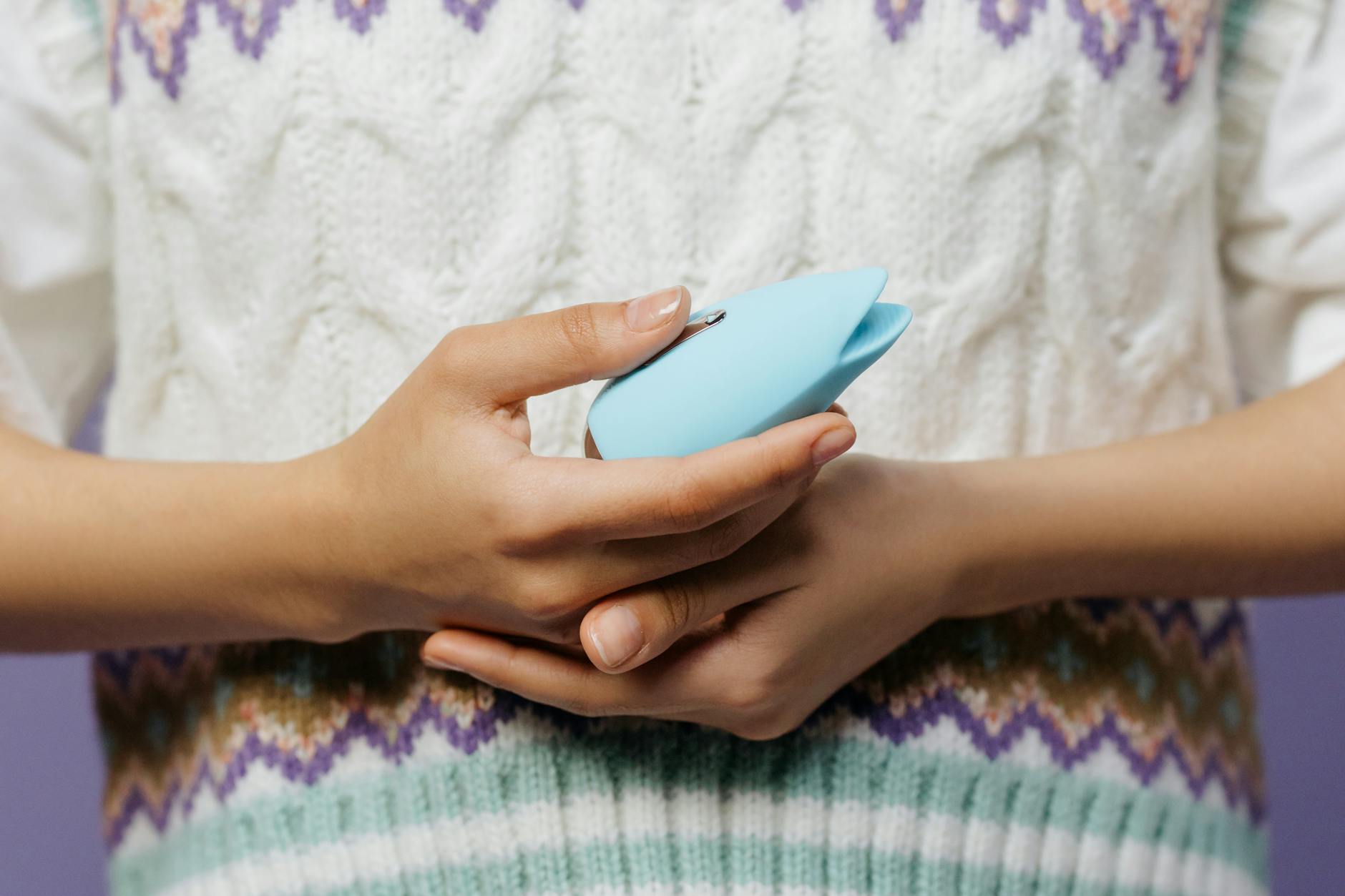
How to Use a Lemon Clitoral Vibrator When Sensation Feels Duller After Childbirth
Let's be real. Nobody warns you that after giving birth, your vulva might feel like it belongs to someone else. Numb. Distant. Like the nerve endings took a sabbatical and forgot to send a return date.
It's not in your head. And it's not permanent. But it's also not something most postpartum recovery guides actually talk about, which means thousands of people think they're alone in this, or worse, assume they'll never feel pleasure the same way again.
They will. And a lemon clitoral vibrator can be one of the most effective tools to help you get there.
What actually happens to sensation after birth
Your body just survived something enormous. The tissue of the vulva, the pelvic floor, and the nerves that feed into the clitoris all experienced significant trauma during delivery. Even if you had an uncomplicated vaginal birth, or a cesarean, the hormonal and physical shifts are radical.
Three main things happen that dull sensation:
Nerve trauma and inflammation. The pudendal nerve, which supplies sensation to the clitoris, can be stretched or irritated during labor. This isn't damage that needs surgery. It's inflammation. Inflammation numbs sensation the same way swelling in your ankle makes it hard to feel texture under your foot.
Hormonal drop. Estrogen and progesterone plummet after birth. Estrogen is partly responsible for nerve sensitivity and blood flow to the genitals. Without it, sensation dampens. This is temporary, but it takes weeks or months to stabilize, depending on whether you're breastfeeding (which extends the low-estrogen window).
Pelvic floor holding. After birth, your pelvic floor muscles are often locked in a mild state of tension, especially if you had a tear or episiotomy. Tension = reduced sensitivity. Your nervous system is protecting an area it perceives as injured.
The timeline varies wildly. Some people regain baseline sensation by 6 weeks postpartum. Others don't feel anything close to normal until 6 months or longer. Both are within normal range.
Why numbness feels so emotionally loaded
Pleasure isn't just physical. It's also a marker of your body being yours again, of reclaiming sexuality after it was redirected entirely toward feeding and care. When sensation doesn't return on the timeline you expected, it can feel like a loss.
Add to that the practical reality: you're likely sleep-deprived, your body is still healing, and intimacy feels impossible or unwanted most days. The numbness can start to feel like it's permanent, even when it's actually just a healing process.
Here's the part that shifts perspective: numbness doesn't mean broken. It means your nervous system is recalibrating. And recalibration can be actively supported.
How a lemon clitoral vibrator helps restore sensation
The reason a lemon clitoral vibrator is particularly useful for postpartum numbness comes down to how it stimulates the clitoris.
Unlike traditional vibration, which uses rapid back-and-forth or up-and-down movement, a lemon sucker uses gentle air-pulse technology. It creates micro-suction that stimulates the nerve endings of the clitoris without the heavy mechanical pressure that can feel overwhelming on already-sensitive tissue.
When sensation is dulled, the clitoris needs stimulation, but it also needs gentleness. A lemon clitoral vibrator sits in that exact middle ground.
Why this matters during recovery: First, the suction creates a focused stimulus that wakes up nerve endings without triggering protective tension in your pelvic floor. Your body doesn't brace against it the way it might against a wand vibrator. Second, you can control the intensity finely. Starting at the lowest setting on a lemon vibrator allows you to gradually expose your nervous system to stimulation, letting it recalibrate at its own pace.
Third, and this is subtle but important: the sensation of suction is different from vibration. Different sensory input can sometimes bypass numbness in ways identical stimulation can't. It's like trying a new route when your usual one is blocked.
The practical step-by-step for early postpartum
If you're cleared for sexual activity (usually 4-6 weeks postpartum, but always confirm with your provider), here's how to reintroduce sensation safely.
Start solo. Your nervous system will recalibrate faster when you're not simultaneously managing a partner's presence or expectations. Pressure off.
Pick a time when you're not touched-out. If you're breastfeeding on demand, this might mean right after your partner takes the baby, or during a nap window. You need to feel like your body is genuinely yours, not an extension of someone else's needs.
Use lots of lubrication. Even if postpartum tissue doesn't feel dry, add water-based lube anyway. It reduces any friction that might create discomfort and also creates a buffer between the toy and healing tissue. Think of it as a reset button for the nervous system.
Start at setting 1 on the lemon vibrator. Seriously. This is not the time to push. The goal isn't orgasm. The goal is sensation. Notice what you feel. Notice if the numbness shifts at all.
Give it 10-15 minutes max. You're retraining your nervous system, not proving anything. Short sessions, consistently repeated, rewire faster than marathon sessions.
Track what happens. Does the numbness feel slightly less thick? Does it return to baseline after a day or two? Does sensation slowly accumulate? This data helps you understand your unique recovery pattern.
Moving into partnered exploration
Once you've spent a week or two reintroducing sensation solo, partnered exploration can happen. But here's the catch: your partner needs to understand what's actually going on.
Postpartum numbness is not rejection. It's not a signal that you're not attracted to them or that your body has stopped working. It's a literal nerve recalibration. The best thing a partner can do is shift from trying to "fix" it to exploring it together.
Using a lemon clitoral vibrator with your partner can actually be really intimate. You can guide them on pressure, intensity, and timing. You can say, "I want to try this alone first, then show you what works." You're in control of the reintroduction of pleasure, which paradoxically often makes pleasure feel safer and more available sooner.
One note: if penetrative sex feels off-limits until sensation returns, that's completely fine. Clitoral focus actually accelerates the rewiring process because you're not dividing attention or adding pressure to already-tender tissue.
Timeline expectations and when to get support
Most postpartum numbness resolves within 3-6 months. Some people notice dramatic improvement by 12 weeks. Others need longer.
If sensation hasn't shifted at all by 4 months postpartum, or if numbness worsens, talk to your OB or a pelvic floor physical therapist. Rarely, postpartum numbness can be related to a nerve injury that needs specific intervention. But most often, a pelvic floor PT can assess muscle tension, recommend targeted exercises, and sometimes prescribe topical treatments that accelerate recovery.
One more thing: if you're breastfeeding and sensation is glacially slow to return, remember that hormones play a huge role. Weaning, or even reducing breastfeeding frequency, can shift hormonal balance and unlock sensation faster. This is worth discussing with a provider, especially if you're also experiencing postpartum depression or anxiety (which often co-occur with prolonged hormonal shifts).
The bigger picture: pleasure is part of recovery
There's this unspoken assumption that postpartum recovery is purely physical: stop bleeding, close the incision, regain strength. But recovery also includes reclaiming your sexuality and your body as a source of pleasure, not just function.
Using a lemon clitoral vibrator during postpartum recovery isn't indulgent. It's a form of nervous system recalibration. It's you actively choosing to feel good again, on your timeline, with the right tools.
Sensation will return. It might feel different than before. For many people, it actually comes back richer, more focused, easier to access. You've given your body something extraordinary. The pleasure you experience on the other side of that recovery is worth the wait.

Photo by cottonbro studio on Pexels
People also ask
How long after birth can I use a clitoral vibrator?
Most providers give the all-clear for sexual activity (including masturbation) around 4-6 weeks postpartum, assuming your bleeding has stopped and any tears or incisions have sealed. But "cleared" and "ready" are different things. If you're bleeding heavily, in pain, or feeling emotionally resistant, wait. Your body will let you know when it's actually ready. When you do start, use a lemon clitoral vibrator on the gentlest setting first. Your tissue is still healing, and pressure matters.
Can using a lemon sucker help rebuild sensation faster?
Yes, with consistency. The stimulation from a lemon clitoral vibrator can help rewire numbed nerve pathways, but it works best when used regularly, gently, and combined with pelvic floor care (like PT or relaxation exercises if you have tension). Think of it as one tool in a toolkit, not a solo fix. Solo exploration followed by partnered use, combined with adequate rest and healing time, accelerates the process.
What if sensation doesn't return even after trying toys?
If numbness persists beyond 4-6 months postpartum, or if it's accompanied by pain, see a pelvic floor physical therapist or your OB. Sometimes postpartum pelvic floor dysfunction, scar tissue, or hormonal imbalances need specific treatment. A therapist can assess whether you have ongoing tension, recommend targeted exercises, or identify whether hormonal support (especially if breastfeeding) might help. You're not broken. You just might need professional guidance.
Is numbness worse if I had an episiotomy or tear?
Generally, yes. Any tissue damage to the vulva, perineum, or surrounding nerves can extend the timeline for sensation recovery. Third- and fourth-degree tears involve deeper nerve structures and typically have longer recovery windows. But recovery is still very possible, and with the right tools and support, numbness resolves. Give yourself more time and more gentleness if you had a significant tear.
Can hormones be part of the problem?
Absolutely. If you're breastfeeding, prolactin stays elevated and estrogen stays low, which directly dampens clitoral sensation. If you're combo-feeding or exclusively formula-feeding, hormones rebalance faster. If numbness feels extreme or isn't shifting by 12 weeks, talk to your doctor about whether hormonal testing or support makes sense. And if you're also struggling with mood, anxiety, or motivation, that hormonal picture matters too.
How does a lemon vibrator compare to other toys for postpartum use?
A lemon clitoral vibrator is gentler than a wand or bullet vibrator because suction distributes stimulation across the clitoral complex rather than applying direct vibrational pressure to a small point. For postpartum tissue that's healing and sensitive, this gentleness makes a difference. If you tried other toys before birth and found them too intense postpartum, a lemon sucker might feel more manageable. Start with the lowest setting and work up.
Moving forward
Postpartum numbness is one of those things nobody talks about until you experience it, then suddenly you realize half your friends dealt with it too. Your body didn't break. It's recalibrating after something profound.
With patience, the right tools, and permission to prioritize your own pleasure as part of recovery, sensation returns. And when it does, it's often sweeter than before.
If you have questions about navigating pleasure and intimacy during postpartum recovery, or if sensation isn't returning as expected, reach out to us. We're here to help.