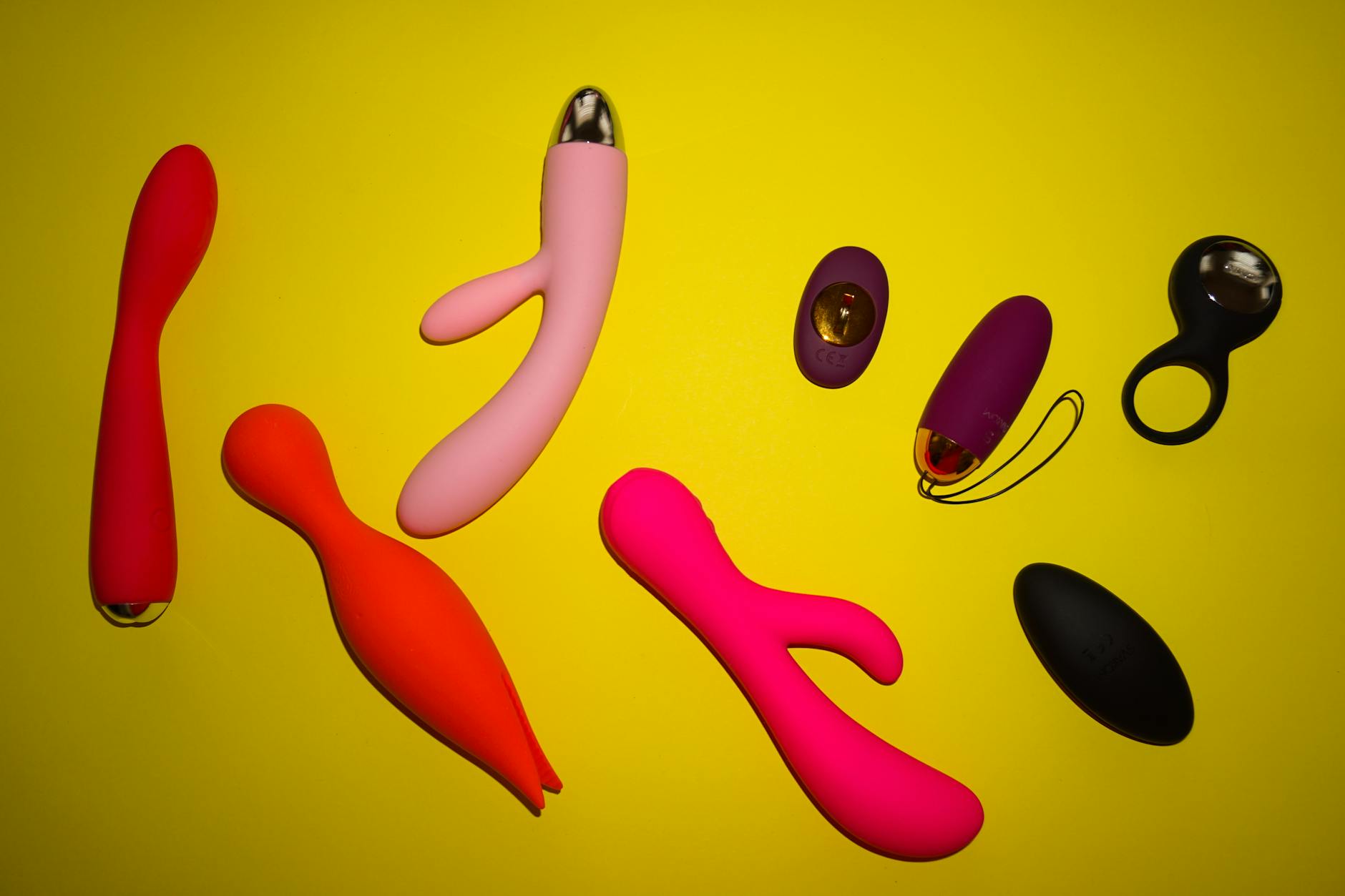
Let's talk about the side effect nobody mentions
Antidepressants save lives. They also, for roughly 40 to 60 percent of people taking them, flatten sexual sensation. You take the medication because you need it. Then your body stops responding the way it used to, and suddenly you're grieving something you didn't expect to lose. That feeling is completely legitimate.
The good news: this is not permanent, and it's not a character flaw. It's a measurable neurochemical effect. And there are specific ways to work with your body to rebuild sensation, including tools like lemon clitoral vibrators that work with your nervous system instead of against it.
Why antidepressants numb sensation in the first place
SSRIs, SNRIs, and tricyclic antidepressants work by raising serotonin levels in your brain. That's what lifts mood and eases anxiety. But serotonin also plays a role in sexual arousal and orgasm intensity. When medication floods your system with extra serotonin, the brain adapts by downregulating receptors. Your nervous system becomes less responsive to stimulation across the board, including sexual stimulation.
This isn't happening because you're broken or because the medication is punishing you. It's a side effect of how the drug works. Which means if you're experiencing it, you're in excellent company. Your doctor has probably heard this concern dozens of times from people you'd never guess experience it.
The timing question nobody gets right
Most people wait too long to address sexual side effects, thinking they'll adapt or pass on their own. They usually don't. After about three months on a medication, your body has adjusted to the new neurochemistry. Waiting longer just means more months of numbness.
The sweet spot for intervention is between 6 and 12 weeks in. By then you know the medication is actually working for your mental health. And you still have neuroplasticity on your side. Your nervous system is more responsive to new stimuli patterns early on than it is after years of numbness.
If you're already past that window, don't panic. Rebuilding sensation takes longer but it's still possible. I've seen people regain responsiveness even after years on antidepressants by using targeted tools consistently.
Why lemon vibrators specifically help more than other toys
Traditional wands and bullet vibrators rely on pure vibration intensity to cut through numbness. If you're already numb, you crank the intensity, which can lead to a painful cycle of desensitization and frustration.
Lem vibrators and other lemon clitoral vibrators work through suction and gentle pulsing. Suction stimulates nerves through a different mechanism than vibration alone. It mimics the sensation of oral sex, which activates nerve pathways that antidepressants haven't completely flattened. For people experiencing medication-related numbness, this distinction matters significantly.
Lemon adult toys with this suction design also let you control intensity much more gradually. You're not choosing between barely-there and overwhelming. You can spend weeks at pattern 1 or 2, allowing your nervous system to remember sensitivity in real time.
How to actually start using a lemon sexual toy when you're numb
Three mistakes people make when reintroducing sensation:
First, they jump straight to solo play expecting fireworks. That's not the goal right now. The goal is rebuilding nerve responsiveness. Expect it to feel like anything from pleasant pressure to mildly nice. That's success.
Second, they use it reactively. "When I'm aroused, I'll try my lem vibrator." But if you're numb, you might never feel aroused. You need to create arousal through the toy, not wait for it to appear first. That's backward from what many people are used to, but it's exactly how you rewire your nervous system.
Third, they skip the warm-up. Spend 15 to 20 minutes with gentle touching, breathing, maybe a partner's hands or your own. Lower your cortisol first. Your body can't rebuild sensation while it's in a stress response.
Here's the actual protocol: Start with your lem vibrator on the lowest setting, 2 to 3 times per week. Spend 15 minutes just letting it run. No pressure to orgasm. No grading yourself on arousal. Just sensation. After two weeks, if it feels completely neutral, move to the next setting. If it's starting to feel like something, stay there another week. This is slow. It's also the only speed that actually works.
The partner conversation you need to have
If you're partnered, this is not something to handle alone, and it's definitely not something to blame your partner for. Many people with partners who are taking antidepressants assume the numbness is about them. It's not.
Bring your partner into the process early. You might say: "My medication is flattening sensation right now. I'm working on rebuilding that with some targeted tools. This isn't about us. I actually want to show you what I'm learning." That shifts the frame from "I can't feel anything with you" to "We're troubleshooting this together."
If your partner is interested, they can be part of your sessions with your lemon vibrator. Not always. But sometimes. That inclusion often helps partners stop personalizing the numbness and start understanding it as a medical side effect they can actually help with.
When to talk to your doctor about medication changes
Let's be clear: I'm not suggesting you stop your antidepressant. The medication is likely helping you in ways that matter more than sex right now, and stopping it without guidance is genuinely dangerous.
But there are real options worth discussing with your prescriber. Timing your doses differently sometimes helps. Taking a brief drug holiday under supervision is sometimes viable. Switching to a different medication class can reduce sexual side effects for some people. Your doctor has tools you don't know about because nobody talks about this openly.
The conversation looks like: "I'm experiencing sexual numbness on this medication. It's affecting my quality of life. What options do we have?" Many doctors will actually respect that directness. If yours dismisses it or minimizes it, consider getting a second opinion from a sex-competent therapist or a physician who specializes in sexual health.
What patience actually looks like in practice
Rebuild sensation over months, not weeks. Some people regain significant responsiveness in 4 to 6 weeks of consistent practice. Others take 3 to 4 months. There's no universal timeline. Your nervous system is doing the work at its own pace, and that pace is not something you can force through willpower.
Track what you notice without judgment. "Pattern 1 felt like pressure today" is progress. "I had a mild sensation in my left side" is progress. You're not looking for orgasm yet. You're collecting data on what your body is starting to feel.
Don't compare your journey to anyone else's. Someone else on the same medication might regain full sensation in six weeks. You might take six months. That doesn't mean something is wrong with you. Bodies are different. Nervous systems are different. Medication responses are different.
The emotional piece matters as much as the physical one
Antidepressant-related numbness often comes paired with grief. You've gained mental stability and lost something you valued. That's a real loss, and pretending it isn't just deepens the hurt.
Give yourself permission to feel angry or sad about this while also doing the practical work to rebuild sensation. Both things are true at once. You can be grateful your medication works and also frustrated about the side effect. You can be doing everything right and still progress slowly. Holding both feelings at the same time is part of the healing.
FAQ: Your actual questions answered
How long does it usually take for sensation to come back on antidepressants?
It depends on the medication, how long you've been on it, and your individual neurology. Most people start noticing changes between 4 to 8 weeks of consistent practice with targeted tools. Full restoration can take 3 to 6 months. Some people regain sensation earlier, some take longer. The timeline isn't linear. You might feel more responsive one week and less the next. That's normal.
Can I use a lemon vibrator if I'm having trouble with orgasm specifically?
Yes, but reframe your goal first. Don't use it to chase an orgasm that might not come. Use it to rebuild sensation. Orgasms will follow once your nervous system remembers what stimulation feels like. Trying to force an orgasm usually backfires because it adds pressure and cortisol to the equation.
Is it safe to use a lemon clitoral vibrator while on SSRIs?
Completely safe. There are no drug interactions between antidepressants and external vibrators. The only safety rule is the same as for anyone else: use water-based lubricant if you need it, clean your toy before and after, and listen to your body if anything causes pain.
Should I tell my doctor I'm using a vibrator to help with medication side effects?
You don't have to if you're not comfortable. But many doctors are genuinely supportive of this approach because it's evidence-based and non-invasive. If your doctor shames you, that's a them problem, not a you problem. A good provider will appreciate that you're being proactive about rebuilding sexual health.
What if I'm not experiencing any sensation change after 8 weeks of using a lemon sexual toy?
That's a conversation to have with your prescriber. You might need a medication adjustment, a different tool, or you might benefit from working with a sex therapist who understands both antidepressants and sexual function. Lack of progress after consistent effort is worth investigating, not accepting as permanent.
Can I use a lem vibrator with a partner if I'm numb from antidepressants?
Absolutely. Partner involvement can actually speed up your nervous system's reawakening because it adds emotional safety and novelty. Just communicate clearly about what you're working on and what you need from them during the process. This isn't about performance for either of you right now.
The real bottom line
Antidepressant-related sexual numbness is not a sign that you're damaged or that your body is broken. It's a side effect of medication that's helping you in other crucial ways. Rebuilding sensation is possible, it takes time and consistency, and tools like lemon vibrators can help your nervous system rewire more effectively than fighting through it alone.
You deserve both mental health and sexual pleasure. Those two things aren't in competition. If you're struggling to access both right now, reach out to a provider who understands the intersection. And be patient with your body as it remembers how to feel.
If you want to talk through what you're experiencing or need guidance specific to your situation, consider reaching out to discuss a personalized approach at Hello Nancy. We're here to help.