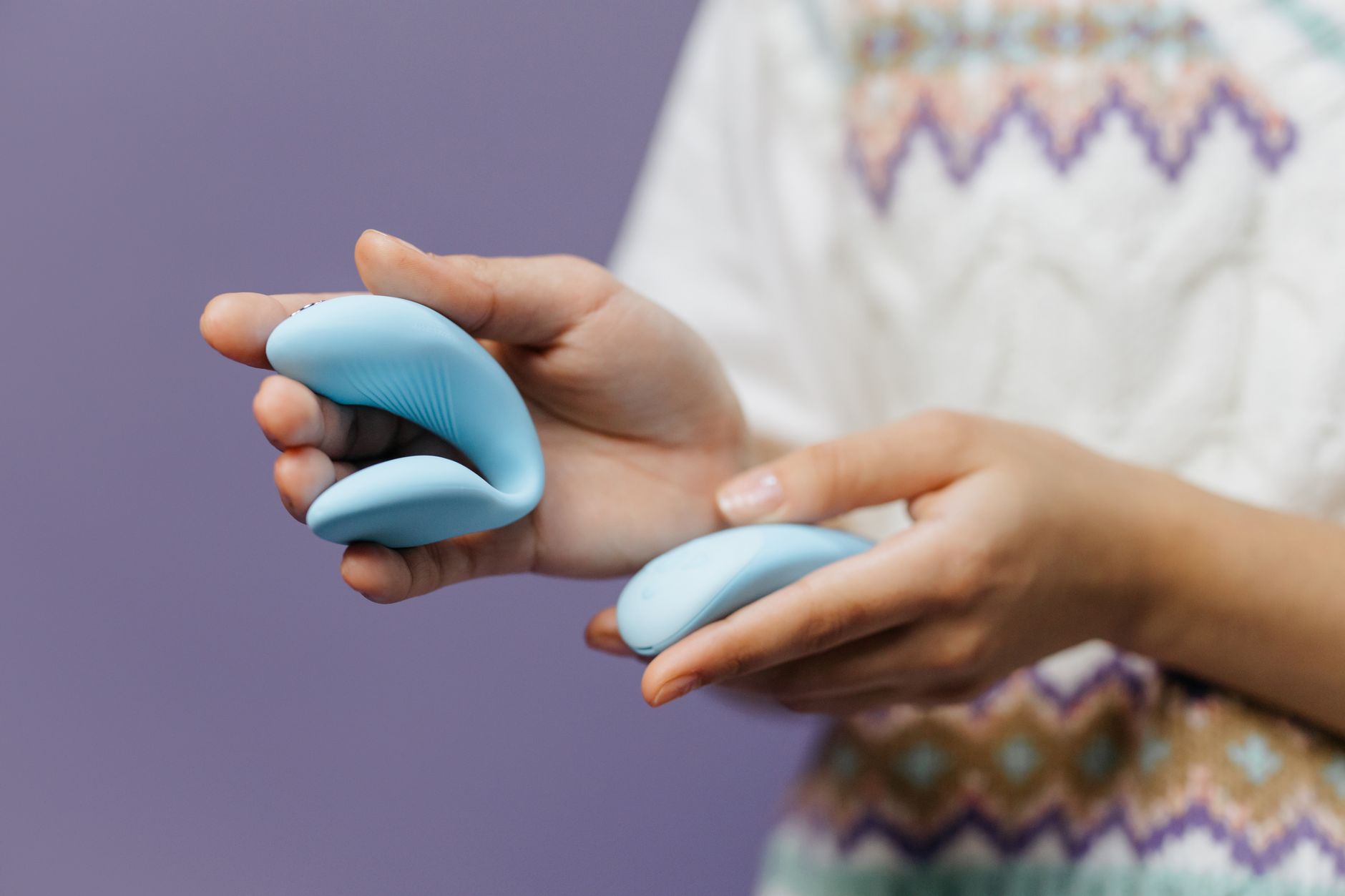
Here's what nobody tells you about aging and pleasure
Your clitoris doesn't retire. But the way it responds to touch does shift. Around 40, and especially after 50, many women notice that sensation feels different, flatter, or requires more time to build. Some feel almost numb where they used to feel everything.
That's not a personal failure. It's physiology. Nerve sensitivity, blood flow, and tissue thickness all change with hormones, years, and life events. The good news? These changes are addressable. A lemon clitoral vibrator, specifically the air-suction design of Helo Nancy Lems' Lem vibrator, restores sensation in ways direct vibration often can't.
Why clitoral sensation changes as you get older
Let's start with what's actually happening under the skin. The clitoris has roughly 8,000 nerve endings, but how awake those nerves are depends on several factors: estrogen levels, blood flow, pelvic floor tension, and what I call "sensory practice." When any of these slip, sensation can feel muted.
Estrogen is the biggest player. As it drops in perimenopause and menopause, tissue around the clitoris becomes thinner and less vascular. Blood reaches those nerves more slowly. Arousal, which used to build quickly, now takes 15 to 25 minutes. That's not better or worse. It's just different.
The second reason is nerve density. Women in their 20s and 30s often have what feels like an automatic button. Your 40s and 50s? That button is still there. It just requires a different approach. Air-suction technology bypasses the common frustration: direct vibration can feel too intense on sensitive tissue, or weirdly, numbing if intensity isn't modulated.
What makes air-suction lemon vibrators different for aging bodies
Most vibrators use pure oscillation. The motor moves the silicone back and forth, stimulating through friction. For some people, that's perfect. For others, especially those with sensitive or aging tissue, it can feel one-note or even uncomfortable.
Air-suction works differently. It creates a gentle vacuum, then releases, then repeats. This rhythmic expansion and contraction stimulates nerves without the same direct mechanical pressure. Think of it like the difference between a constant hand massage and someone gently cupping and releasing your skin. Both can feel amazing. The second one often works better when tissue is delicate.
For women experiencing age-related changes in sensitivity, this matters enormously. A lemon sucker like the Lem combines this air-suction method with precision targeting on the clitoris. You get intensity without harshness. You feel sensation without having to override numbness with higher and higher vibration speeds.
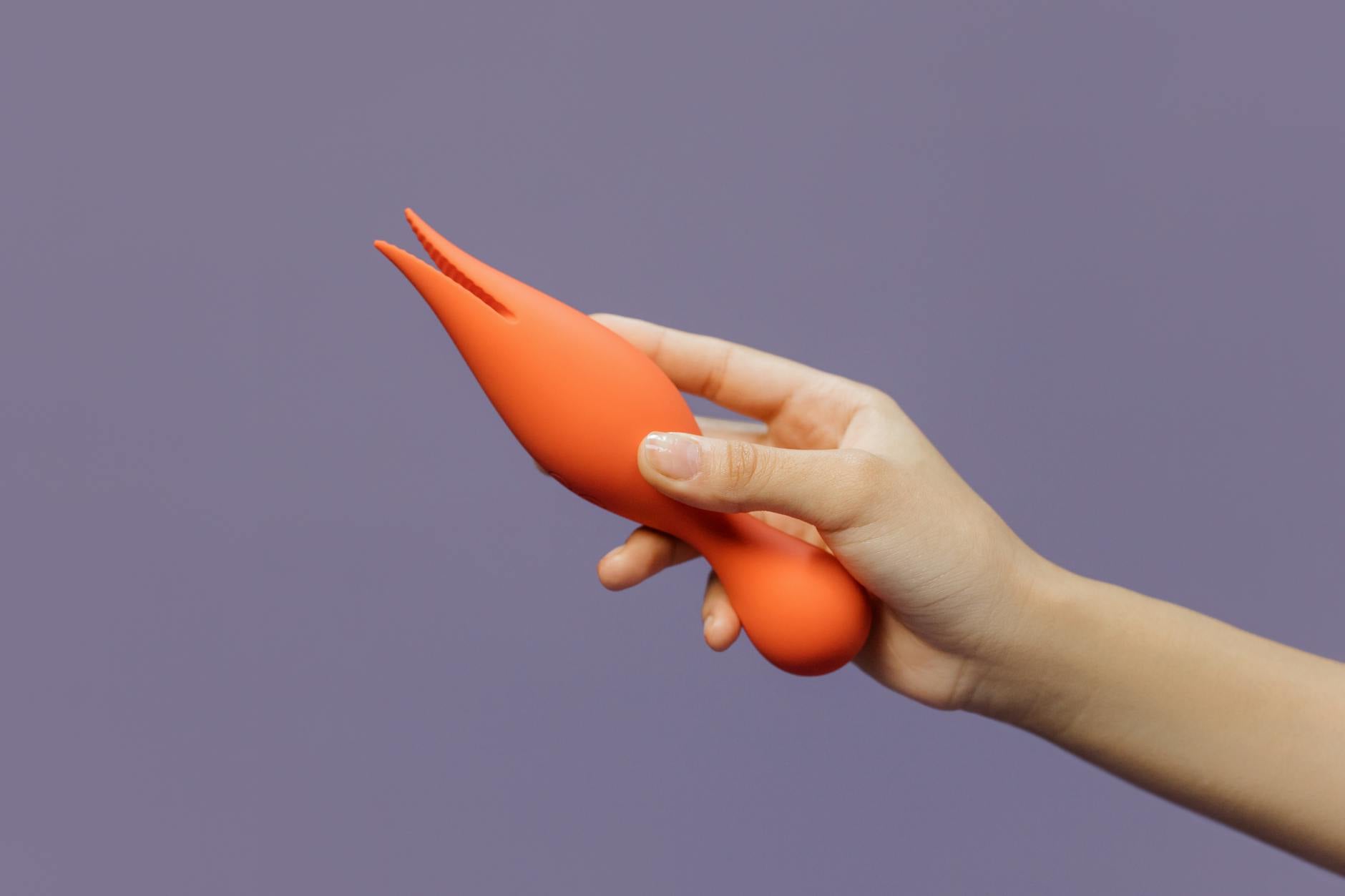
Photo by cottonbro studio on Pexels
How to start: the three-step approach
If you've never used a lemon clitoral vibrator, or if you've tried traditional vibrators and found them uncomfortable, here's how to build back sensation without frustration.
Step one: warmth and time. Unlike younger bodies, aging bodies benefit from an extended warm-up. Spend 10 to 15 minutes on your own or with your partner focusing on areas around the clitoris. Massage the outer labia, the pubic mound, the inner thighs. You're bringing blood to the area and allowing your nervous system to settle into arousal, not rush into it.
Step two: start low. The Lem has settings 1 through 3 at gentler intensities. Begin at setting 1. The air-suction sensation will feel strange if you've only used vibration before. Give yourself two to three sessions at this level before moving up. You're teaching your body to recognize this new type of stimulation as pleasurable.
Step three: find your rhythm. Once you're comfortable with the sensation, move the vibrator in small circles over the clitoris, or hold it still. Some women prefer gentle pressure with movement. Others prefer a light hold and letting the vibration do the work. There's no universal "right" way. What matters is that you're in control and the sensation feels good, not obligatory.
The solo-pleasure advantage as you age
Honestly, this is one of the places where your 40s and 50s have a real advantage over your 20s. Solo exploration isn't something you have to squeeze into a teenager's schedule or justify to a partner. You can spend 30 minutes learning your body's new preferences without pressure or self-consciousness.
When you use a lemon vibrator alone, you're not performing. You're not managing someone else's experience. You can pause, laugh, restart. You can try setting 2, think "that's weird," go back to setting 1. You can explore the full range of the device without the cognitive load of managing someone else's feelings.
Many clients tell me their most satisfying orgasms have happened in this solo-exploration phase, after they turned 50. Not because solo sex is inherently better, but because they finally had permission to spend time figuring out exactly what their aging body wanted. Then they could bring that knowledge to partnered sex.
If you're using a lemon vibrator with a partner
Using a clitoral vibrator with a partner adds a different layer. Some couples worry it means "he" or "she" isn't enough. That's one of the least useful worries to carry into a bedroom.
A lemon sexual toy is a tool, same as lube or a pillow under the hips. It's not replacing anyone. It's actually creating more sensation and pleasure for you, which often makes partnered sex feel better for both of you.
Here's how to integrate it: Talk about it first. Not in a heavy way. "I want to try something that might help me feel more sensation" is enough. During foreplay or penetration, use the Lem on your clitoris while your partner does whatever you enjoy. Many women find this combination intensifies orgasm significantly.
Start with your partner watching but not involved. Then, if it feels natural, have them hold the vibrator for you. This adds an intimacy layer and gives you the pleasure of being stimulated without having to manage the device. Some partners find that incredibly hot. Others prefer to keep it separate. Both are fine.
Managing the physical reality of aging tissue
If you've experienced vaginal dryness or discomfort alongside sensitivity changes, you're not alone. These are connected issues. Thinner tissue is more sensitive to friction and often drier.
Use a water-based lubricant every time. Not because you're broken. Because your body's natural response to aging is real and worth accommodating. A good lube lets the Lem glide smoothly and actually makes sensation more interesting, not less. It's an enhancement.
If you're experiencing pain, stop. This isn't a "push through it" situation. Pain during sex or masturbation often signals something treatable. A gynecologist trained in menopausal health can assess whether you'd benefit from topical estrogen, pelvic floor physical therapy, or both. These interventions work quickly and transform the experience.
Pelvic floor tension and why it matters more now
As you age, your pelvic floor naturally loses some tone. But here's the twist: some women develop too much tension, not too little. A chronically tight pelvic floor can actually reduce sensation and make it harder to orgasm. It also makes penetration uncomfortable.
Before and after using a lemon clitoral vibrator, spend a moment on pelvic floor awareness. Sit quietly and try to identify where your pelvic floor is. Now consciously relax it. Not Kegel exercises (squeezing). The opposite. Breathe and let those muscles soften.
Many women find that five minutes of pelvic floor relaxation before using a lemon sexual toy dramatically improves sensation. Your body's not fighting itself. Your nervous system can focus on pleasure instead of tension.
When to explore clitoral vibrators after major life changes
Sensitivity shifts aren't always about age alone. Significant stress, relationship changes, grief, or major health events can all temporarily dull sensation. Many women find that reconnecting with a tool like a lemon vibrator after a life transition gives them agency and pleasure back when they felt lost.
If you're rebuilding intimacy after divorce or starting over in a new relationship at 45 or 50, a clitoral vibrator becomes a bridge between your old sexual self and whoever you're becoming now. You're not trying to recapture your 30s. You're discovering what turns you on now. That's a different and often more interesting project.
FAQ: Clitoral sensitivity and lemon vibrators
Why does my clitoris feel numb even when I'm aroused? Numbing sensations usually stem from reduced blood flow, hormonal changes, or chronic pelvic floor tension. Air-suction vibrators like the Lem restore sensation by creating a different type of stimulation that often bypasses this numbness. If numbness persists even with a new device, talk to your doctor.
Can I use a lemon clitoral vibrator if I'm on hormone replacement therapy? Absolutely. HRT can actually improve sensation by restoring tissue thickness and blood flow. Combined with a clitoral vibrator, you may find even more responsiveness. The two support each other.
How often should I use a lemon vibrator to rebuild sensitivity? There's no magic number. Some women use it weekly. Others a few times a month. Consistency matters more than frequency. Regular use helps your nervous system relearn pleasure and keeps blood flow to the area healthy.
Is it normal for sensation to feel different on each side of the clitoris? Yes. Your clitoris isn't perfectly symmetrical, and nerve sensitivity can vary. One side might prefer firmer pressure, the other gentler. The Lem's targeted design lets you explore these differences easily.
What if my partner is bothered by me using a vibrator? That's a relationship conversation worth having. Your pleasure matters. If your partner sees the vibrator as a threat rather than a tool for your mutual benefit, that's information about the relationship dynamic worth exploring separately. A marriage and family therapist can help you both understand what's underneath that discomfort.
Can aging affect multiple areas of sensitivity, or just the clitoris? Aging affects the whole vulva. The clitoris is one piece. Vaginal tissue, the labia, the perineum, all shift. Many women discover they actually enjoy broader stimulation more after 40. The clitoral vibrator is part of a larger toolkit, not the whole story.
The pleasure payoff of time and intention
Here's the thing about getting older and exploring pleasure more deeply. You stop performing and start discovering. A lemon clitoral vibrator isn't a fix for aging. It's a translator. It helps your nervous system and your body speak to each other in a language that works now, not a decade ago.
Your clitoris is still there. Your capacity for pleasure is still there. The connection between your brain and your body is still there. Sometimes you just need a tool designed for how your body actually works now, not how it used to work. That's not settling. That's wisdom.
If you're curious about whether a lemon vibrator or another clitoral device might work for you, start with what feels genuinely interesting, not obligatory. Learn more about choosing the right vibrator for your sensitivity level, or explore how sensation returns after periods of numbness. Both journeys look different. Both are worth taking.