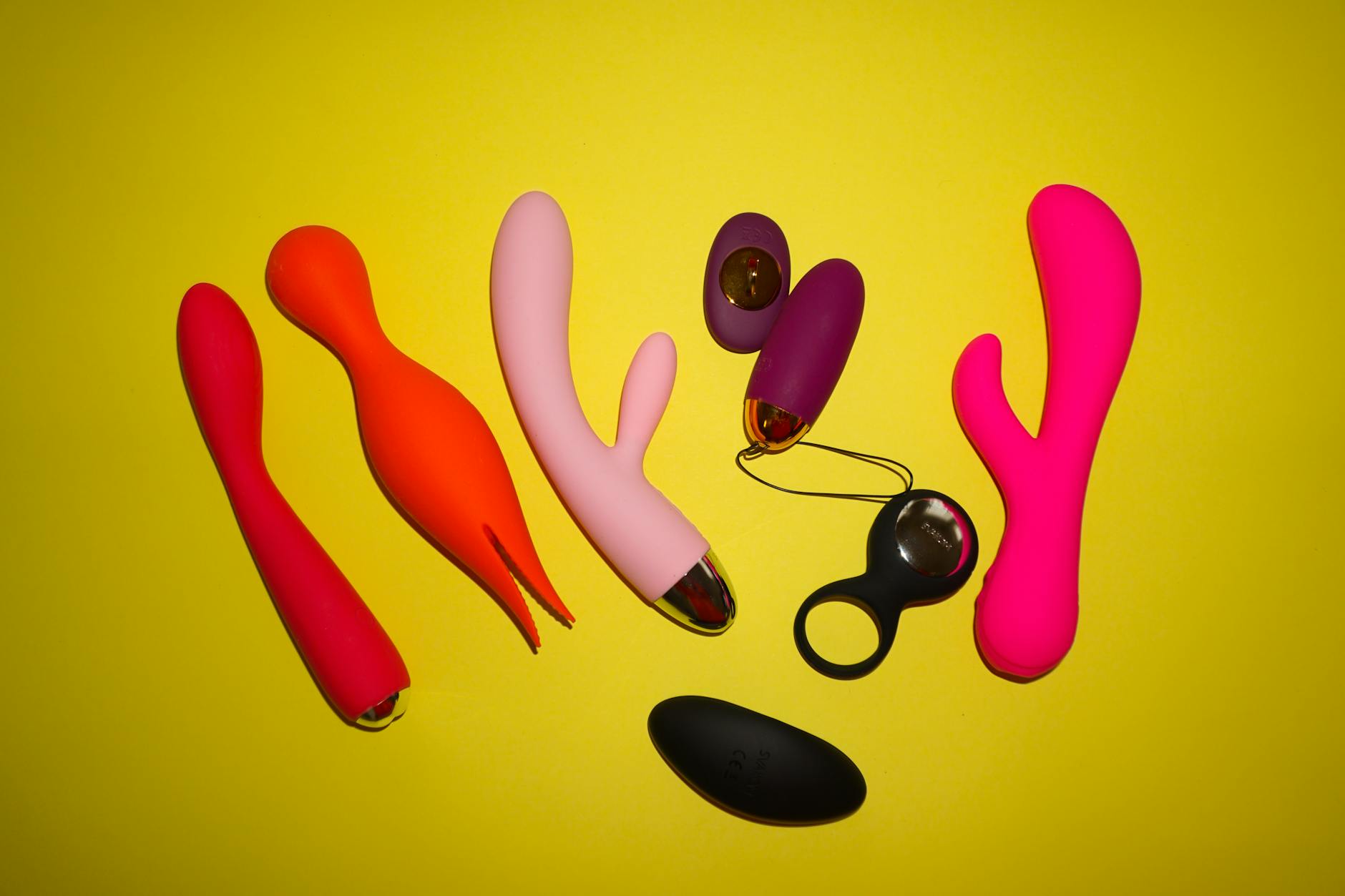
Here's the thing about low libido and pleasure
Low libido doesn't mean your body is broken. It means the desire to initiate sex has gone quiet, usually because of stress, medication, hormonal shifts, relationship friction, or just the sheer fatigue of keeping your life together. But here's what most people get wrong: low desire and low capacity for pleasure are not the same thing. You can have almost zero interest in sex and still experience intense, satisfying orgasms once arousal gets going. The problem is that getting arousal going feels impossible when libido is low.
That's where a lemon vibrator changes everything. Unlike partnered touch or traditional vibration, lemon clitoral vibrators work through suction and pulsation patterns that bypass the need for mental arousal and go straight to physical response. They're basically a shortcut to sensation when your brain and body aren't cooperating.
Why low libido makes orgasms harder to reach
When libido drops, a few things happen simultaneously. Your brain stops sending the chemical signals that prepare your body for arousal. Cortisol (the stress hormone) stays elevated, which actively suppresses dopamine and norepinephrine, the two neurotransmitters that drive desire. Meanwhile, blood flow to the clitoris decreases because your nervous system is in a more defensive state. Combine all that and reaching orgasm feels like pushing a boulder uphill.
The second problem is motivation. Even if you know on an intellectual level that an orgasm might feel good, the friction of having to work for it, the uncertainty about whether it'll even happen, and the pressure to perform often make solo pleasure feel like a chore instead of a relief.
That's why lemon vibrators work so well for this specific situation. They're designed to create reliable physical sensation without requiring you to build momentum mentally first.
How lemon suction vibrators bypass low-desire blocks
Lemon clitoral vibrators use air-pulse or suction technology combined with vibration patterns. Instead of direct buzzing stimulation, they create a rhythmic suction that draws blood to the clitoris and stimulates the thousands of nerve endings there. The effect is twofold: the physical sensation is strong enough to register even when your nervous system is in low-gear, and the suction pattern actually helps restore blood flow to tissue that's been underresponsive.
For people with low libido, this matters because you're not fighting to achieve arousal. You're simply receiving sensation that's designed to feel good regardless of your mental state. Many of my clients report that using a lemon vibrator actually helps reset their nervous system, making them feel more relaxed and present afterward, which can actually help rebuild desire over time.
The other advantage is speed. A quality lemon clitoral vibrator can deliver an orgasm in 5 to 15 minutes, depending on your sensitivity. When libido is low, the psychological win of "that worked and I'm done" is significant. It proves to your brain and body that pleasure is still accessible, which is often the first step in rebuilding interest.
Starting with the right settings when you're not in the mood
If you're using a lemon vibrator for the first time while dealing with low libido, start low and slow. Set it to the lowest pattern first. Pattern 1 on most lemon clitoral vibrators is designed to be gentle enough to use for extended periods without overwhelming sensation.
Plan for 10 to 20 minutes of exploration before expecting an orgasm. That timeline might seem long, but it's realistic. Your nervous system needs time to register that this is safe and pleasurable, and your body needs time to build blood flow. Rushing it turns the session into another task you're failing at, which reinforces the low-libido loop.
Many people also find it helpful to add a water-based lubricant, even if natural lubrication is present. This reduces any friction against sensitive tissue and makes the suction sensation feel smoother and more diffuse. A small amount goes a long way.
Second session onward, you can experiment with higher patterns and longer pulse sequences, but honestly, many people find that lower settings used for longer periods produce better orgasms than jumping straight to intensity. There's no medal for using the strongest setting.
Separating the orgasm goal from the pleasure goal
Here's where relationship dynamics often trip people up. If you have a partner and low libido, there's usually some tension around sexual expectations. Using a lemon vibrator can feel like a replacement for partnered sex, which can trigger guilt or create new conflict.
My advice: reframe it entirely. You're not replacing partnered sex. You're rebuilding a relationship with your own pleasure, which is completely separate from your relationship dynamic with your partner. These are two different conversations.
Using a lemon clitoral vibrator solo isn't a referendum on your partner or your relationship. It's physiological recalibration. The goal in these early sessions is not to have a partner-quality orgasm or to perform for anyone. The goal is to remind your body that sensation is possible, that orgasms are real for you, and that pleasure doesn't require forcing yourself through mental resistance.
Once you've had a few solo sessions where you actually felt something, that confidence often transfers back into partnered situations naturally. You've proven to yourself that you're not broken, which changes everything.
Timing and environment matter more than you think
When libido is low, context becomes crucial. The absolute worst time to use a lemon vibrator is when you're mentally somewhere else, rushing, or treating it as a obligation. Pick a time when you actually have 15 to 30 minutes of privacy and mental space. This might mean a weekend morning, a locked bathroom, or a specific evening when your partner is occupied.
Sound matters too. Many people find that putting on a playlist or ambient noise helps quiet the critical voice in their head. Even a rainy day sounds or lo-fi beat compilation can create psychological permission to just be present with physical sensation instead of monitoring how you're performing.
Temperature is underrated. A warm environment, maybe fresh from a shower, helps your nervous system stay receptive. When you're cold or tense, your body naturally contracts. When you're warm, it opens up. This is basic physiology but profoundly affects whether a lemon vibrator session actually works.
When to know you need additional support
If you're using a lemon clitoral vibrator regularly and still not reaching orgasm after 4 to 5 sessions, or if you're noticing that desire isn't improving at all, it might be worth checking in with a healthcare provider. Low libido sometimes signals medication side effects, thyroid issues, or other medical factors that respond to treatment. None of this is shameful. It's just useful information.
Equally, if low libido is connected to relationship disconnection or trauma, a lemon vibrator isn't a substitute for couples therapy or individual counseling. Tools help when the fundamental issues are physiological or behavioral. When the issue is relational, you need to address the relationship.
That said, many people find that rebuilding a solo pleasure practice with a tool like a lemon vibrator actually creates the emotional opening needed to address bigger relationship conversations. Once you're not in a state of shame or desperation around pleasure, you can talk more clearly about intimacy and desire with your partner.
FAQ
Can a lemon vibrator actually increase my libido over time?
Yes, in an indirect way. Using a lemon clitoral vibrator regularly can help restore neural pathways related to pleasure and rebuild dopamine associations with sex. Each orgasm you have teaches your brain that pleasure is possible for you, which gradually shifts the mental component of low libido. However, if your low libido is driven by relationship issues, stress, or medical factors, a toy alone won't fix the underlying cause. It's a tool for the physical piece, not a cure for everything.
How often should I use a lemon vibrator when trying to rebuild sensation?
Start with 2 to 3 times per week if possible. This gives your nervous system time to register consistent positive feedback without turning it into another obligation. Many people find that after 4 to 6 weeks of regular use, their baseline arousal actually improves and partnered sex becomes easier. Less frequent is fine if that's your reality. Consistency matters more than frequency.
What if I'm on antidepressants and have low libido? Will a lemon vibrator actually help?
Often yes, though the mechanism is different. Some medications reduce physical sensation directly, which a stronger lemon clitoral vibrator can help compensate for by delivering more concentrated stimulation. Others lower desire centrally. In that case, a lemon vibrator helps by removing the arousal-building requirement. You're not trying to feel turned on. You're just receiving sensation that's designed to be intense enough to work regardless. Talk to your prescriber if this is the situation. Sometimes a small dose adjustment helps, and sometimes adding a tool is the better solution.
Is using a lemon vibrator cheating on my partner?
No. Using a toy for solo pleasure is not infidelity or betrayal. It's a form of self-care and physiological maintenance. If your partner feels threatened by it, that's worth exploring together, possibly with a therapist. Many couples find that solo pleasure practices actually improve partnered intimacy because they reduce the pressure on both partners to be each other's only source of pleasure.
Can I use a lemon vibrator with my partner if my libido is low?
Absolutely. Some people find it easier to accept a lemon clitoral vibrator during partnered sex than to generate their own arousal. The vibrator does the work, and your partner can focus on closeness, kissing, or other forms of touch. This can actually reduce the pressure on you to perform and help you relax into sensation, which often helps with low libido over time.
What if I don't have an orgasm the first few times?
Don't panic. When libido is low, your nervous system needs time to trust that this is safe and pleasurable. Some people need 5 to 10 sessions before their first lemon vibrator orgasm. Others need to try different patterns or settings. The goal early on isn't orgasm. It's sensation. If you feel anything at all – a slight pulse, a warming, a tingling – that's success. Orgasm will follow once your body figures out that this is reliable.
You're not broken, your wiring just needs a reset
Low libido is one of the most common things I talk about with clients, and it's also one of the most fixable. The obstacle isn't your capacity for pleasure. It's usually some combination of stress, disconnection, medication, or just the accumulated friction of not having had reliable good sex in a while. A lemon vibrator can't fix stress or repair a struggling relationship, but it can absolutely help your nervous system remember that sensation is possible, that pleasure is still there for you, and that you're not broken. Sometimes that reminder is the exact reset button you need.
If you're curious about trying one, start simple. Pick a time when you have space and privacy. Set expectations low. And focus on sensation first, orgasm second. The rest will follow.
If you're still struggling with low libido after exploring tools and self-practice, talking through it with someone trained to help is worth your time. Reach out to us at Helo Nancy Lems. We're here for the harder questions too.