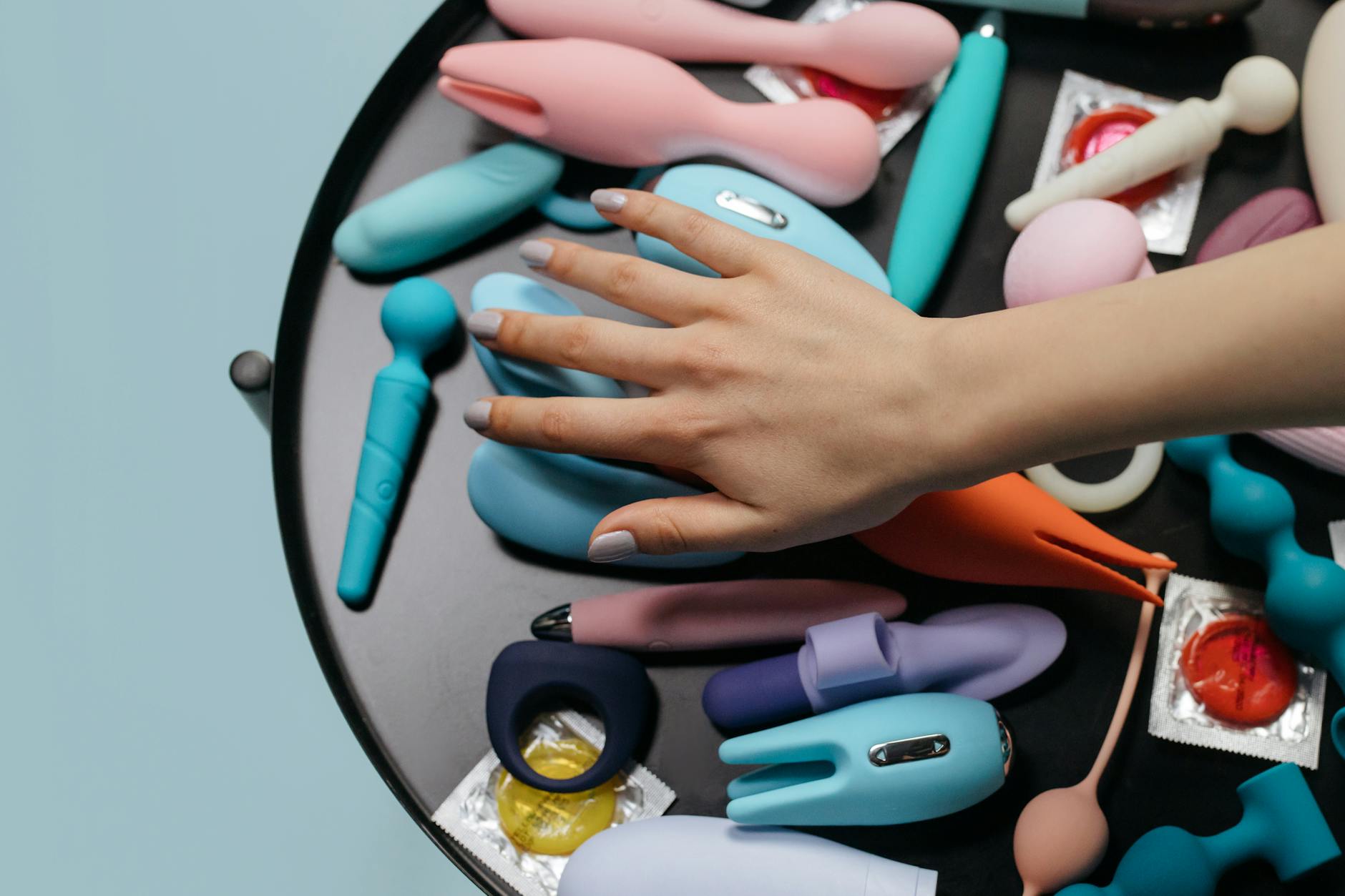
Let's name what happened
Infidelity doesn't just damage trust. It damages your relationship with your own body. After betrayal, sex becomes a minefield. Desire either vanishes entirely or shows up tangled with fear, anger, and a desperate need to prove something. Neither is a place where pleasure lives.
I work with couples rebuilding after infidelity almost weekly, and here's what I've learned. Physical reconnection doesn't happen by forcing yourselves back to bed and pretending nothing fractured. It happens when you rebuild trust in your own body first, then with your partner. A lemon clitoral vibrator becomes part of that conversation because it separates pleasure from performance, and right now, your nervous system needs that separation.
Why your body locked down after betrayal
After infidelity, the body doesn't trust. Sex becomes surveillance. You're monitoring your partner's reactions, judging your own responsiveness, treating pleasure like a test you might fail. Your nervous system is in high alert, which means arousal becomes nearly impossible because the brain's pleasure circuits literally shut down when you're in fight-or-flight mode.
Honestly, many partners (the one who was betrayed and sometimes the one who betrayed) report complete numbness during sex in the months following discovery. It's not about attraction. It's about the parasympathetic nervous system saying "we are not safe here."
This is where solo pleasure becomes radical. When you use a lemon vibrator alone, you're telling your body: this touch is just for me. No one is watching. No one is judging. No one's hurt depends on my arousal. That permission is enormous.
The bridge phase: solo reconnection
Before you bring a lemon vibrator into partnered sex, I recommend couples spend 2-4 weeks with solo exploration. This sounds counterintuitive when you're desperate to reconnect, but here's why it matters.
When you rebuild sensation alone, you're remapping your body without an audience. You're not trying to prove anything to anyone. You're simply noticing what feels good, what patterns work, what rhythm your body actually wants instead of what you think you should want. A lemon vibrator is particularly useful here because the suction sensation is distinct enough to cut through numbness and give your brain something novel to focus on.
Start on the lowest setting. Spend 15-20 minutes just exploring. Not with the goal of orgasm. With the goal of remembering what your body is capable of. Many people report that their first real sensation after infidelity comes during this phase, and it's often surprising where it lands on the body or what rhythm actually triggers response.

Photo by Anna Shvets on Pexels
What to tell your partner (and what not to)
Many people skip this step and try to hide their solo exploration. That usually backfires because it recreates the secrecy that made infidelity possible in the first place. Instead, name it directly.
Something like: "I'm going to spend some time rebuilding my own pleasure. Not because I don't want us to connect. Because I can't show up fully with you until my body trusts itself again. This is part of rebuilding." Most partners actually feel relieved because it takes pressure off them and it frames the lemon vibrator as a tool for the relationship, not a replacement.
If your partner struggles with that, that's information you need early. A good therapist (especially one trained in infidelity recovery) can help untangle whether that's jealousy, insecurity, or unresolved shame about their own actions.
When you're ready: introducing the lemon vibrator together
After 3-4 weeks of solo use, many couples introduce the toy into partnered sex. The shift from solo to couples is deliberate, not sudden.
Start with your partner present but not driving the experience. You're using the lemon vibrator on yourself while they're beside you, watching or helping with lubrication or just being there. This keeps you in control of your own pleasure, which is crucial for rebuilding trust in your body. You're not performing for them. You're inviting them into your process.
Many partners find this deeply healing. Watching your partner reconnect with their own pleasure, seeing them trust their body again, helps both people move past the fracture. It's not about the toy. It's about witnessing someone you hurt beginning to heal, and that witnessing is sometimes the most intimate act possible.
After a few sessions, some couples move to the lemon vibrator being part of partnered stimulation. Your partner might hold it while you guide the intensity. You might use it on yourself while they focus on other parts of your body. The key is you're not trying to recreate what sex was before. You're building something new that both of you have chosen.
The rhythm that works after betrayal
Timing matters here. I recommend couples wait until there's been significant emotional processing before integrating a lemon clitoral vibrator into partnered sex. And I mean genuine processing. Not sweeping it under a rug with makeup sex. Not pretending it didn't happen. Honest conversations about what happened, why, what you both need to move forward.
Sex too soon becomes a way to avoid the conversation instead of deepen it. Sex after the work gets done becomes a real expression of reconnection instead of a desperate grab at what was lost.
When you do return to partnered sex with the toy, start slow. Longer foreplay than feels necessary. More lubrication than before. Gentler touches. Your nervous system is still recovering, and rushing will just trigger the fight-or-flight response again.
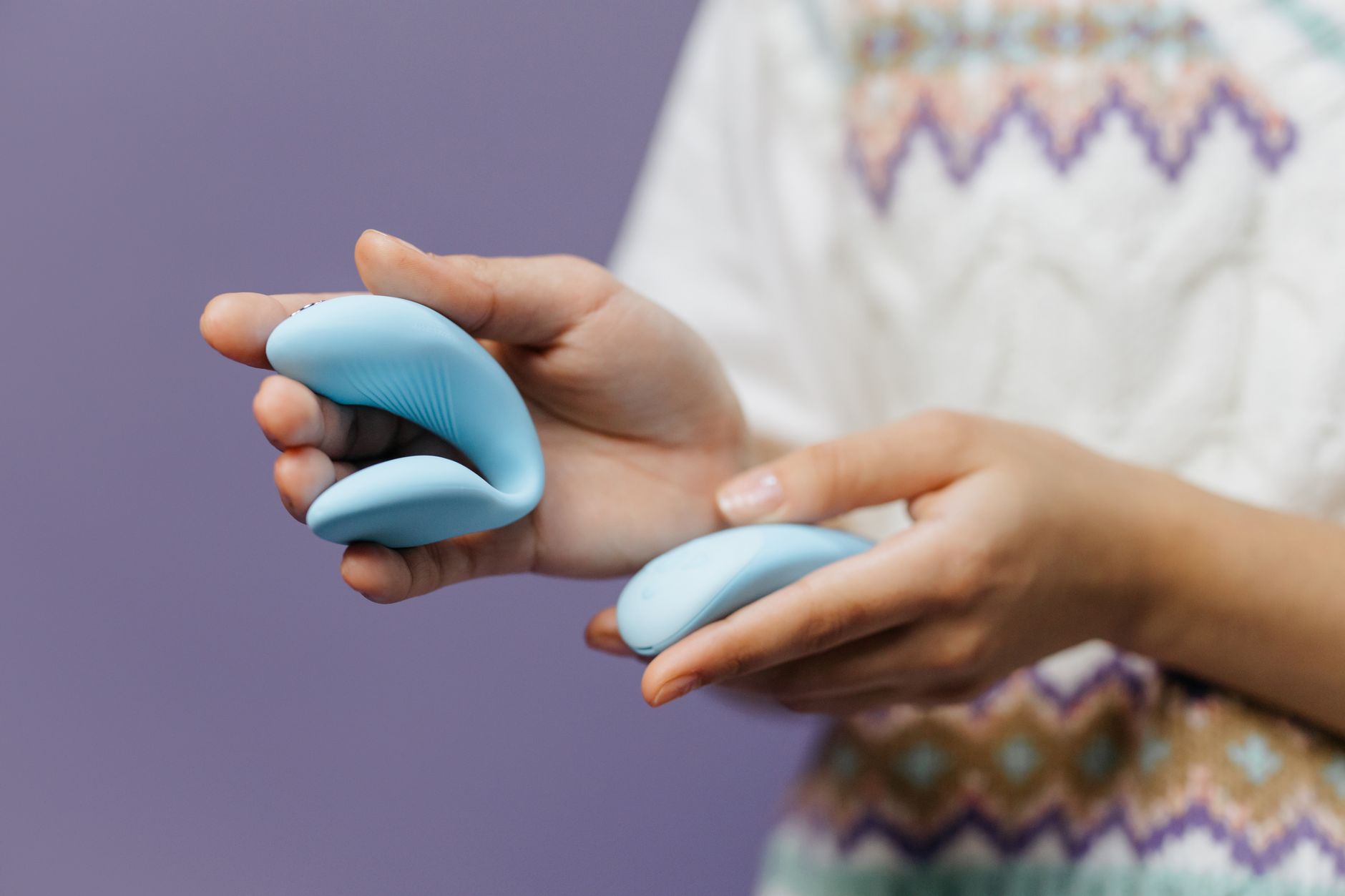
Photo by cottonbro studio on Pexels
Many couples find that the lemon vibrator actually removes some of the performance pressure that existed in their pre-infidelity sex life. Instead of everything depending on one person's arousal or orgasm, there's a tool that provides consistent sensation. That consistency is grounding. It gives both people something neutral to focus on instead of just watching each other's face for signs of betrayal or judgment.
Common friction points and how to handle them
Some partners worry the lemon vibrator means they're not enough. That's a conversation that needs directness. "This tool helps my body feel pleasure. My love for you is separate from whether I need stimulation. These are not connected." Say it, then say it again when shame creeps back in (it will).
Some people experience guilt during pleasure because pleasure felt impossible in the weeks after infidelity. If your body suddenly feels good again, part of you might think you shouldn't deserve that. Work with a therapist on this if it's happening. Your body's capacity for pleasure is not a moral failing. It's a sign you're healing.
Some couples find that introducing the lemon vibrator raises new questions about what they actually want from sex now. That's not a problem. That's the gift. Infidelity, as terrible as it is, sometimes forces couples to have conversations about desire they never would have had otherwise.
What success actually looks like
Recovering physical intimacy after infidelity doesn't mean recreating what you had before. It means building something consensual, present, and real. You might find you want different things than before. You might discover that slower, more deliberate sex with a lemon vibrator as part of the experience is actually better than what you had.
You might also find that even with tools and time, this particular relationship isn't repairable. That's also information worth respecting. A vibrator is not a fix-all. It's a tool that helps your body and your partner's body show up with less defense. The real work is emotional and relational.
But for couples who do the internal work, who show up honestly, and who use tools like a lemon clitoral vibrator as a bridge back to each other instead of a band-aid over the wound. Reconnection is possible. Pleasure returns. Trust rebuilds.
It just takes time, honesty, and permission to move at the pace your body actually needs, not the pace you think you should be at.
People also ask
How long does it take to rebuild sexual intimacy after infidelity?
There's no universal timeline, but most couples I work with see meaningful reconnection around the 6-month mark, assuming active emotional work is happening. That doesn't mean sex is comfortable yet. It means the nervous system is starting to relax. Full trust and pleasure often take 12-18 months. If it's not happening by then, that might signal the relationship itself isn't sustainable, and that's worth acknowledging.
Can using a lemon vibrator together rebuild trust?
Not on its own. But it can be part of the process. What rebuilds trust is consistent honesty, emotional vulnerability, and your partner showing up differently than they did before the infidelity. A lemon vibrator is a physical tool that supports nervous system regulation. The real trust work happens in conversations, in daily choices, in your partner proving they're trustworthy again.
Is it normal to feel nothing during sex after infidelity?
Completely normal. Your body is protecting itself. Numbness is actually a survival response, not a sign that your relationship is over or that you're broken. It typically improves as your nervous system feels safer. If you're still completely numb after 6-8 months of focused work, talking to a trauma-informed therapist or sex therapist is worth it.
Should we tell our therapist we're using a lemon vibrator?
Yes. If you're seeing a couples therapist or a sex therapist, they need the full picture of what's happening in your physical relationship. A good therapist won't judge you for using a toy. They'll use that information to help you rebuild more effectively. If your therapist shames you for using a lemon vibrator, find a new therapist.
What if one partner wants to use toys and the other doesn't?
That's a legitimate boundary to respect. The solution isn't pushing. It's curiosity. Ask your partner what scares them about it. Is it jealousy? Shame? A feeling that it's unnecessary? You might find the real issue has nothing to do with the toy and everything to do with control or trust. Work through that conversation with a therapist if you're stuck.
How do we move past the lemon vibrator becoming a crutch?
You don't move past it by eliminating it. You move past it by slowly expanding the range of sexual experiences that feel good. Start with the toy as a central part of sex. Over time, spend some sessions without it. Some with it. Some with different toys. The goal is your body feeling safe enough that pleasure exists with or without tools, not that you prove you don't need it.
The real work starts after
A lemon vibrator is a bridge. It helps your body reconnect with sensation, and it helps couples rebuild physical intimacy in a way that feels safer and less laden with performance pressure. But the real work is the conversations, the therapy, the daily choices to rebuild trust.
If you and your partner are ready to do that work, tools like the lemon vibrator can absolutely support the journey. If you're still in the crisis phase of infidelity, focus on the emotional work first. The physical reconnection will follow. And when it does, you might be surprised at what feels possible.
If you're struggling with how to navigate this, talking to a therapist trained in infidelity recovery is one of the best investments you can make. They can help you move through this in a way that honors both the pain and the possibility of rebuilding.
Reach out if you need resources or want to talk through where you are in your own process.