Let's be honest about what changes
Clitoral sensation shifts as you age. Not in a catastrophic way. In a real, physiological way that nobody explains, so you assume something's broken. It isn't. Your nervous system and tissue composition are just different than they were at thirty.
Here's what actually happens: nerve fiber density doesn't change much, but the speed of nerve impulses slows slightly. Skin becomes thinner. Blood flow patterns shift. Estrogen and testosterone fluctuate differently depending on where you are in your hormonal timeline. The result? The same touch that once felt electric might now feel muted. And direct stimulation that used to work flawlessly might feel too intense or somehow off.
This is not a character flaw. This is not the end of pleasure. This is just the setup for learning how to use tools differently.
Why lemon vibrators work better than other methods
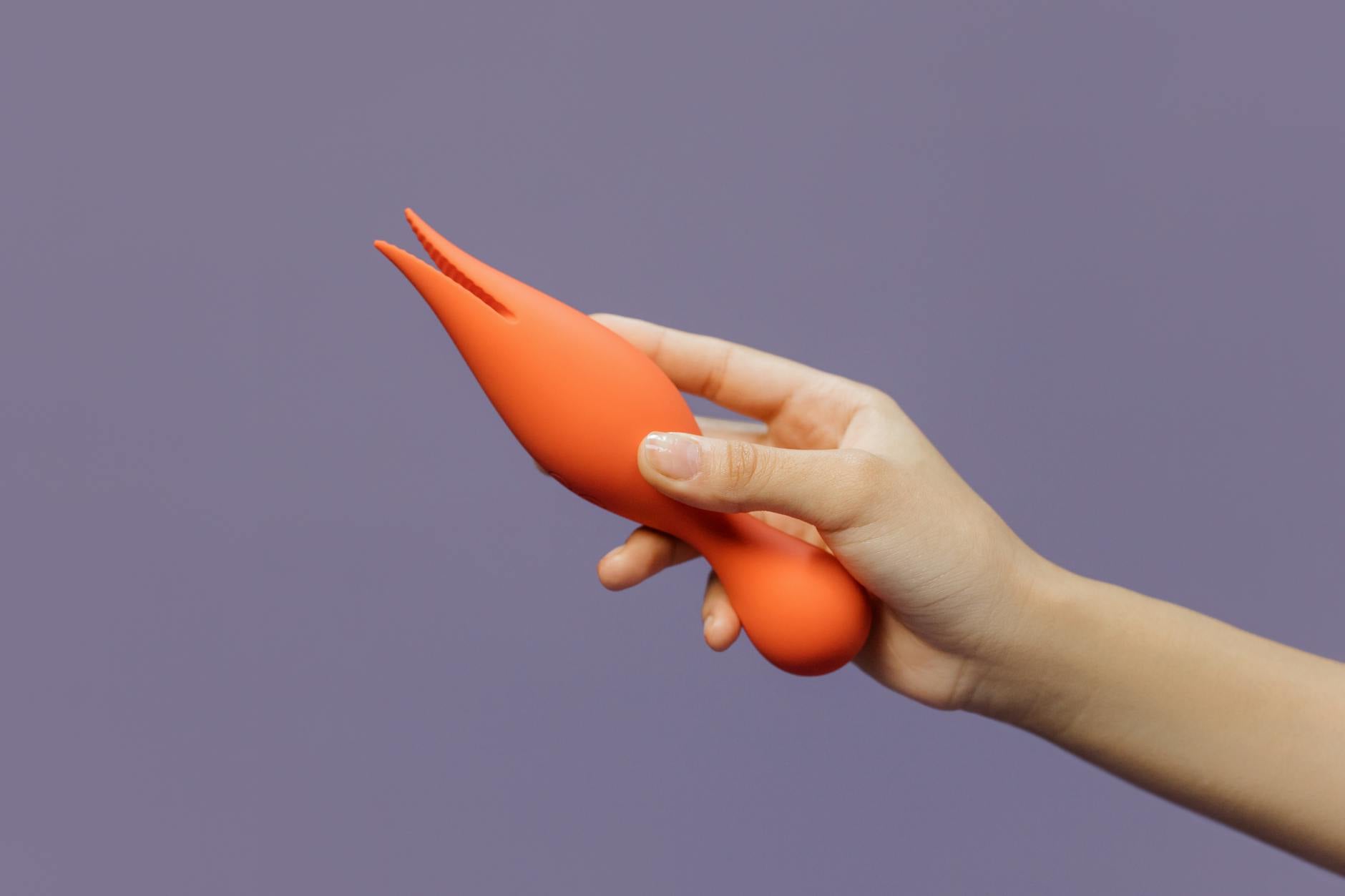
A lemon clitoral vibrator works through suction and gentle pulsation, not raw friction or direct vibration. That design matters enormously as sensation changes.
Direct vibrators rely on intensity and speed. As nerve response slows, you naturally chase stronger and faster settings to feel the same effect. That cycle becomes exhausting. You end up white-knuckling your way to an orgasm, if you get there at all.
Suction-based tools like the Lem work by creating a pressure gradient. Instead of hammering nerves with frequency, suction engages the entire clitoral complex more gently. It stimulates not just the visible external glans but the internal clitoral bulbs and legs. For aging bodies, this is a game-changer because it distributes sensation across a wider area and doesn't require the same spike in intensity.
The result: you get more sensation from less effort, and it feels less jarring.
How sensation actually changes by decade
In your fifties and into your sixties, you might notice that orgasms take longer to build. The arousal plateau is longer. That's not a problem. That's just more time to explore.
You might also notice that your clitoris is less plump. That's estrogen-dependent tissue responding to hormonal shifts. Less engorgement means less volume, which can make direct touch feel sharper instead of sumptuous. This is where suction wins. It creates its own pressure and engorgement, which recreates some of that fullness.
In your seventies and beyond, the real change is often nerve conduction velocity. Not that nerves die. They just signal a hair slower. Combine that with thinner skin and you get a sensitivity that feels genuinely different. You might prefer lighter touch, longer foreplay, or a combination approach. A lemon suction vibrator can dial this in better than almost any other tool.
The setup that matters most
Three things change your experience more than your age does:
Time and warm-up
Give yourself 20 to 30 minutes before you expect orgasm. Not because you're broken, but because a slower nervous system is actually an advantage. You get more time to notice sensation, to get mentally present, to feel what's actually happening instead of rushing through it.
Lubrication
As estrogen drops, tissue thins. That's true whether you're in perimenopause, menopause, or just aging. Water-based lubricant is your friend here. It's not a band-aid for a broken system. It's a sensory enhancer. Good lubricant makes suction work better and makes sensation feel cleaner and less jarring.
Pressure and pattern, not speed
Start with the Lem on pattern 1 or 2. Not because you're being cautious, but because lower patterns tend to have a richer, more complex pulse. Higher speeds are often just noise at this point. You're not looking for intensity. You're looking for resonance. A pattern that actually feels good against your specific anatomy.
Adjusting your technique as sensation shifts
If you've been using the same method for years, aging is a good excuse to experiment.
Try pausing the vibration and just moving the Lem gently across different areas. Most clitorises have hot spots that change over time. What felt amazing at forty might not be your favorite zone at sixty. A clitoral vibrator gives you the flexibility to map this out.
Combine suction with your own hand. Use the Lem in short bursts instead of constant contact. Press it on, count to ten, remove it, reset your focus, then press it on again. This rhythm-building approach often works better for aging nerve response because it gives your nervous system time to reset between stimulations.
Invest in longer foreplay with a partner, or longer self-exploration if you're solo. This isn't foreplay as prelude. This is foreplay as the main event. Spend ten minutes just touching, breathing, noticing before you reach for any vibrator.
When sensation feels genuinely muted
If you're using the Lem on the highest settings regularly and still feel nothing, or if sensation was sharp and now it's vanished entirely, that's worth checking with a healthcare provider.
Neuropathy from diabetes, B12 deficiency, or other conditions can affect clitoral sensation. Some medications dampen nerve response. Some hormonal shifts are more extreme than others. A good gynecologist or sexual health specialist can rule out anything that needs attention.
That said, most people who think their sensitivity is gone are actually just using the wrong tool or the wrong approach. Switching to a lemon clitoral vibrator and giving yourself real time changes everything.
Rebuilding confidence after a long stretch without pleasure
If you've gone months or years without orgasm, your nervous system might need a reset. This is true at any age, but it's especially true as you get older because the stakes feel higher and the pressure gets louder.
Start with the Lem, but use it without the goal of orgasm. Spend five minutes just exploring. Notice where it feels good. Notice where it feels weird or unpleasant. Build a map of your own body as it is now, not as it used to be.
If you have a partner, talk about this before you use any toy together. Say something like: "I'm relearning what feels good now. I'm going to try something different. I might not come, and that's the whole point." This takes pressure off and makes the whole experience less fraught.
Many people find that after a few weeks of low-pressure exploration, sensation comes roaring back. Not because anything changed physically, but because your brain stopped bracing against disappointment and started actually paying attention.
The emotional layer nobody talks about
Aging affects sensation. It also affects how you feel about your body and your sexuality. You've spent decades navigating one set of expectations. Now the rules are different. Some of that difference is grief. Some of it is relief. Most of it is confusion.
A lemon vibrator is a tool. But it's also permission to explore this new chapter without shame. It says: your pleasure matters now, at whatever your capacity is. Not your past capacity. Your current capacity.
That mindset shift might matter more than the tool itself.
When to consider other approaches
If suction feels uncomfortable or irritating, topical estrogen cream used regularly can help thicken tissue and restore some sensitivity. It works beautifully with vibrators once you've used it for a few weeks.
If you have arthritis or grip issues, look for a remote control option or ask a partner to hold the Lem while you guide pressure and movement. This transforms the experience from something that requires fine motor control into something collaborative.
If clitoral sensation is completely absent and estrogen and medication are ruled out, testosterone therapy is worth discussing with a provider. It's conservative in some regions, more readily available in others, but it genuinely works for some people. That's a conversation, not a guarantee, but worth having.
The bottom line
Aging doesn't end your pleasure. It ends your old pleasure. That's a loss, and it's also an invitation. A lemon suction vibrator is built for this moment. It works with your aging nervous system instead of against it. You get to slow down, pay attention, and discover what sensation actually feels like now.
That's not a compromise. That's an upgrade.
People also ask
Can clitoral sensitivity return as you age?
Partially, yes. Sensitivity often stabilizes once you adjust your expectations and technique. If you've been frustrated and avoiding stimulation, moving back into exploration with the right tool (like a lemon clitoral vibrator) can restore sensation relatively quickly. If you've had hormonal shifts that genuinely altered nerve response, that change is usually permanent, but your brain adapts and you find new sources of pleasure. For some people, topical estrogen helps. For others, it's just about finding the right pressure, pattern, and pacing.
Why does the Lem work better than my old vibrator for aging sensitivity?
Suction-based stimulation engages more of the clitoral structure than direct vibration does. As nerve conduction slows, you need a broader stimulus, not a faster one. The Lem's pulsation pattern also tends to be richer at lower settings, which matches what an aging nervous system actually needs. Direct vibrators usually rely on speed and intensity to feel like anything at all, which is exhausting.
Is it normal for orgasms to take longer after fifty?
Completely normal. Arousal takes longer to build, the plateau lasts longer, and the whole experience stretches out. Most people find this is actually better once they stop fighting it. You get more time to be present, more time to explore, less rush. It's a different rhythm, not a broken one.
Does hormonal therapy help with clitoral sensitivity?
For some people, yes. Estrogen therapy (topical cream, not systemic) can restore some tissue thickness and sensation when used consistently. Testosterone therapy can increase desire and clitoral engorgement for people who respond to it. Neither is a magic fix, and neither works for everyone. They work best when combined with good tools and realistic expectations. Talk to a menopause-trained provider.
Should I use numbing cream if stimulation feels too intense?
No. That's treating the symptom backward. If sensation feels too intense, you're probably using the wrong pressure or pattern. Start the Lem on the lowest setting. Use more lubricant. Take longer warm-up time. Let your nervous system adjust. Most people who think they need numbing just need to slow down and recalibrate. Numbing cream masks what your body is actually telling you.
Can I use a lemon clitoral vibrator if I have numbness from diabetes or neuropathy?
Yes, but talk to your healthcare provider first. If you have sensation loss, you need to be careful not to accidentally hurt yourself with intense stimulation. A lemon vibrator on a lower setting is actually safer than many alternatives because it's more evenly distributed. Start with patterns 1 and 2, use plenty of lube, and keep sessions short until you know how your body responds.
Sources
Sensory Changes and Sexual Response in Aging: Research in Archives of Sexual Behavior and Journal of Sexual Medicine confirms that nerve conduction velocity decreases with age while clitoral complex anatomy remains stable, supporting the efficacy of distributed-pressure tools like suction vibrators for aging bodies.
Estrogen's Role in Genital Tissue: Studies in Menopause Review document estrogen-dependent changes in clitoral tissue thickness and engorgement patterns, validating the use of topical estrogen in conjunction with sensory tools for post-menopausal individuals.
Physiological Response to Suction-Based Stimulation: Research presented in the Journal of Sex & Marital Therapy indicates that suction-based stimulation engages clitoral bulbs and erectile tissue more comprehensively than direct vibration, improving sensation for those with altered nerve response.