Let's be honest about breastfeeding and desire
Breastfeeding is amazing. It's also a complete hormone hijack that flips your libido off like a light switch. Prolactin soars. Oxytocin floods your system every time your baby latches. Your vagina dries up. Your nipples become untouchable because they've already spent eight hours a day getting sucked on by an infant. And somehow, everyone acts surprised when you don't want your partner anywhere near you.
Here's what happens: your body is literally being used for survival. Touch, which used to feel pleasurable, now registers as one more demand on your physical resources. Arousal isn't absent because you don't love your partner or because something's broken. It's absent because your neurochemistry is running a different program right now.
The good news is that pleasure doesn't disappear. It just needs a completely different entry point.
Why breastfeeding hormones tank arousal
Prolactin does most of the damage. This hormone skyrockets while you're nursing and stays elevated for months afterward, especially if you're exclusively breastfeeding. Prolactin actively suppresses dopamine, which is the neurochemical foundation of desire. It's not a side effect. It's a feature. Your body is literally prioritizing milk production and infant bonding over your sex drive.
Then there's touch saturation. You spend hours a day with a baby's mouth on your skin. Your partner touching you, even gently, can feel like one more invasion rather than intimacy. This is called "touch aversion," and it's incredibly common. It's not a sign you're touched out forever. It means you need space and control over the touch that's happening.
Oxytocin, the bonding hormone, is also elevated during breastfeeding. That's beautiful for attachment, but it's also partially depleting the neurochemical resources you'd normally use for sexual pleasure. Your body is working in triage mode.
Why a clitoral vibrator changes the game
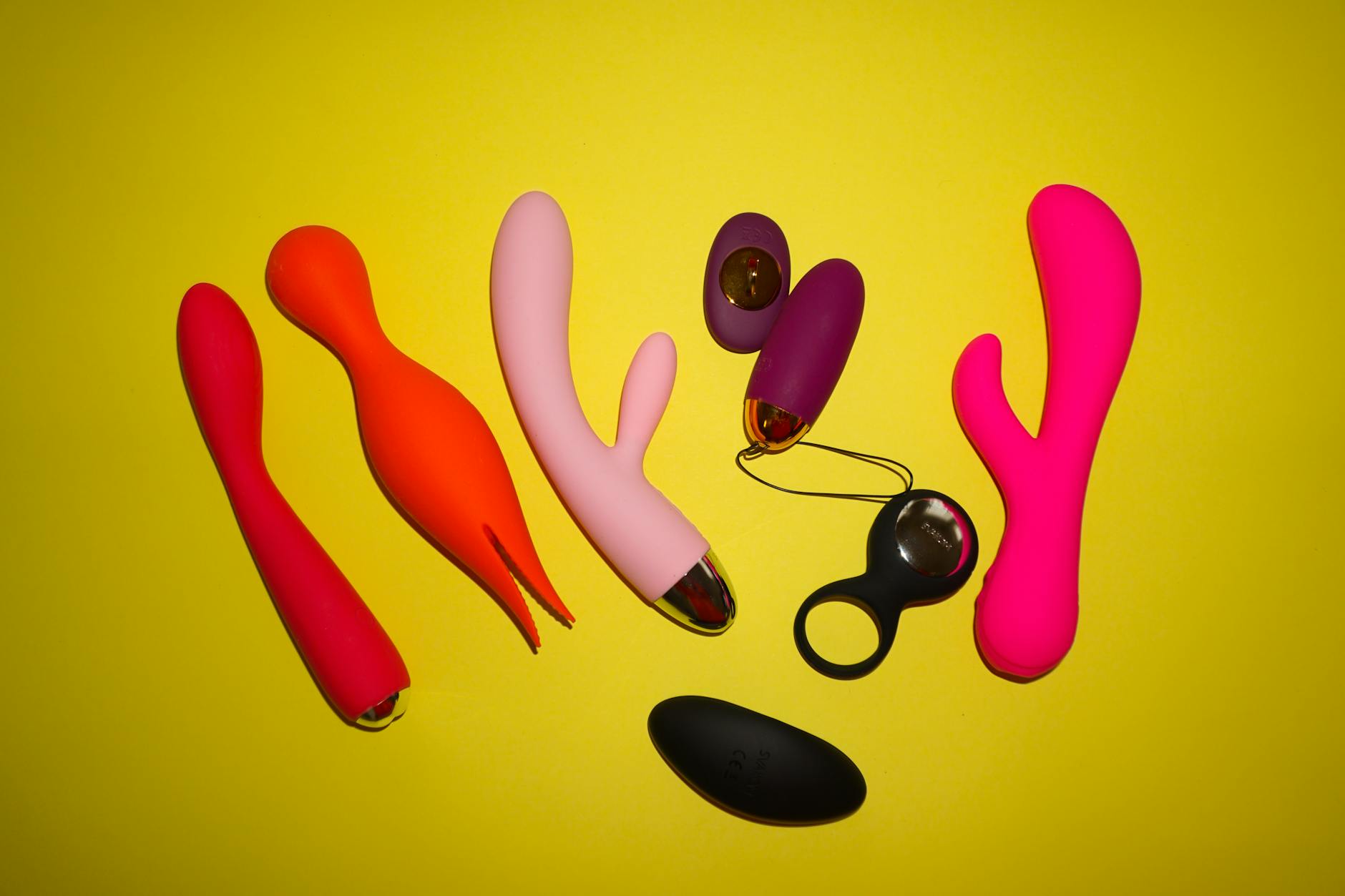
Here's the thing about lemon vibrators and other air-suction clitoral stimulators: they work brilliantly when standard arousal isn't happening, because they bypass the whole desire-based pathway entirely.
Normal sex requires a cascade of neurochemical events: desire builds, blood flow increases, sensation becomes pleasurable. When you're breastfeeding, that pathway is flooded with suppressing hormones. A lemon clitoral vibrator doesn't wait for desire. It creates a direct physical sensation that can generate arousal retroactively.
Air-pulse technology (which most lemon vibrators use) stimulates thousands of nerve endings without requiring the same kind of mental arousal or physical lubrication that traditional penetration needs. The stimulation is also gentler and more diffuse than direct vibration, which matters because postpartum tissue is more sensitive and you probably have zero interest in intensity right now.
Most importantly: you're in complete control. You decide the timing, the duration, the intensity. Your partner isn't touching you. Nothing is being demanded. That control is often the most erotically relevant thing for someone in your position.
When to start using a lemon vibrator postpartum
Wait until you've stopped bleeding actively. That usually means 4 to 6 weeks postpartum, though it varies wildly. Ask your midwife or GP. If you had stitches or tearing, give it longer. Your pelvic floor needs to heal.
Then wait another week before you actually use one. You want to be past the point where sitting feels like an ordeal. Around week 5 or 6, if bleeding has stopped and you're not in pain, you can try. Go slow. Your tissues are still recovering.
If you're exclusively breastfeeding, understand that prolactin suppression is going to make this harder than it would be at other times in your life. That's normal. You're not broken. You're just working against strong neurochemistry. A lemon clitoral vibrator can still work, but it might take longer to generate sensation or enjoyment.
If you're combination feeding or have started weaning, arousal typically comes back faster. Your prolactin levels start dropping, which means dopamine can rebound. This is a good time to reintroduce pleasure.
The practical setup that actually works
Three things matter here:
First, choose a time when you have genuine solitude. Not just privacy behind a closed door. Actual solitude where your baby is cared for by your partner, a family member, or a trusted friend, and you're not on-call. Even 15 minutes of true mental space changes your nervous system state.
Second, use lubrication. Postpartum vaginal dryness is real, especially while breastfeeding. Water-based lube makes a massive difference in comfort and sensation. Apply it liberally around the vulva and on the lemon vibrator itself.
Third, start at low intensity and work up slowly. Most clitoral vibrators have multiple patterns and power levels. Begin at the lowest setting. Let your body acclimate. Sensation often builds over time. You might not feel much in the first 30 seconds, and that's fine. You're retraining your nervous system to experience pleasure after months of depletion.
Rebuilding pleasure when touch has felt invasive
One of the strangest parts of postpartum desire loss is that it doesn't always look like low libido. Sometimes it looks like active aversion. Your partner's hand on your shoulder makes you flinch. Kissing feels suffocating. This is touch saturation colliding with hormonal suppression, and it's temporary, but it feels permanent.
Using a lemon vibrator solo reintroduces pleasure without anyone else's agenda. You're not performing. You're not being responsive or enthusiastic for anyone else's benefit. You're reconnecting with what your body is capable of when it's purely for you.
Many people find that this solo reconnection actually makes partnered sex easier to re-approach later. You've established that pleasure is still possible for you. You've reminded your nervous system what arousal feels like. Then, when your partner comes back into the picture, it's less like "I have to want this," and more like "I remember this is something I can feel."
When to bring your partner back into the picture
Don't rush this. The pressure to get your sex drive back immediately postpartum is toxic nonsense. You have a human being extracting milk and energy from your body 8 to 12 times a day. Your hormones are in survival mode. The fact that you're considering pleasure at all is ambitious.
If you're using a lemon clitoral vibrator solo and it feels good, that's the signal that your body is waking back up. That's when you can consider inviting your partner back. And "back" doesn't mean penetration. It means touching, kissing, mutual exploration. Let them watch you use the lemon vibrator if that feels good. Let them understand what patterns and speeds work for you right now. Your partner isn't trying to restore your old sex life. You're building a new one that accommodates your current reality.
Many couples find that toys become part of their new normal, not a temporary fix. That's actually fine. Your needs have changed. Your body has changed. Your sexuality evolving to include a lemon clitoral vibrator isn't a step backward. It's adaptation.
The neurochemistry argument for patience
Every time you weaning a little, prolactin drops slightly. Every time your baby takes a bottle instead of nursing directly, your body gets a micro-break from constant oxytocin surges. Every month you move forward, your neurochemistry shifts back toward baseline. This isn't instant. But it's real.
If you're exclusively breastfeeding and planning to nurse for a year or more, understand that you might not feel like your "normal self" sexually until after you've stopped. And that's okay. Your sexuality is not less valid or important because of that timeline. But it's worth knowing you're not broken. You're just on a different clock right now.
A lemon vibrator can help you maintain a thread of connection to pleasure while you're in the thick of it. Not as pressure to perform. Not as something you "should" want. Just as a gentle reminder that your body is still capable of feeling good, even when everything else is demanding.
FAQ: Breastfeeding and pleasure
Can I use a clitoral vibrator while still actively breastfeeding?
Yes, once you're past the initial postpartum healing window (around 5 to 6 weeks). Your breastfeeding won't be affected. There's no reason to wait until you've weaned. Solo pleasure is one of the safest ways to reconnect with arousal while hormones are still suppressing it.
Will using a lemon vibrator help my desire come back faster?
Not faster, but it can help you maintain connection to pleasure while you're waiting for prolactin to naturally drop. It's less about acceleration and more about not losing yourself completely during a season that already feels identity-erasing.
What if I feel guilty about wanting solo pleasure while breastfeeding?
That guilt is cultural, not biological. Your body belongs to you. Using a clitoral vibrator for your own pleasure is not selfish. It's self-preservation. You're not stealing energy from your baby. You're maintaining your own sanity, which directly improves your capacity to show up for everyone else.
Can I use a lemon vibrator with my partner while breastfeeding if I don't want them touching me?
Absolutely. Many people find that their partner using a toy on them feels less invasive than their partner's hands. You're removing the intimacy demand while keeping the pleasure. That's a legitimate choice, not a compromise.
Why does a clitoral vibrator feel different than partnered sex right now?
Control. You can start it, stop it, change the intensity, and finish on your timeline. Partnered sex requires reciprocity and responsiveness, which depletes energy you don't have. A vibrator asks nothing of you except to receive sensation. That's the entire point.
When should I expect arousal to return if I'm exclusively breastfeeding?
It varies wildly. Some people feel their libido shift around 6 months postpartum. Others don't feel baseline arousal return until 12 months or later. If you're weaning or combination feeding, it usually accelerates. Talk to your doctor if you're concerned, but also know that timing is individual and none of this means something is wrong.
The bottom line
Breastfeeding is a season, not a permanent state. Right now, your body is running on a program that prioritizes survival over pleasure. That's not your fault. That's not your partner's fault. That's just biology doing what it does.
A lemon clitoral vibrator can help you maintain a sense of yourself as a sexual being during a time when almost everything else is erased. It's not a replacement for partnered intimacy. It's a bridge. It's a way to say, "I'm still here. I'm still capable of feeling good. This is temporary."
When you're ready to reconnect with partnered pleasure, that thread of solo exploration will help you remember what you like, what you need, and what your body is capable of. Until then, give yourself permission to experience pleasure on your own terms. You've earned it. Your body deserves it. And your relationship will be stronger for it.