Let's name what's happening
Stress doesn't just make you tired. It hijacks your dopamine, floods your system with cortisol, and tells your nervous system that survival matters more than sensation. Your libido isn't broken. It's doing exactly what it's supposed to do: vanish when your brain is in threat mode.
The problem is that low desire under stress feels personal. You blame yourself, your partner blames the timing, and before you know it, the absence of sex becomes another source of shame and disconnection. That's where things get stuck.
Why stress-related low libido is different
There's a crucial distinction between low libido from hormonal fluctuations, relationship issues, or medical causes, and low libido from acute or chronic stress. When your nervous system is activated, arousal literally can't happen the same way. Your brain is too busy scanning for threat.
The research is clear: cortisol and chronic stress suppress desire, arousal speed, and orgasm intensity. For some people, it disappears entirely. For others, it becomes effortful instead of automatic. You can still have sex, but pleasure feels distant or muted, like you're watching it happen rather than feeling it.
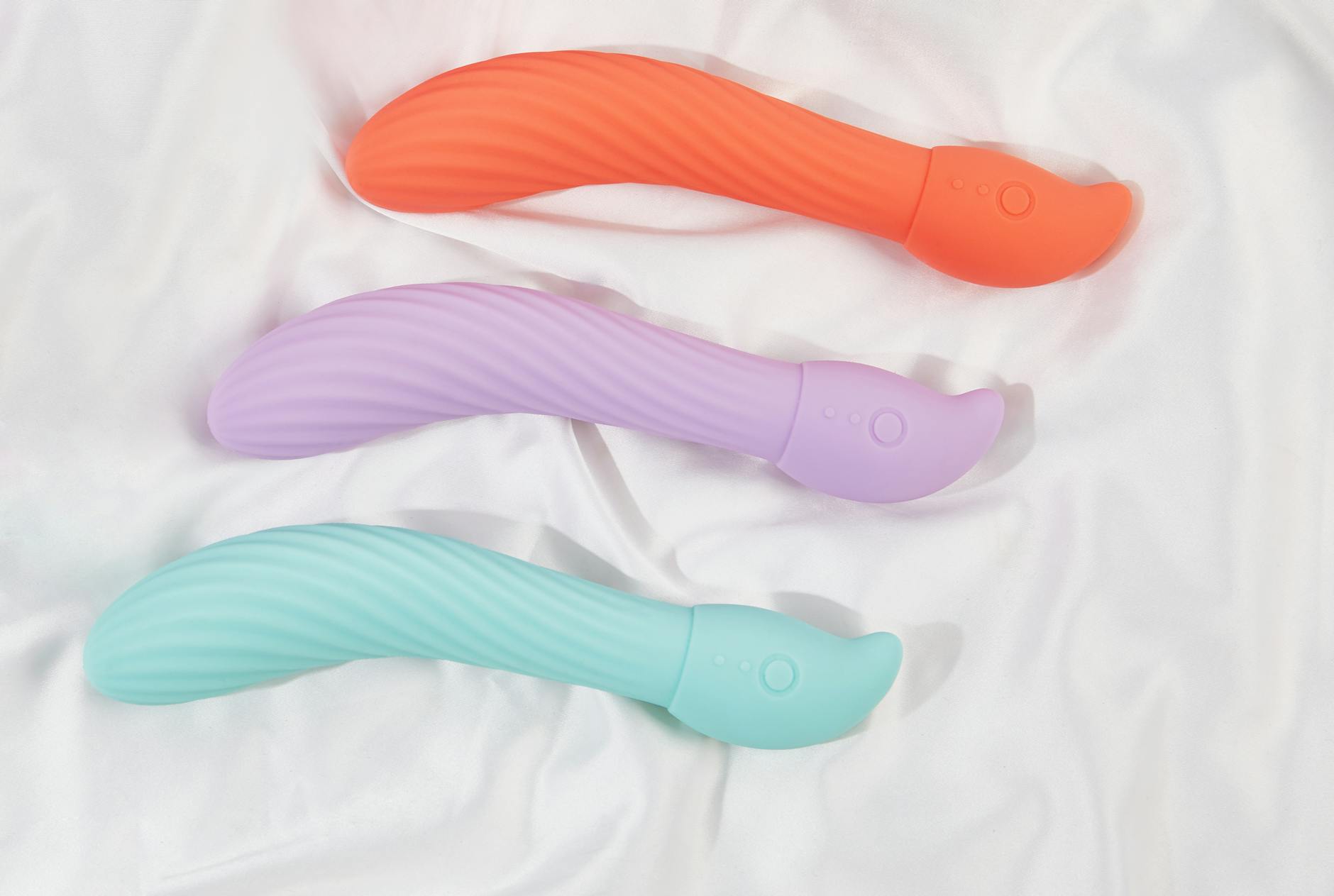
A clitoral lemon vibrator doesn't solve the stress itself. But it can help your nervous system remember that pleasure is still possible. That matters more than you might think.
How a lemon vibrator helps when stress has flatlined desire
Three reasons a lemon clitoral vibrator works better than traditional toys when your libido is stress-suppressed:
The suction mechanism is forgiving. With stress, direct pressure can feel overstimulating or numb. The gentle suction of a lemon vibrator (or lemon sucker as some call it) activates nerve endings without the hammer-blow intensity of a traditional wand or bullet. You can go slower, stay present, and not feel like you're chasing sensation.
It requires less mental load. When anxiety is high, managing multiple sensations or complicated positioning tanks arousal. The lemon sexual toy's focused design means you can keep it simple. Hold it, breathe, feel. No thinking required.
Suction bypasses numbness. Stress often creates a kind of emotional numbing that translates physically into reduced sensation. The lemon vibrator's unique air-pulse technology can cut through that fog more effectively than friction-based toys. You feel less numb, faster.
The pre-pleasure protocol
Don't jump straight to using your lemon vibrator when stress is high. Your nervous system needs permission first.
Step one: Lower your cortisol before you start. This sounds like therapy, but it's mechanics. Spend 10 to 15 minutes doing something that genuinely calms you. Not meditation if that feels forced. Could be a bath, a walk alone, a podcast that makes you laugh, stretching, tea. Something that feels like care, not another task on your list.
Step two: Notice your baseline arousal. Before touching anything, where is desire right now? Is it a 2 out of 10? A zero? Don't judge it. Just notice. You're not trying to manufacture arousal out of nothing. You're trying to find the tiny spark, if it exists, and see if a lemon vibrator can coax it forward.
Step three: Set a time limit. Stress makes us impatient with pleasure. We want results. Set a 10 to 15 minute boundary. If nothing happens, you get to stop. No failure. That boundary actually helps your nervous system relax.
Using the lemon vibrator when desire is low
Here's what works when stress has dampened your sex drive:
Start at the lowest setting. Don't prove anything by jumping to intensity. Pattern one or two. The lemon vibrator's suction is gentle enough that the lowest setting often feels like enough when you're stressed. Let it be.
Breathe first, vibrate second. Three deep breaths before you turn it on. Your breath is the fastest way to downshift your nervous system out of stress mode. Inhale for four, exhale for six. Do this three times. Then press start.
Focus on the sensation, not the outcome. Stress makes us goal-oriented about pleasure. We want the orgasm, we want to prove we're still responsive, we want to be "normal" again. That wanting actually blocks arousal. Instead, notice texture. Temperature. Pressure. Rhythm. You're not trying to come. You're trying to feel.
Let it be slow. Low libido under stress doesn't rush. You might need 20 or 30 minutes to even begin feeling interested. That's not a problem. That's information. A lemon clitoral vibrator is patient. You can be patient too.
Use your other senses. Low desire often means visuals don't land. But touch, sound, and smell do. Light a candle. Put on a song. Use a lube that smells like something you love. These aren't distractions. They're ways to wake up your nervous system without pressure.
When your partner is involved
If you share a bed with someone, stress-related low libido becomes a two-person problem fast. Using a lemon vibrator together requires a conversation that most couples skip.
Here's what I recommend: Tell them this isn't about your desire for them. It's about your nervous system being in survival mode. Frame it as a tool for reconnection, not a replacement. Invite them to help create the conditions for pleasure (lower the temperature, dim the lights, be present with you) rather than trying to fix your libido directly.
Many partners feel relief when you name it clearly. "I'm stressed, my brain is offline, and I want to find my way back to pleasure with you." That's different from "I don't want you." That difference matters.
Rebuilding desire over weeks, not nights
Stress-related low libido doesn't flip like a switch. It rebuilds. Using a lemon vibrator once won't resurrect your sex drive. But using it regularly, in a low-pressure way, begins to rewire your nervous system. You're teaching it that pleasure is still safe.
I recommend my clients use a clitoral lemon vibrator two to three times per week when stress is high, without any expectation of orgasm. Just exploration. Just feeling. After two or three weeks, many notice arousal creeping back in. Not all the way. But back.
That's the point. You're not trying to be as horny as you were pre-stress. You're building back gradually, with kindness, toward a place where pleasure feels accessible again.
When stress isn't going anywhere soon
If your stress is chronic and structural (a brutal job, an ongoing family crisis, financial pressure), using a lemon vibrator is maintenance, not a cure. It helps. But it doesn't fix the underlying problem.
In that case, pair the vibrator with actual stress management. Therapy, especially somatic therapy or Gottman Method work if relationship issues are tangled with the stress. Movement. Sleep prioritization. Maybe medication if anxiety is the primary driver. The vibrator is one tool in a toolkit, not the whole solution.
The bigger permission you need
Here's what I notice: most people with stress-related low libido punish themselves for it. They think desire should be automatic, unaffected by external chaos. That's not how bodies work. Your nervous system is smart. It's protecting you. Honor that.
Using a lemon vibrator when stress has flatlined your desire is not selfish or desperate. It's you saying: I still deserve pleasure, even in hard seasons. That's radical. That's the real work.
People also ask
How long does it take for a lemon vibrator to help when stress is the problem?
Most people notice a shift in sensation within the first few uses. Arousal itself usually takes two to three weeks of consistent use. That's because your nervous system needs time to downshift out of threat mode. Don't expect one session to restore desire. Expect a gradual return to feeling, then to arousal, then to pleasure.
Can I use a lemon vibrator if I'm on anti-anxiety medication?
Yes. Most anti-anxiety medications don't interfere with the physical sensation or the mechanics of arousal. That said, some SSRIs do dampen libido as a side effect. If you're on an SSRI and noticing low desire, a clitoral lemon vibrator can often help cut through that numbness better than traditional toys because suction activates different nerve pathways. If you're concerned, ask your prescriber, but this is generally safe.
What if using a lemon vibrator when stressed just makes me feel more frustrated?
Stop. Forcing pleasure when stress is high can backfire. Your nervous system is telling you it's not ready. Instead, try the pre-pleasure protocol without the vibrator first. Spend those 10 to 15 minutes on genuine calm. Come back to the lemon vibrator in a few days. There's no deadline. Sometimes the kindest thing you can do is wait.
Does a lemon clitoral vibrator work better than other toys for stress-related low libido?
It can, yes. The suction mechanism of a lemon vibrator is gentler and more forgiving than the repetitive intensity of a traditional wand or bullet vibrator. For stress-dampened desire, that gentleness often translates to less numbness and faster reconnection with sensation. But everyone's different. If a toy you already own works, use that. The consistency matters more than finding the perfect tool.
Should I tell my partner I'm using a lemon vibrator to deal with stress-related low libido?
That depends on your relationship and how they respond to you having your own pleasure. If you share a bed or your sexual life together, openness helps. If your partner gets defensive about toys, that's worth a separate conversation about why, because it's not really about the vibrator. Using a lemon sexual toy solo when stress is affecting desire is normal and healthy. You don't need permission. But partnership usually benefits from honesty.
How do I know if my low libido is stress or something else?
Stress-related low libido usually appears suddenly or gradually worsens over weeks when external pressure mounts. If desire vanished overnight with no stressful event, or if it's accompanied by mood changes, pain, or other physical symptoms, see a doctor first. If you can trace it back to a specific stressful period and nothing else feels off physically, stress is probably your culprit. A clinician can help you sort it if you're unsure.
Resources and further reading
For deeper exploration of stress, nervous system regulation, and sexual response, these evidence-based approaches help:
The Gottman Institute's work on stress and intimacy shows that couples who create "stress-reducing conversations" maintain connection during high-pressure periods. That framing can help you talk with a partner about what's happening.
Somatic therapy, which treats the nervous system through the body, often helps more than talk therapy alone when stress is physically suppressing arousal. If you're interested, search for a somatic therapist in your area.
Books like "The Body Keeps the Score" by Bessel van der Kolk offer readable science on how stress lives in the nervous system and why pleasure often feels inaccessible during threat mode.
If you're ready to reconnect with pleasure slowly and without pressure, a lemon vibrator can be part of that journey. So can professional support. So can patience with yourself. You deserve all three.