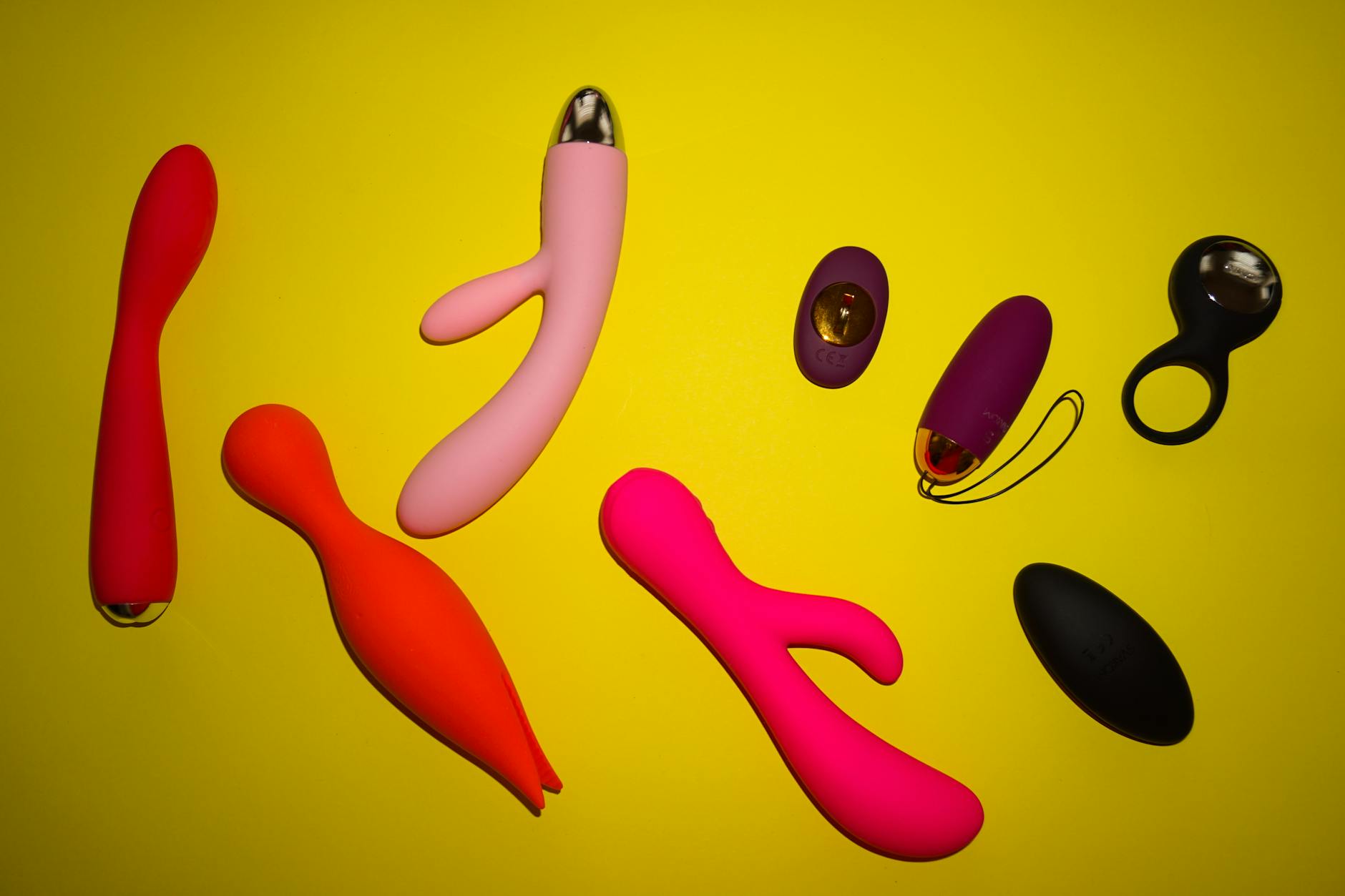
Let's talk about the numbness nobody warns you about
Menopause doesn't just lower your libido. For many people, it actually mutes sensation. You can touch your clitoris directly and feel almost nothing. That's not psychological. That's estrogen depletion thinning nerve-responsive tissue and changing how blood flows to the area.
The weird part? Traditional vibrators often make it worse.
Why standard vibrators feel like nothing during menopause
Most internal and external vibrators rely on direct, repetitive friction. They buzz fast against tissue that's now thinner, drier, and frankly less interested in that particular kind of stimulation. Your nerve endings need a different signal to wake up.
Here's the mechanical difference. A clitoral vibrator like the Lem uses suction and pulsing air patterns. That technology doesn't require thick, well-lubricated tissue. It works by creating a gentle seal and releasing rhythmic pressure. For post-menopausal bodies with reduced sensation, this is closer to how your nervous system actually registers pleasure.
I've worked with hundreds of people in midlife transitions. The ones who found sensation again almost always switched to air-pulse or suction-based clitoral vibrators. Not because they're inherently superior (some people prefer traditional vibration). But because suction wakes up nerve clusters that have gone quiet.
Why menopause specifically numbs sensation
Three things happen simultaneously.
Estrogen drops. This thins the vaginal and vulvar tissue. Thinner tissue means fewer layers protecting nerve endings, but paradoxically, less vascular support means less blood flow and less sensitivity.
Collagen production tanks. The elasticity and structural support around nerve pathways deteriorates. This is why you might have pain with certain kinds of touch even when there's plenty of lubrication.
Testosterone also declines. Most people don't realize testosterone fuels clitoral sensitivity. When it drops, the clitoris literally becomes less engorged with blood during arousal. Less engorgement equals less sensation.
The combination is like turning down the volume on all your pleasure signals. Standard vibrators were designed for bodies with higher baseline sensitivity. Your post-menopausal body needs a different tool.
How lemon vibrators and suction technology restore feeling
Suction vibrators like a lemon clitoral vibrator don't just vibrate. They pulse rhythmically, creating micro-compressions that stimulate the entire clitoral body (yes, it extends internally). That's different from buzz frequency.
Think of it this way: traditional vibration is like tapping on a wall. Suction is more like a gentle hand drawing. Your menopausal nerves respond better to the drawing.
The Lem specifically uses multiple pulse patterns at varying intensities. Starting low (patterns 1 through 3) allows your body to rebuild sensation gradually. Many people report that after a few weeks of using a lemon vibrator, their general sensation improves. The pathway reawakens.
Exact settings to start with
Begin on pattern 1 or 2. These are gentle, rolling pulses rather than rapid buzz. Place the Lem loosely over the clitoris without pressing hard. The suction should feel more like a hug than a vacuum.
Spend 5 to 10 minutes at each pattern before advancing. This isn't about rushing to orgasm. You're reintroducing nerve pathways to stimulation. Patience makes a massive difference.
Once pattern 3 feels familiar, try pattern 4 or 5. These have slightly faster or more intense pulse sequences. But most people find their sweet spot stays in the lower to mid-range patterns.
If numbness is severe (you feel almost nothing even on the higher patterns), add a water-based lubricant generously. Hydration helps tissue conduct sensation more effectively.
Partnered use when sensation is low
If you have a partner, this is a moment to reframe the experience. Many couples assume that when sensation changes, they're supposed to feel bad about it. Actually, you're both learning something new.
Use the lemon vibrator together. Your partner doesn't need to do anything except be present. You're in charge of the device, the pace, the pressure. This removes the performance dynamic that often makes low-sensation moments harder.
Some partners worry that a suction vibrator means they're being replaced. They're not. The lemon vibrator is a translation tool. It speaks to your reawakened nervous system in a language that makes sense now. After a few sessions of successful sensation, many people find partnered touch feels richer too.
The timeline for sensation to return
I usually tell people to expect real improvement within 2 to 4 weeks of consistent use. That means using the lemon vibrator at least twice weekly in a low-pressure context (solo exploration, not performance-driven partnered sex).
Sensation doesn't roar back like a light switch. It creeps. You'll notice the clitoris feeling slightly more responsive. Then orgasms might take longer but feel more intense. Then partnered touch suddenly registers differently.
Some people experience full sensation restoration in 6 to 8 weeks. Others take 3 to 4 months. Hormonal factors, stress levels, relationship dynamics, and individual physiology all affect the timeline. Be patient with yourself.
When to add lubrication
Water-based lube is your friend here. Apply it before using the lemon vibrator, especially if numbness is paired with vaginal dryness. The combination of suction plus lubrication often reawakens sensation faster than either alone.
Reapply every 5 to 10 minutes. Menopause-related dryness means your body isn't self-lubricating the way it used to. That's not failure. It's just data.
The role of mental state
Honestly, this is half the battle. Numbness carries shame. You might feel broken, angry, or disconnected from your body. That emotional weight actually dampens sensation further.
When you use a lemon vibrator, go in without expectations. You're not trying to have an orgasm. You're not trying to feel sexy. You're literally just noticing. What do you feel? Where? Is it stronger in one spot? Does the sensation change with different patterns?
This curious, no-pressure approach often breaks the numbness cycle faster than goal-oriented use. Your nervous system relaxes. And when your nervous system relaxes, sensation flows in.
FAQ: Menopause, Numbness, and Lemon Vibrators
Will a lemon vibrator work if I feel completely numb?
Most likely yes, but the first few sessions might feel underwhelming. Suction vibrators work specifically because they don't require high baseline sensation to create a new, pleasant feeling. Start low, be patient, and give it 2 to 3 weeks. Many people with severe numbness report breakthrough sensation by week 4.
Is numbness during menopause permanent?
No. Sensation usually returns with consistent, pleasure-positive use of the right tools. Some people use topical estrogen creams alongside a lemon vibrator and see faster results. Others find sensation returns through vibrator use alone. Talk to a menopause-trained doctor if numbness persists beyond 8 to 12 weeks of regular use.
Can I use a lemon vibrator if I'm on hormone replacement therapy?
Absolutely. HRT can actually accelerate sensation recovery. The lemon vibrator still works because suction technology is independent of tissue thickness. Many people on HRT use a lemon clitoral vibrator as part of their intimacy routine without any complications.
Should I use a lemon vibrator solo or with my partner?
Start solo. Numbness already carries emotional weight. Adding performance pressure makes it harder. Once you've rediscovered sensation alone, partnered use becomes genuinely playful instead of fraught. Then bring the lemon vibrator into partnered exploration if you want to.
How is a lemon vibrator different from other clitoral vibrators for menopause sensation?
Most clitoral vibrators use rapid vibration frequencies (think 3,000 to 5,000 hertz). The Lem uses pulsing air patterns with varying intensities. For numb tissue, pulsing works better than high-speed buzz because it stimulates a broader area and doesn't rely on high baseline sensitivity. You can feel the pulse even when standard vibration feels like nothing.
Will using a lemon vibrator make my numbness worse?
No. The suction technology won't damage or deadening tissue further. In fact, regular use tends to improve blood flow and nerve responsiveness. Some people feel a slight tingling or mild discomfort on their first use, which is actually a good sign. That's sensation waking up.
The bigger picture
Menopause resets your body's conversation with pleasure. Numbness is a stage, not a destination. A lemon vibrator isn't a workaround for broken physiology. It's a bridge to different physiology. Once you've rebuilt sensation, you can use any tool that brings you joy. But for most people navigating post-menopausal numbness, air-pulse lemon clitoral vibrators and suction toys work when traditional vibrators don't.
Your pleasure hasn't disappeared. It's just speaking a different language now. The right tool helps you listen.
If low sensation persists beyond 12 weeks of consistent vibrator use, talk to a menopause-trained gynecologist. Genitourinary syndrome of menopause (GSM) is real and treatable. Topical estrogen or testosterone creams, combined with a lemon vibrator and patience, can restore sensation you thought was gone for good.
You deserve to feel pleasure in this stage of your life. That's not nostalgia for an earlier version of yourself. That's honoring what your body is now.