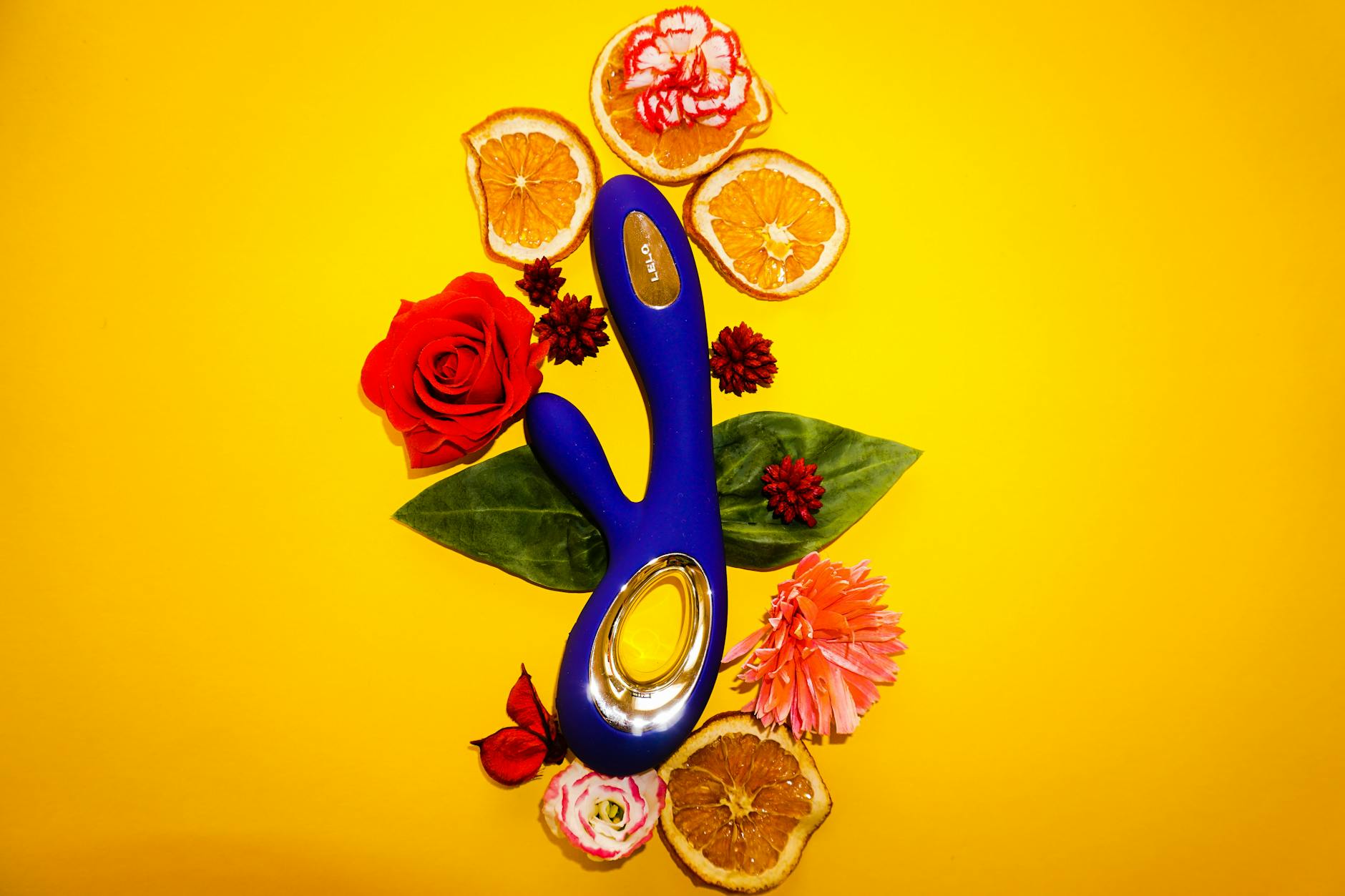
Let's name what nobody talks about
Divorce isn't just an ending. It's a rupture. And one of the hardest parts—the part therapists whisper about and divorce books skip entirely—is that your body becomes unfamiliar. You're living in the same skin, but it doesn't feel like yours anymore. Pleasure, intimacy, desire, comfort—all of it got tangled up with someone who's no longer there. So you're standing in your apartment, alone for the first time in years, and you don't actually know what you want anymore. Your body doesn't either.
That's where most people stop. They assume pleasure needs a partner to reignite. It doesn't. What it needs is time, permission, and a tool that doesn't carry years of shared history.
A lemon vibrator—specifically a clitoral vibrator like those from Helo Nancy Lems—gives you exactly that. No judgment, no memory, no obligation. Just your body, and the chance to remember what pleasure feels like when it's entirely yours.
Why touch feels scary after divorce
When a relationship ends, the nervous system doesn't get the memo that it's okay to relax. For years, your body might have been responding to someone else's touch, or worse—not responding at all if the relationship was loveless by the end. Your nervous system learned to stay on guard. Self-touch can feel guilt-ridden at first. You might hear an ex's voice, or feel the weight of marriage counseling sessions, or just go numb.
This is completely normal. It's not broken. It's protective.
What makes lemon clitoral vibrators so powerful for people in this space is that they interrupt the story. A lemon sucker toy like a Lem works on suction and gentle pulsing—not the thrusting or grinding that might carry flashbacks to partnered sex. The sensation is entirely new. Your nervous system hasn't been trained to interpret it as "couple's time" or "performance." It's just sensation, cleanly separated from your history.
The permission piece
Honestly, this is the biggest hurdle. You have to actually decide that your pleasure matters. Not eventually. Now.
There's often shame attached. Maybe you were raised with messages that solo pleasure is something to hide. Maybe your ex made you feel like wanting touch was selfish or needy. Maybe you're grieving the sexuality you had inside the marriage, and reclaiming pleasure solo feels like admitting defeat—like you're choosing solitude over connection.
Here's the truth: solo pleasure isn't the opposite of partnered pleasure. It's the foundation. When you know what your body wants, what makes you come, what rhythm works, what pressure feels good—you become fluent in your own desire. That fluency changes everything. It means you stop looking for a partner to complete you and start looking for someone to enhance what's already there. That's when relationships stop being desperate and start being chosen.
So give yourself permission. Write it down if you need to. "I deserve to feel good." "My pleasure matters." "This is healing, not avoidance." Whatever version you need.
How to start: the practical part
First, set. Your environment matters. You don't need candles and music unless those things genuinely relax you. What you need is privacy and time. Lock the door. Put your phone on do-not-disturb. Give yourself 20 to 30 minutes where nobody can interrupt.
Second, slow down. After divorce, people often rush pleasure like they're checking a box. Get to orgasm, done, move on. That's the opposite of what you need right now. What you need is to feel sensation without pressure. Start by touching yourself the way you'd touch a friend's arm—just noticing texture, warmth, responsiveness. Let arousal build slowly. If it doesn't, that's fine too. You're not chasing an outcome. You're chasing a conversation with your own body.
Third, introduce a lemon vibrator when you're ready. Start with the lowest setting. Many people working through post-divorce numbness or anxiety find that the gentle suction of a lem vibrator works better than traditional vibration—it feels less intense, more like pressure than sensation, which can help your nervous system feel safe. Run the toy slowly around the area. Notice what feels good. Move to different patterns and intensities as your arousal builds.
If you have no orgasm that first time, you haven't failed. Your body is still waking up.
Addressing the numbness
One of the most common reports I hear from clients early in separation is "I can't feel anything." Your clitoris isn't actually numb. But your nervous system is running on protective protocols. Numbness is dissociation—your mind and body separating to survive pain.
Clitoral vibrators help because they're persistent. Unlike your own hand, a Lem keeps a steady rhythm. That consistency can eventually signal to your nervous system that it's safe to engage. You're not forcing sensation. You're simply creating the conditions where sensation can emerge.
Two practices that help accelerate this: First, breathe deeply while using the vibrator. Most people hold their breath when they're nervous or numb. Breath moves sensation. Second, name what you notice without judgment. "My clitoris feels tight." "The pressure is warming." "There's numbness in my thighs." You're not trying to change anything. You're just narrating the truth. That narration helps your brain recognize sensation.
When pleasure and grief collide
Here's something nobody warns you about: sometimes when you start feeling pleasure again, the grief hits harder. You might be using a lemon vibrator, feeling good, and suddenly start crying. Or you might feel guilty for enjoying yourself when your ex is probably miserable. Or you might remember times you and your ex were intimate and feel a whole different kind of sadness.
All of that is right on schedule.
Pleasure and grief can coexist. In fact, they usually do early after a divorce. Use the vibrator anyway. If tears come, let them. If the session gets interrupted by feelings, pause and feel them. This isn't failure. This is integration. You're learning that you can feel more than one thing at once—sadness and pleasure, loss and hope, solitude and strength.
Many of my clients find that within 2 to 3 weeks of regular solo practice with a toy—using a lemon clitoral vibrator, maybe—the numbness starts to shift. Not dramatically. Just a gradual warming. Sensation returns first. Desire returns second. Confidence in your own body comes last, but it does come.
How to talk to yourself during this
What you say to yourself while you're alone with your body matters. Most divorce survivors are running a cruel internal monologue: "I'm too old," "My body is ruined," "Who would want me," "I'm pathetic for being alone." You're touching yourself while listening to that? Your nervous system won't relax. Pleasure won't flow.
Instead, practice gentleness. Not toxic positivity. Real, grounded gentleness. "My body has been through something. It's still here. It still deserves to feel good." "I'm learning myself again. This is okay." "I'm choosing myself right now. That's brave."
There's deep power in using a lemon sexual toy alone after divorce because you're making a statement with your body: "I'm not waiting for permission. I'm not waiting for someone else to make me feel alive. I'm doing this because I deserve it."
Moving at your own pace
There's no timeline here. Some people use a lemon vibrator solo for weeks before considering partnered sex again. Some feel ready after a few sessions. Some cycle between the two. There's no "right" speed.
What matters is that each time you choose pleasure for yourself, you're rewriting the neural pathway that got damaged in the divorce. You're saying to your own body: "You're not an object. You're not broken. You're just yours again."
When you're ready—and only when you're ready—to explore partnered intimacy, you'll do it from a place of wholeness, not hunger. That changes everything. You'll know what you want. You'll ask for it. You won't accept less.
That's the woman who comes out on the other side of a divorce stronger. She started with permission. She built it with a tool like a lemon clitoral vibrator from Helo Nancy Lems. She listened to her body instead of the old story. And she remembered that pleasure is her birthright, not a privilege someone else grants.
FAQ
Is it normal to feel guilty using a toy after divorce?
Completely. Divorce often leaves behind shame about sexuality, especially if the relationship ended partly around intimacy issues. That guilt isn't truth. It's a hangover. Using a lemon vibrator—or any form of solo pleasure—isn't disloyal or pathetic. It's an act of self-care. The guilt usually softens within a few sessions as your nervous system learns it's safe.
How long before sensation returns if I feel numb?
It varies, but most people notice a shift within 2 to 4 weeks of regular practice (2-3 times per week). Some feel it faster. A few take longer, especially if there's trauma layered underneath the divorce. If numbness persists beyond 6 weeks, talking to a trauma-informed therapist might help. There's no shame in getting professional support while you rebuild.
Can I use a lemon clitoral vibrator while I'm still grieving the relationship?
Yes. In fact, you should. Grief and pleasure don't have to happen in separate rooms. If you wait until you're "over it" to touch yourself, you might wait years. Your body heals through sensation, not avoidance. Use the vibrator anyway. Feel whatever comes up—sadness, relief, joy, rage. It's all part of the integration.
What if I can't orgasm solo, even with a toy?
Orgasm isn't the only win. If you're experiencing sensation, relaxation, or just the feeling of being present in your body for the first time in months, that's success. Some people take longer to return to orgasm. Some are anorgasmic for a while. That's okay. The point isn't the finish line. It's the conversation you're having with yourself along the way.
Should I tell my therapist I'm using a lemon vibrator?
If you have a good therapist—one who's not shame-based—yes. It's part of your healing. It's a tool you're using to reconnect with your body and rebuild autonomy. A good therapist will validate that. If your therapist makes you feel ashamed, you have a bad therapist. That's the feedback loop right there.
Is it weird to use toys solo when I thought I only liked partnered sex?
Not at all. Many people discover they prefer solo pleasure. Many discover they like both. Some people find that solo practice actually improves partnered sex because they know their body better. There's no "should" here. You get to decide what works for you, and you get to change your mind.
Starting over means starting somewhere. For your body, that somewhere might be permission. A locked door. 20 minutes. A lemon vibrator. And the quiet declaration that you're worth feeling good. The rest unfolds from there.
If you're working through relationship loss and want to talk about building a healthier foundation for your next chapter, reach out. You don't have to figure this out alone.