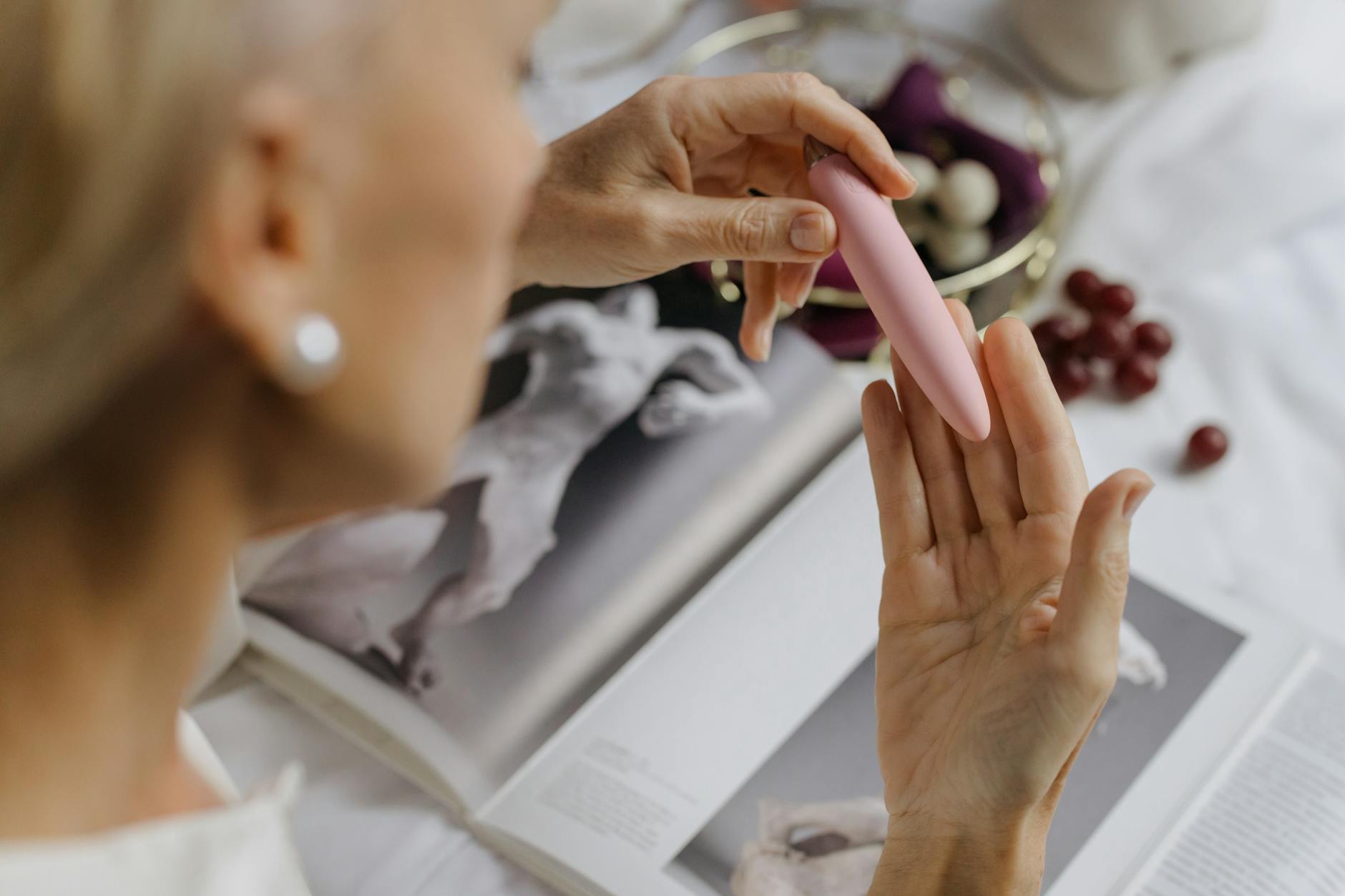
Let's be real about thyroid and sex
Thyroid dysfunction is one of the least talked-about libido killers. It doesn't arrive with the fanfare of menopause or the visibility of antidepressants. You just wake up exhausted, your brain feels like it's moving through wet concrete, and the idea of sex goes from "maybe later" to "absolutely not" in about three weeks. By the time you notice the pattern, desire has already left the building.
Here's what I see in practice: someone gets diagnosed with hypothyroidism (or Hashimoto's, which is thyroid autoimmunity), starts medication, and assumes their sex drive will snap back once levels stabilize. Sometimes it does. Often it doesn't. Not because the medication isn't working. It's working for energy and metabolism. But sexual response takes longer to recover, and it needs a different kind of support.
Why thyroid dysfunction nukes arousal (not just energy)
Thyroid hormones regulate every metabolic process in your body. That includes the ones that build neurotransmitters for arousal (dopamine, serotonin, norepinephrine), the ones that control blood flow to the clitoris, and the ones that modulate how your nervous system responds to touch.
When thyroid function drops, so does the signaling cascade that normally makes you want sex. Your vaginal lubrication might decrease because blood flow is sluggish. Your clitoris takes longer to engorge. Your brain's pleasure centers are running on reduced power. And your fatigue is real. It's not laziness. It's not relationship failure. It's metabolic shutdown.
Even after your TSH levels come back into range (the standard blood test most GPs run), arousal can lag behind for months. Sometimes longer.
The mismatch between "medicated" and "actually recovered"
One of the biggest frustrations I hear is this: "My thyroid numbers are normal now, so why don't I feel normal?" The answer is that getting your TSH into a healthy range is the floor, not the finish line. Your tissues still need to relearn how to respond. Your nervous system still needs to recalibrate. Your partner (if you have one) may still be carrying resentment from the months when sex felt impossible.
This is where a lemon clitoral vibrator like the Lem becomes genuinely useful. Not because it magically fixes your thyroid. But because it works around the problem instead of pushing against it.
How air-suction vibrators work when energy is depleted
Unlike traditional vibrators that rely on consistent physical stimulation and a lot of muscle engagement from your pelvic floor, air-suction technology (like the Lem vibrator) works by creating gentle pressure waves against the clitoris. The sensation is concentrated without being exhausting. You don't have to move your hips. You don't have to engage your core. You don't have to perform.
You just need to hold it and breathe.
For someone running on half-power due to thyroid dysfunction, that distinction is everything. You're not fighting your fatigue. You're not pretending you have energy you don't have. You're working with the actual capacity your body has right now.
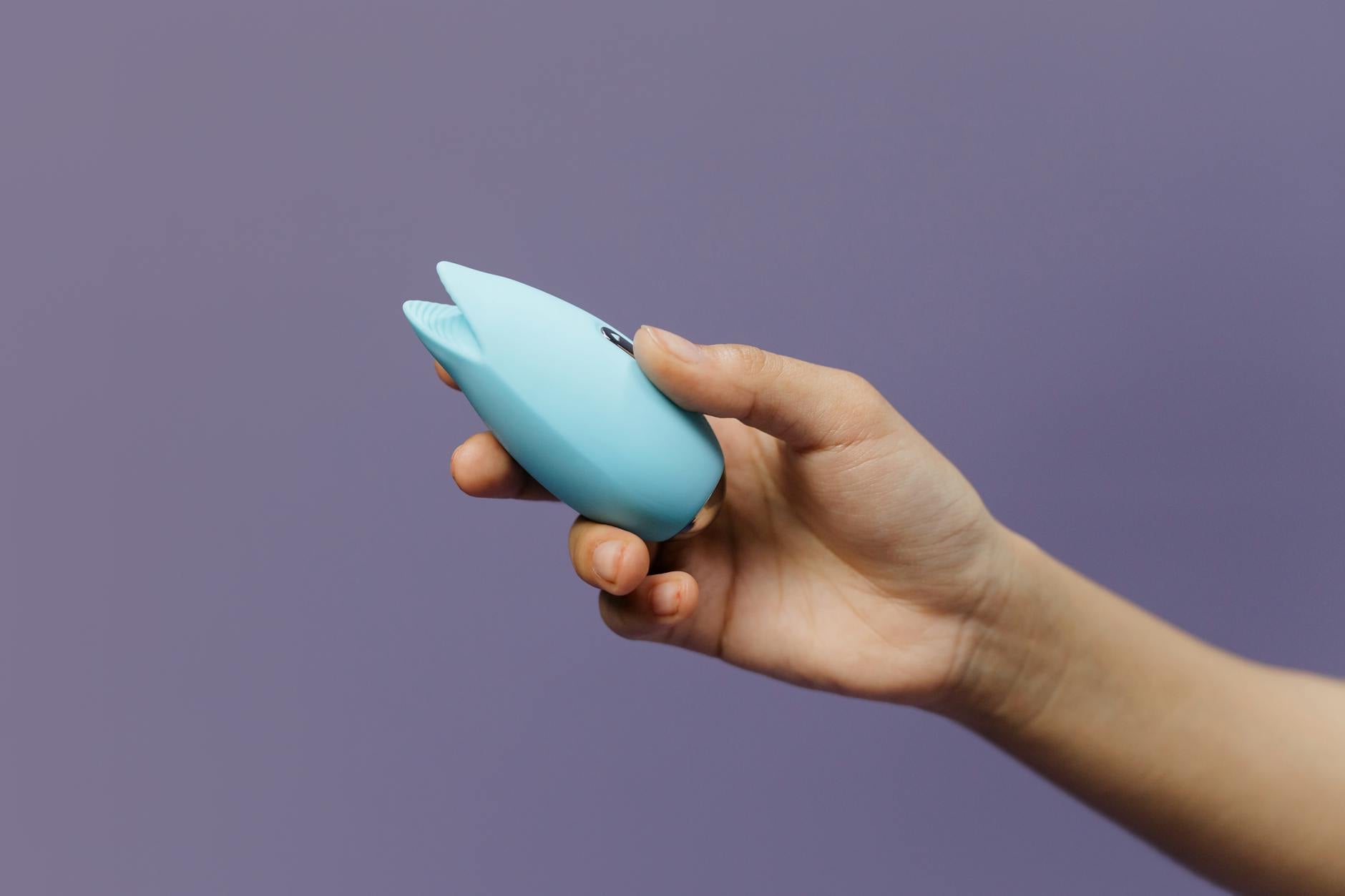
Photo by cottonbro studio on Pexels
The rhythm strategy: micro-sessions instead of marathon sex
When thyroid fatigue is real, a 45-minute sex session is a fantasy. What works is micro-sessions. 5-10 minutes. Once every other day. Just you and a clitoral vibrator in a comfortable position, without performance pressure.
This approach does three things simultaneously. First, it rebuilds the neural pathway between pleasure and your brain without depleting your energy reserves. Second, it teaches your clitoris to respond again after months of dormancy. Third, it signals to your partner (if you have one) that you're not rejecting them or the relationship. You're honoring your actual capacity.
I recommend lying down, supported by pillows so you're not using any muscles to stay upright. Start the Lem on the lowest pattern (it has five intensity levels). Give yourself 5-8 minutes without a performance deadline. If you orgasm, that's a bonus. If you just feel some pleasure or even just numbness shifting toward sensation, that's progress.
When medications themselves are blocking arousal
Here's a secondary layer to watch for: some hypothyroidism medications can interact with other medications you might be taking (SSRIs, blood pressure meds, hormonal birth control). The combination can make arousal even harder. If you're medicated for both thyroid and something else, ask your doctor or pharmacist specifically about sexual side effects. Sometimes a dose adjustment or a medication switch helps.
But don't wait for that conversation to start rebuilding pleasure. A lemon vibrator doesn't require your arousal to be at any particular level. You can use it even when you feel almost nothing. The sensation itself is often what gets the system started again.
The partner conversation: managing expectations while recovering
If you're in a relationship, your partner needs to understand that thyroid recovery isn't linear. Some weeks you'll have more energy. Some weeks you'll be back to baseline fatigue. That's not rejection. That's biology.
The conversation isn't "I want less sex." It's "My body is recovering, and here's what helps right now." Using a lemon clitoral vibrator together, or showing your partner how you use it alone, can actually strengthen connection. It signals that you're invested in pleasure and intimacy, just on a different timeline than before your thyroid issues emerged.
Sometimes the simplest invitation is: "I've been using this to reconnect with my body. Would you want to be in the room while I do?" That's not asking them to perform. That's letting them witness you reclaiming something.
Timing matters: when to expect arousal to return
Typically, thyroid medication starts improving energy in 4-6 weeks. But sexual response often trails behind by 2-3 months. That's not a failure of the medication. It's the order in which your body prioritizes recovery. Survival systems come first. Pleasure systems come after.
In clinical practice, I see the biggest shifts around month 4-5 of consistent medication use, once the macro doses are stabilized. That's when using a vibrator becomes easier because you actually have a little more fuel in the tank. But by then, you'll have already built the habit of micro-sessions, which makes that recovery smoother.
Using a lemon vibrator for sensation reconnection
One specific thing air-suction technology does well: it restores sensation awareness. When thyroid fatigue has been acute, your clitoris can feel almost numb. You might feel touch generically, but not specifically. The Lem's suction patterns create distinct sensations that many people find easier to feel than traditional vibration.
Start with the gentlest pattern. Let yourself just notice. Does this feel tingly? Numb? Warm? Uncomfortable? None of those answers are wrong. You're mapping what's actually there, not what you think should be there.
Over time, as your thyroid medication does its job and your body gets a little more fuel, that sensation mapping builds back into arousal.
Common pitfall: pushing yourself through "recovered" timing
Here's what I see people do wrong: they get their thyroid medication sorted, they read that "most people feel better in 6 weeks," and they expect their sex drive to match that timeline. When it doesn't, they feel broken. Or they push themselves to have sex before they're actually ready, which then creates resentment or numbness.
Skip that. Use the vibrator on your actual timeline, not the textbook one. If you're three months into medication and still fatigue-crashed most evenings, your 5-minute micro-session in the morning might be the only realistic window. That's fine. That works.
FAQ: Your questions about thyroid, pleasure, and vibrators
Can I use a clitoral vibrator if I'm still experiencing extreme thyroid fatigue?
Yes, but adjust expectations. You're not aiming for an orgasm or even intense pleasure. You're checking in with sensation and rebuilding the neural pathway. Even if you feel almost nothing during the session, you're signaling to your body that pleasure is still possible.
Will a lemon vibrator help if my TSH is still elevated?
No. First, get your thyroid medication dialed in properly. A vibrator can't fix thyroid dysfunction. Once your levels are stable, a vibrator becomes a useful tool for arousal recovery. Using it before your medication is working correctly is trying to fix a gas leak with air freshener.
Should I tell my partner I'm using a vibrator if we haven't had sex in months due to my thyroid issues?
Depends on your relationship agreements. But framing it as "I'm working on reconnecting with my body" rather than "I'm replacing you" changes everything. Most partners, once they understand that thyroid fatigue is a real medical issue, feel relief that you're taking action instead of avoidance.
How long until using a lemon vibrator actually leads to partnered sex again?
Varies. But the micro-session practice usually translates into partnered sex within 3-4 months, once your thyroid medication has had time to work and your arousal response has started to rebuild. The vibrator is the bridge, not the destination.
Is it normal that my orgasms feel different or less intense since thyroid issues started?
Completely normal. Thyroid dysfunction changes blood flow and nerve signaling. Once medication stabilizes your hormones and you rebuild arousal capacity, orgasm intensity usually improves. But it may not return to exactly what it was before, and that's okay. Different isn't worse.
Can I use a vibrator while still feeling depressed about my thyroid diagnosis?
Absolutely. In fact, the micro-session practice often helps with both. Rebuilding small moments of pleasure can shift mood. You're not using the vibrator to fix depression. You're using it to honor one part of yourself that still deserves attention, even while other parts are struggling.
The path forward: thyroid recovery on your actual timeline
Thyroid dysfunction is a medical problem with a medical solution. Your medication will handle the numbers. But arousal recovery? That needs something else. It needs patience, actual energy restoration, and a tool that works with your real capacity instead of against it.
A lemon vibrator like the Lem doesn't cure thyroid issues. But it does help you rebuild pleasure while your body is healing. And that's often what makes the difference between "medicated but still disconnected from sex" and "medicated and actually feeling alive again."
Your desire will come back. It just needs time, the right medical support, and permission to recover at its own pace. In the meantime, you deserve to feel something good. Even if it's just for five minutes. Even if it's gentle. Even if it's not perfect yet.
If you're struggling to navigate pleasure and intimacy after a thyroid diagnosis, that's worth discussing with a partner or a therapist. You don't have to figure this out alone. And your sexuality isn't broken. It's just temporarily offline while your body heals.