
How to Use a Lemon Vibrator With a Partner: The Communication Guide
Here's the thing about bringing a lemon vibrator into partnered sex: the device isn't the hard part. The conversation is. And it's not hard because your partner will judge you. It's hard because we've all been trained to believe that asking for what we want is somehow unfaithful, unromantic, or too much.
It's none of those things. In fact, couples who talk about toys tend to report higher satisfaction, more orgasms, and longer sexual tenure together. That's not coincidence.
I've worked with hundreds of couples navigating this exact moment. The ones who get it right don't have perfect scripts or risk-free arguments. They just start talking before the moment arrives.
Why the conversation matters more than the toy
A lemon clitoral vibrator is a tool. It has no emotional meaning until you assign it one. The meaning comes from how you introduce it, frame it, and use it together.
Some partners worry that a vibrator means they're not enough. Some worry they won't know what to do with it. Some assume their partner is bored. None of these fears are rational, but they're all real. And they don't disappear just because you bought the toy.
The conversation that happens before you use the lemon vibrator shapes everything that happens after. It's the difference between "I brought this home" and "I've been thinking about how we could both feel better together."
The best time to have this conversation
Not in the bedroom. Not right before sex. Not after you've had a drink.
The best time is when you're both relaxed, awake, and there's no pressure to perform or decide anything immediately. Sunday morning coffee. A walk. During laundry. Somewhere neutral where you can both speak freely and either of you can pause without it feeling like a shutdown.
Start with curiosity, not defense. "I've been thinking about something that might be fun for us" works. "We should try this" or "I want this" can sound demanding, which isn't what you're aiming for.
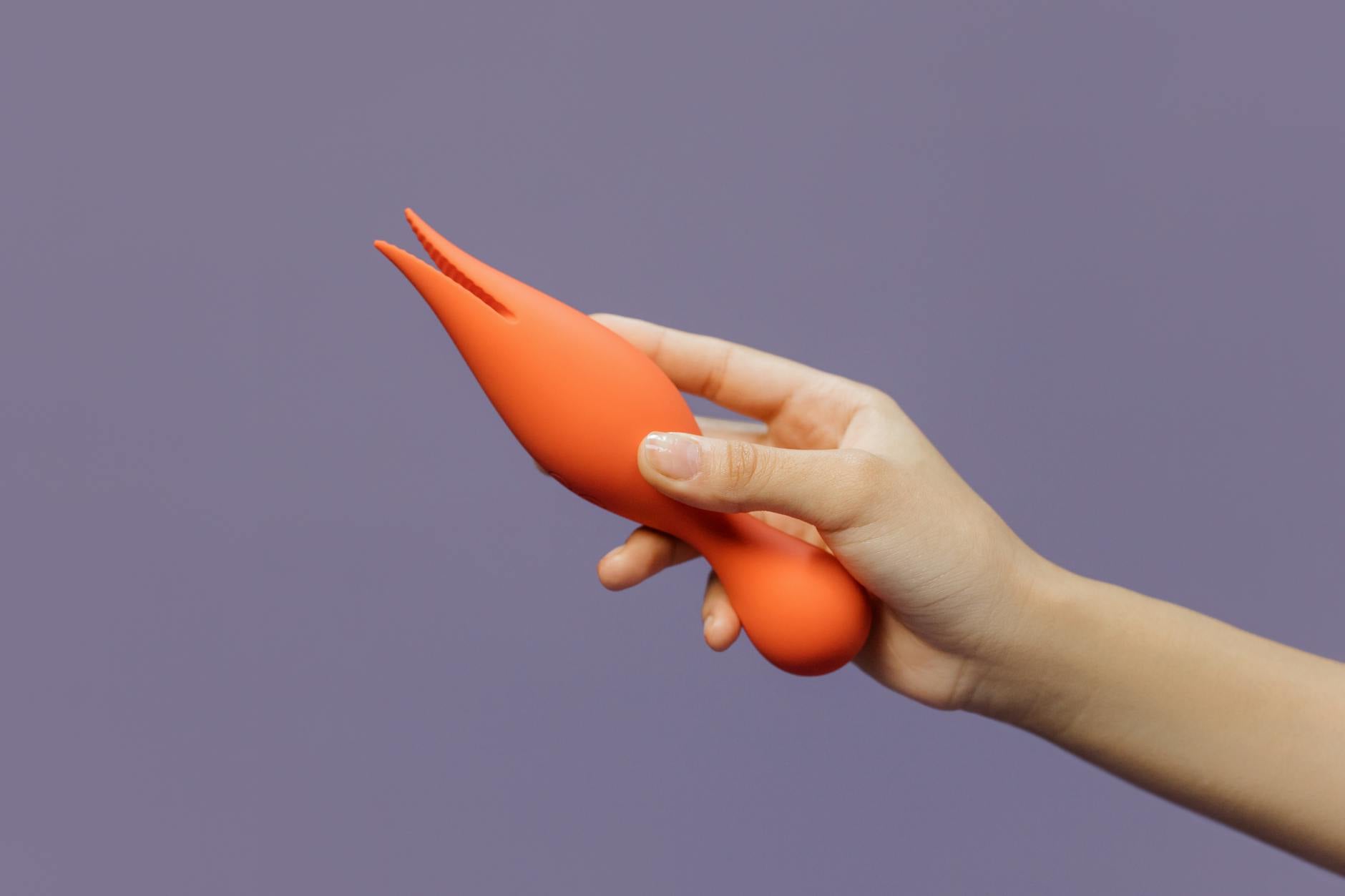
Photo by cottonbro studio on Pexels
What to actually say
Forget scripts. But here are the genuine moves that work:
Normalize the decision. "A lot of couples are using things like this. I was curious what you'd think." This isn't a boundary. It's acknowledging that this is actually normal, which it is. The American Sexual Health Association found that over 50% of men and women have tried vibrators with partners.
Separate it from your partner. "I love having sex with you. I also think this could feel good for me, and maybe for us." The lemon vibrator isn't replacing them. You're not bored. You're expanding.
Be specific about why. "I read that clitoral vibrators make it easier for me to orgasm, and I want to enjoy this more" is honest. "I think we should spice things up" is vague and often triggers insecurity. Specificity builds trust.
Make space for their feelings. "What comes up for you when I say that?" Then listen. Don't defend. Your partner might feel worried, curious, excited, or hesitant. All of those are valid. The point isn't to convince them instantly. It's to understand them.
Common fears and how to address them
"You're bored with me." You're not. Boredom would mean you stopped caring about the quality of sex. You're actually the opposite of bored. You want more pleasure, together. That's investment. Say that directly.
"I won't know what to do." This one's easy. "We can figure it out together. No pressure to know anything right now." Exploration isn't performance.
"Does this mean you're not attracted to me?" No. A lemon clitoral vibrator isn't about your partner's attractiveness. It's about your body's response. Arousal is physical and neurological. The vibrator stimulates nerve endings that your partner's hand might not reach the same way. That's anatomy, not rejection.
"What if it doesn't work for us?" Valid concern. "If it doesn't feel good, we don't have to use it. This is just experimenting." That's honest. And it takes the pressure off both of you.
The first time you use it together
Don't make it the main event. Don't plan a whole evening around it. The anticipation and pressure usually backfire.
Integrate it slowly. Use your lemon vibrator solo when your partner knows it's happening. They'll get curious. When they ask about it, you've already crossed the mental hurdle. The physical introduction feels less foreign.
When you do use it together, start with the lowest setting. Let your partner hold it or watch while you do. This isn't about them performing the vibrator. It's about them witnessing your pleasure.
Talk during. Not extensively. But "that feels good" or "a little higher" gives your partner real-time feedback and keeps them engaged. They're not watching you, confused. They're participating.
Why lemon vibrators work especially well for couples
The suction-based design of a lemon clitoral vibrator is more forgiving than a traditional wand. It doesn't require the same kind of positioning or precision. You can use it during partnered penetration without awkwardness. Your partner can stay close, inside, and present while you're using it.
That proximity matters psychologically. You're not turning away. You're turning toward each other, just with better equipment.
Many couples find that using a lemon vibrator together actually creates more connection, not less. It gives you a shared project. You're solving a pleasure problem as a team.
After the first time
Have a low-pressure debrief. "What was that like for you?" Listen. Don't jump into analysis or fixing anything.
Your partner might say it was awkward. That's okay. Awkward is the cost of trying new things. Awkward goes away with repetition and humor. "Yeah, we were both a little weird about it. That's normal."
They might say they loved it. Even better. They might be neutral. That's fine too. Not everything has to be earth-shattering to be worth keeping.
If your partner felt excluded or insecure, don't dismiss it. That's real data. Maybe you need more foreplay. Maybe you need them inside you while you're using the lemon vibrator. Maybe you need to find a position where they can watch your face, feel your body responding, stay connected.
There's no universal right way. There's only what works for you two.
Deepening the conversation over time
One conversation isn't enough. Pleasure and comfort shift. Your body changes. Your relationship evolves.
Keep checking in. "Is this still working for you?" "Do you want to try something different?" These questions signal that you're not taking each other for granted. You're staying curious.
Some couples find that regular conversations about sex actually prevent a lot of the distance that typically arrives in long-term relationships. You're talking about pleasure while you're experiencing it. You're not waiting until there's a problem.
If your partner struggles with insecurity even after the first few times, that might point to something deeper. Relationship anxiety. Trust issues. A mismatch in desire levels. Those conversations might need more support, maybe from a couples therapist. That's not weakness. That's wisdom.
The outcome nobody expects
Most couples I've worked with who bring a lemon vibrator into partnered sex report that it actually improves their overall intimacy. Not just the sexual part. The emotional part too.
Because you've had to be honest. You've had to ask for what you want. You've had to listen to your partner without defensiveness. You've had to keep showing up even when the first attempt felt awkward.
That's the foundation of real intimacy. The vibrator is just the catalyst.
People Also Ask
Can you use a lemon vibrator during penetrative sex?
Yes, absolutely. Many couples prefer this setup because your partner can stay inside you while you use the lemon clitoral vibrator on your clitoris. This keeps you physically connected and often makes orgasm more likely during partnered sex. Start with lower settings and find a position where both of you are comfortable. Communication about what feels good is key.
What if my partner is uncomfortable with toys?
Start with the conversation before the toy. Some discomfort comes from surprise or feeling judged, not from the toy itself. If your partner is genuinely opposed after a real conversation, respect that. You can still use your lemon vibrator solo. That's valid too. But sometimes the discomfort shifts once they understand why you want it and that it's not about them.
Does using a vibrator together bring couples closer?
Often, yes. Research shows that couples who communicate about sex and try new things together report higher satisfaction and lower rates of infidelity. The conversations required to introduce a lemon vibrator actually deepen intimacy because you're being vulnerable and honest about desire. That's not nothing.
How do you handle a partner who feels insecure about the vibrator?
Take it seriously. Insecurity is real data, not something to argue away. Listen first. Then offer reassurance that's specific. "I'm not bored with you. I actually want more of you, and this tool helps me feel better so I can be more present with you." If the insecurity persists, couples therapy can help both of you unpack it.
Is it okay to introduce a vibrator if we've never talked about sex before?
It's actually a great opportunity to start. Instead of a toy appearing randomly, use it as an opening to a broader conversation about pleasure, desire, and what you both want. "I'd like us to talk more openly about sex. I've been thinking about this and I want to see what you think." It's vulnerable, but it works.
What's the best way to ease into using a lemon vibrator with a new partner?
Same principle: conversation first. Mention it casually once you're past the initial sexual phase. "I have this thing I like to use during sex. Would you be open to that?" If they're curious rather than defensive, you're in good territory. Introduce it gradually. Solo use first, then having them present, then using it together. No rush.
The bottom line
Using a lemon vibrator with your partner isn't complicated. But it does require you to be honest and brave. You have to say "I want this" without needing permission. Your partner has to listen without feeling threatened.
That's the real work. And that work, honestly, makes everything better.