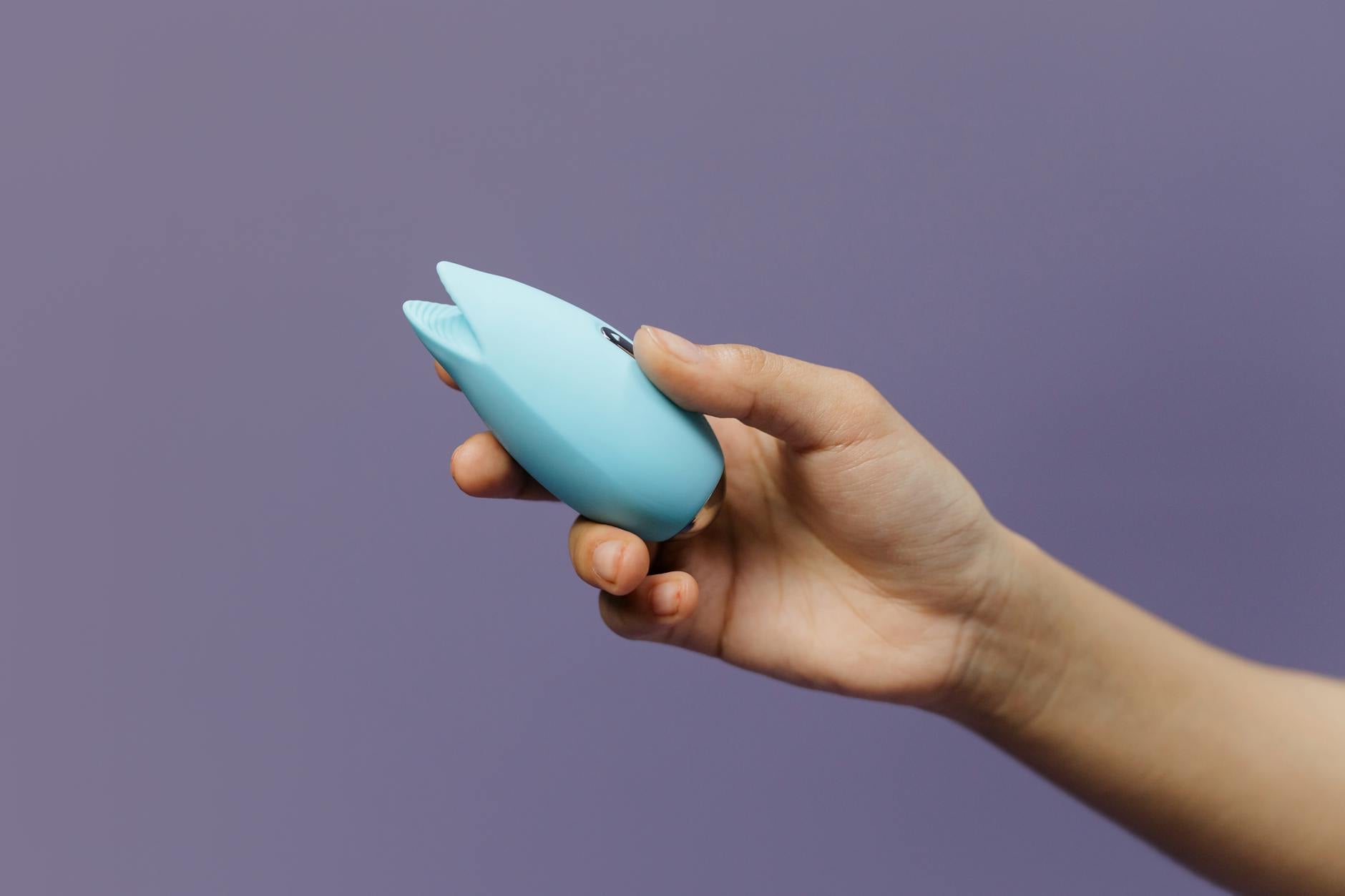
Let's start with what nobody tells you
Antidepressants save lives. They also, sometimes, make sex feel like it's happening to someone else entirely. Your brain knows what's supposed to feel good. Your body isn't getting the memo. This disconnect is one of the most frustrating side effects people experience, and it's wildly underreported because most conversations about medication side effects focus on mood and energy, not pleasure.
Here's what I need you to know first: this is fixable. It takes intention, the right tools, and sometimes a shift in approach. But people rebuild sensation all the time. And a clitoral vibrator like the Lem is specifically designed to help with exactly this problem.
How antidepressants actually affect sensation
Most antidepressants work by increasing serotonin in your brain. That's great for mood regulation. But serotonin also plays a role in sexual response. Higher serotonin can mean:
- Delayed or absent orgasm
- Reduced ability to feel physical touch
- Lower baseline arousal
- Difficulty with lubrication (for people with vulvas)
- Softer erections or difficulty maintaining them (for people with penises)
The mechanism isn't entirely understood, which is frustrating. What we do know is that SSRIs (selective serotonin reuptake inhibitors) like sertraline, paroxetine, and fluoxetine are the most likely culprits. Some people adjust after a few weeks. Others don't. And some find their sensation gradually returns while they stay on the medication.
But here's the thing nobody emphasizes: your nerve endings haven't changed. Your clitoris hasn't stopped working. Your brain's pleasure pathways are still intact. What's happening is a signal delay. A vibrator doesn't fix your medication. It compensates for that delay by providing stronger, more consistent stimulation that your brain can actually register.
Why a lemon vibrator works differently here
Not all vibrators are equal when you're dealing with medication-induced numbness. The Lem, like other quality clitoral vibrators, uses suction and pulsing patterns rather than just straight vibration. This matters because:
1. Suction reaches deeper nerve clusters. When sensation is muted, you need stimulation that gets past the surface. Suction engages a wider area of tissue and nerve endings than vibration alone, which means your brain has more signal to work with.
2. Pulsing patterns are easier to feel than steady buzz. A steady vibration can actually feel like white noise when numbness is happening. Patterns (building, pulsing, rhythmic) give your brain distinct signals to track. You can feel the pattern even if you can't feel every micro-vibration.
3. You have actual control. With a lemon clitoral vibrator, you're not just waiting for sensation to happen. You can start at low intensity, explore different patterns, speed up as you warm up. Agency itself is part of rewiring.
If you're currently using a basic vibrator and numbness is making it feel pointless, switching to something designed for sensitivity and pattern variation can be genuinely transformative.
The actual protocol that works
I want to give you something you can use tonight, not theoretical. Here's what helps my clients rebuild sensation while on antidepressants:
Start with exploration, not goal-setting. Forget orgasm. Seriously. Your brain is trying to achieve something it can't feel right now, and that pressure makes everything worse. Instead, spend 10-15 minutes just learning what you can feel. Use your Lem on the lowest setting. Notice which patterns create any sensation at all. You're not trying to come. You're mapping.
Use it every other day for two weeks, not randomly. Consistency matters. When your nervous system is muted, it needs repeated input to start waking back up. Sporadic use won't cut it. Every other day gives your nerve endings time to recover between sessions and signals to your brain that pleasure matters.
Combine it with something that wakes up your whole body. Sensation often comes back in layers. While you're using your vibrator, focus on temperature or texture elsewhere. A hot shower beforehand. Running an ice cube along your arm. Touching different fabrics. Your brain needs multiple sensory inputs to register arousal when one channel is dimmed.
Build the time slowly. Start with 10 minutes. If you feel nothing, don't panic. Your brain is learning. After two weeks, extend to 15 minutes. After four weeks, you might notice a shift. Some people feel it in two weeks. Some take three months. Patience here isn't poetic. It's practical.
Talk to your doctor about timing. Some people find that using their vibrator about two hours after taking their medication works better because they're not at peak dosing yet. Others find morning sessions easier because the medication is more metabolized. You might need to experiment. And it's worth mentioning to your prescriber that sensation loss is affecting your quality of life. Sometimes they can adjust timing, dose, or medication type.
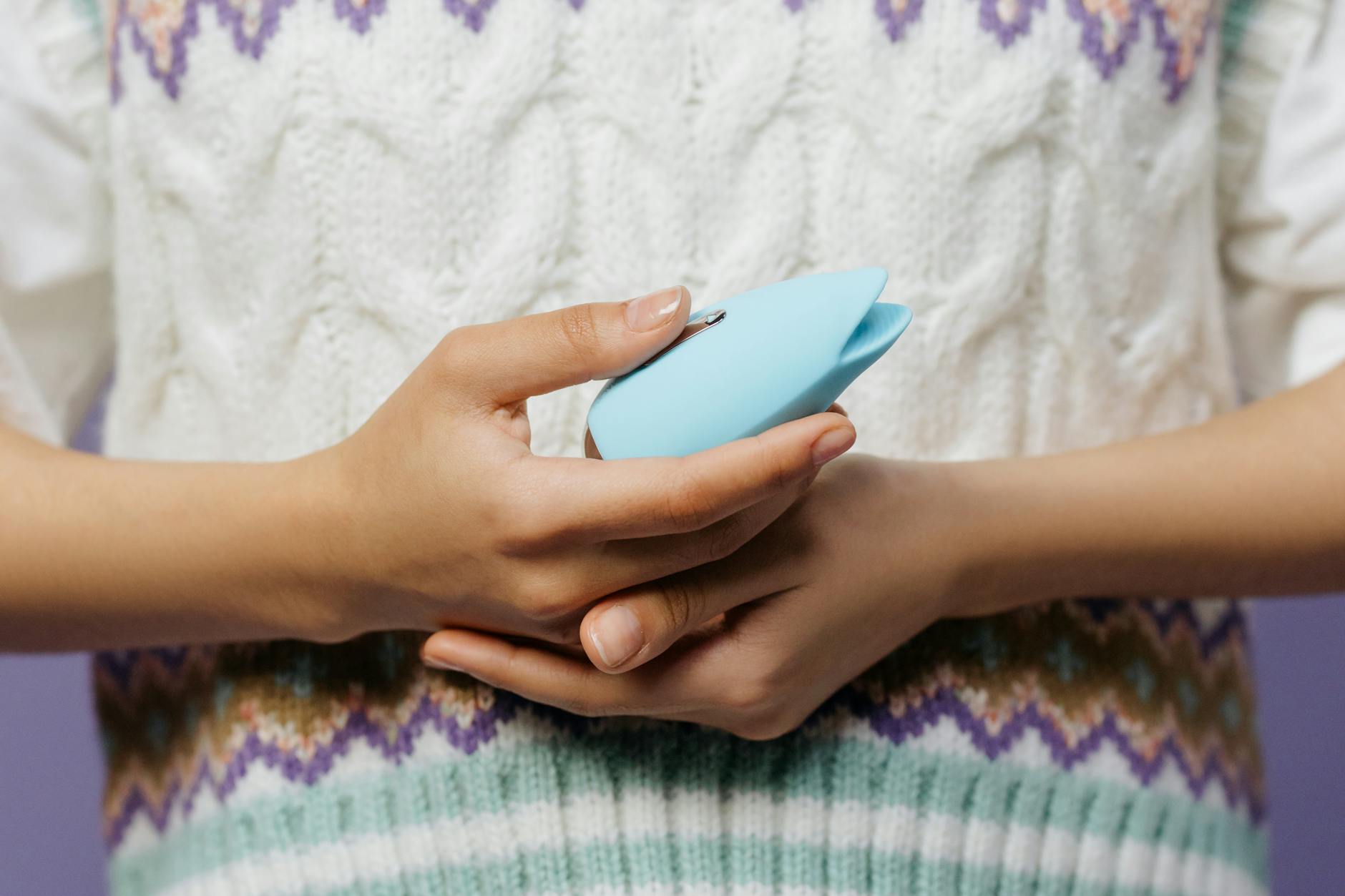
Photo by cottonbro studio on Pexels
When to switch medications (and when not to)
Let's be direct: if you're considering stopping or changing antidepressants because of sexual side effects, talk to your psychiatrist first. I cannot stress this enough. Medication changes have real consequences, and your mental health is not a thing to gamble with.
That said, if you've been on your current medication for 12+ weeks and sensation hasn't improved at all, it's absolutely worth raising with your doctor. Some options that sometimes have fewer sexual side effects include:
- Bupropion (which actually sometimes increases libido)
- Mirtazapine
- Tricyclic antidepressants
- Certain SNRIs (serotonin-norepinephrine reuptake inhibitors)
But switching isn't magic either. You might trade one side effect for another. The conversation should be: "This specific side effect is significantly affecting my quality of life. What alternatives exist, and what are the trade-offs?" Your doctor can help weigh that.
In the meantime, tools like a lemon clitoral vibrator aren't about avoiding medication. They're about reclaiming pleasure while you're healing. And honestly, that matters.
The partner conversation (if there is one)
If you're in a relationship, your partner might feel rejected when pleasure gets quiet. They might think it's about them. It's not, but it can feel that way to both people.
The most useful conversation I've facilitated goes like this: "My antidepressants are helping my mental health, but they're also making sexual sensation harder for me right now. I want us to stay connected. Using a toy like this is me working on rebuilding that, not replacing you." Then show them how you're using your vibrator. Let them understand the pattern, the patience, the process.
Some partners want to be involved. Some don't. Both are fine. But naming what's happening removes the shame and the guesswork. And sometimes, knowing their partner is actively working on pleasure (even alone, with a tool) can ease the tension that numbness creates in a relationship.
What actually takes time
Rebounding sensation isn't like flipping a switch. It's more like turning up a dimmer. Some people feel shifts within two weeks. Some take two to three months. A few find that their baseline sensation gradually improves as their body adjusts to the medication. Others plateau and then adjust their expectations.
The lemon vibrator isn't a cure for medication side effects. But it's one of the most effective tools for keeping sensation alive while your body figures things out. The patterns, the intensity options, the control. You deserve to have pleasure in your life while you're also taking care of your mental health.
That's not a luxury. That's baseline.
People also ask
How long before I feel sensation again after starting to use a clitoral vibrator?
This varies widely. Some people notice shifts within two to three weeks. Others take two to three months. It depends on your medication, your nervous system, and how you're using the vibrator. If you're using your Lem on a consistent schedule (every other day) and exploring different patterns, you're giving your body the best chance to wake up. Track what you notice, even small things like "I felt that for half a second" or "That pattern was slightly different today." Those are signs your brain is registering input.
Can I use a lemon vibrator if I'm also using other medications?
Yes, absolutely. A vibrator doesn't interact with other medications. That said, if you're on multiple medications that affect sensation (like certain pain meds or blood pressure medications), the combination might make numbness more pronounced. Worth mentioning to your doctor, though using a tool to rebuild sensation is still safe and often helpful. Your pharmacist can also tell you if drug interactions might be affecting sexual function specifically.
Should I tell my doctor I'm using a vibrator to cope with medication side effects?
Yes, if the conversation comes up naturally. You don't need to give a detailed report, but saying "I'm working on rebuilding sensation using a clitoral vibrator" is useful information. It tells your doctor you're taking the side effect seriously and being proactive, which can inform whether they think about adjusting your medication. Some doctors will have thoughtful responses. Some will be awkward. Either way, your health matters more than their comfort.
What if I'm on antidepressants and my partner wants to have sex but I can't feel anything?
This is really common and really hard. You have a few options: you can use your vibrator during partnered sex to give yourself sensation while being physically close to them. You can focus on what you do feel (emotional connection, closeness, touch that doesn't require sensation to be meaningful). Or you can ask your partner to focus on their own pleasure while you're present but not performing. Honesty here beats resentment every time. "I want to be close to you, but I'm working on rebuilding sensation. Here's what would actually feel good right now." That's not rejecting your partner. That's letting them in.
Does switching the time I take my antidepressant help with sensation?
For some people, yes. Taking your medication at a different time of day can shift when you experience peak side effects. Some people find using their vibrator in the morning (when medication levels are more metabolized) easier than at night. This is absolutely worth experimenting with, but check with your doctor before changing your medication schedule. Don't just shift it on your own. A quick call to your pharmacist can help you figure out timing that might work better.
Will using a vibrator make me dependent on it for pleasure?
No. A vibrator isn't a gateway to numbness. In fact, the opposite is often true. When you use a clitoral vibrator consistently, your nerve endings wake up. That sensation can transfer to other kinds of touch. You rebuild your baseline. Some people use vibrators for a few months, rebuild sensation, and then find they don't need the intensity level anymore. Others use them long-term because they prefer them. Neither is bad. Your pleasure, whatever form it takes, is what matters.
Final thought
Antidepressants are worth their sexual side effects if they're keeping you sane and alive. But that doesn't mean you have to accept numbness as the price. A lemon vibrator, paired with consistency and patience, is one of the most practical tools for remapping pleasure while you're also taking care of your mental health. Your body remembers how to feel good. Sometimes it just needs a clearer signal.
If you're struggling with this, you're not broken. And you're not alone. Reach out to your doctor, your therapist, or contact Helo Nancy Lems if you have questions about which tool might work best for your body. Your pleasure deserves the same care you give your mental health.