How Long Does It Take to Recover Sensation After Using a Lemon Vibrator
Let's be real. You've noticed it. That moment during sex or solo time when you think, "Wait, shouldn't I feel that more?" The panic sets in. Did I break myself? Is this permanent? Will I ever enjoy touch the way I used to?
Here's the truth: you're not broken. But vibrator desensitization is absolutely real, and it's worth understanding because the recovery path is shorter than you think.
What's Actually Happening to Your Nerves
Your clitoris contains roughly 8,000 nerve endings packed into a space smaller than a pea. When you use a lemon vibrator or any clitoral vibrator repeatedly, especially at high intensities and frequently, those nerves adapt. They stop firing as aggressively in response to the same stimulus.
This is called sensory adaptation, and it's a normal neurological response. Your nervous system is incredibly efficient. When it encounters the same input over and over, it turns down the volume so you can notice NEW input. It's why you stop noticing the hum of your fridge or the texture of your clothes.
The key word: adaptation, not damage. Your nerves are still there. They're still functional. They're just operating at a lower sensitivity threshold.
The Recovery Timeline (What the Research Actually Shows)
Most people regain baseline sensitivity within two to four weeks of taking a break from vibrator use. Some see shifts in as little as one week. Others need six to eight weeks, especially if the desensitization was severe or built up over months of heavy use.
Here's what that timeline looks like in practice:
Days 1-3: You might notice a slight uptick in sensation from manual stimulation or partner touch. This is subtle and easy to miss.
Days 4-7: Touch starts to feel genuinely different. Manual stimulation or a partner's fingers begin registering more vividly. Many people notice this by mid-week.
Weeks 2-3: Sensation continues climbing. If you've been using non-vibrating methods, you'll start feeling pleasure more intensely from lower-intensity touch.
Weeks 4-6: For most people, sensitivity is back to normal. You can return to vibrator use without triggering the same desensitization loop, especially if you vary intensity and take strategic breaks.
Why the variation? It depends on how frequently you were using the lemon vibrator, what intensity settings you favored, whether you were using it daily or several times weekly, and your individual neurological sensitivity baseline.
Why It Happens Faster Than You'd Think
The good news is that clitoral nerve desensitization is one of the fastest-recovering sensory adaptations in the body. Your nerves are plastic, meaning they respond and adapt. The nervous system is motivated to restore its sensitivity to detect threat and pleasure signals.
Unlike skin desensitization, which can take months, clitoral desensitization reverses relatively quickly because the nerves involved are highly specialized for rapid information processing. They "want" to be sensitive again.
Also, here's a counterintuitive point: complete abstinence isn't necessary. You don't need to swear off lemon clitoral vibrators entirely. You just need to change your stimulation pattern.
The Most Effective Recovery Strategy
It's not complicated, but it requires discipline.
Switch to manual or partner stimulation immediately. This doesn't mean you have to take a vow of vibrator celibacy. It means you stop using vibrators for two to four weeks while you retrain your nervous system to respond to different input. Manual touch, oral sex, or a partner's hands offer the variable, unpredictable stimulation that actually speeds up desensitization recovery.
Why variable stimulation works: it prevents the nerve adaptation that happens from repetitive, identical input. Your nervous system can't adapt to randomness the same way it adapts to a consistent pattern.
Reduce intensity gradually when you reintroduce vibrators. When you return to using a lemon vibrator after recovery, start at pattern 1 or 2 instead of jumping to pattern 6. Let your sensitivity build back to normal thresholds at a slower pace.
Space out vibrator sessions. Instead of daily use, move to three or four times weekly. This gives your nervous system recovery windows between sessions.
Try air-suction stimulation as an alternative. Lemon clitoral vibrators work through vibration. Suction-based toys like The Lem work through a completely different mechanism, so switching between them during recovery can prevent dual-pathway desensitization. This is genuinely useful if you love vibrators but want to protect your long-term sensitivity.
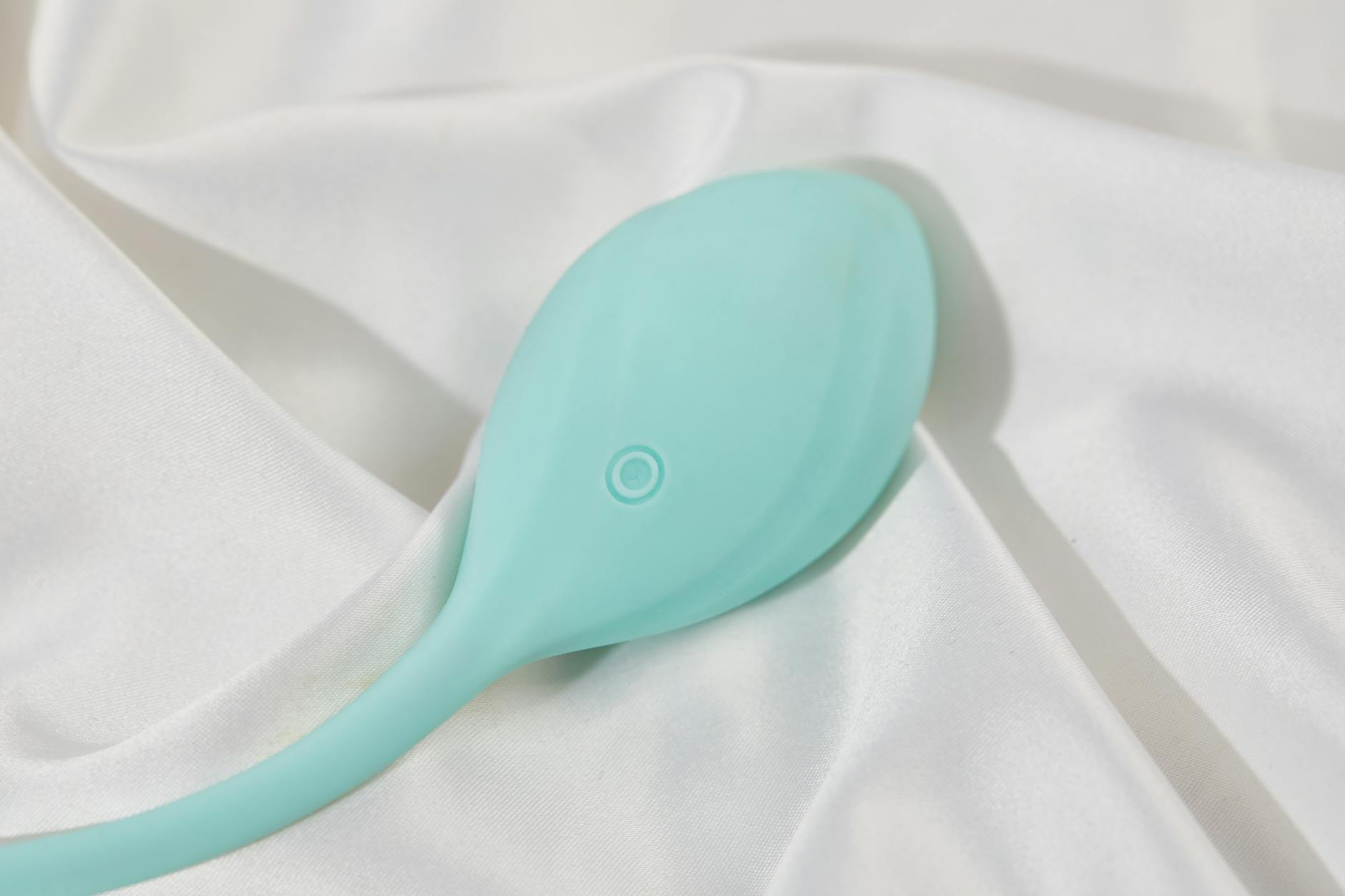
Photo by IFONNX Toys on Pexels
What Doesn't Actually Help (And Might Make It Worse)
Pushing through it with higher intensity. I know the impulse. Sensation feels muted, so you crank it to maximum. This is the opposite of helpful. You're further adapting your nervous system to higher thresholds. Stop.
Switching vibrators constantly. You think changing toys will "trick" your nerves. It won't. Swapping between five different lemon sexual toys every day is still repetitive stimulation. Your nervous system adapts to vibration in general, not just your specific device.
Waiting passively without changing your pattern. Some people take a break but then slip right back into the same usage habits. Within weeks, the desensitization returns. Recovery works because you're actively retraining your nervous system with different input.
The Prevention Angle (So You Don't Cycle Through This Again)
If recovery seems annoying (it's not, but I get the impulse), prevention is easier.
Vary your tools. Vibrators, suction, manual, partnered touch. No single device all the time.
Respect intensity ceilings. Just because your lemon vibrator has eight patterns doesn't mean you need to live at pattern 7. Most people find that patterns 2-4 feel incredible and sustainable. You're not missing out by not maxing it out.
Build in breaks. A scheduled day off weekly is genuinely enough. You don't need a full week every month, just one day where you skip vibrator use entirely.
Listen to your sensitivity curve. If you notice that stimulation feels less intense than it used to, that's your signal to change something now, not next month.
When to Actually Worry (And When Not To)
Desensitization from vibrator use isn't the same as loss of sensation from medical conditions. If you experience sudden numbness, pain during touch, or loss of sensation that persists beyond eight weeks despite changing your stimulation pattern, see a gynecologist or sexual health specialist. That's not vibrator desensitization. That's something that warrants professional input.
Normal desensitization reverses within weeks. Permanent or progressive numbness doesn't.
Also, if you're on antidepressants that affect clitoral sensitivity, vibrator desensitization can be harder to reverse. If that's your situation, talk to your prescriber about whether an adjustment might help. Separately, lemon clitoral vibrators can actually help restore sensation after antidepressant-related desensitization if you're strategic about it, though that's a different recovery path than what we're discussing here.
The Bottom Line
Your sensitivity isn't gone. It's asleep. And it wakes up faster than you'd expect. Two to four weeks of varied, non-vibrator stimulation, combined with reduced intensity when you return to toys, restores clitoral sensation for most people. Stick to that, and you're back to baseline.
The bigger insight: your nervous system is designed to adapt. Use that design intentionally. Mix your stimulation, respect your sensation signals, and you'll never cycle through desensitization recovery again. Your pleasure isn't fragile. You just have to respect how it works.
If you'd like to explore how to use tools like a lemon vibrator sustainably or how air-suction alternatives might protect your sensitivity long-term, we're here to talk through it. Your questions about pleasure matter.
People Also Ask
How do I know if I have vibrator desensitization or if something else is wrong?
Vibrator desensitization shows up as a gradual reduction in sensation specifically during or after vibrator use. You feel normal touch fine, but vibrator stimulation feels muted. If you switch to manual stimulation and sensation returns to normal within days, it's desensitization. If numbness persists across all types of touch or comes on suddenly, that's medical and worth mentioning to a doctor.
Can I still use vibrators if I'm recovering from desensitization?
Yes, but differently. During recovery weeks, skip vibrators entirely. Once sensitivity returns, reintroduce vibrators at lower intensities and space sessions out. Think of it as rebuilding tolerance sustainably rather than shocking your system back to maximum.
Is air-suction stimulation like The Lem better for preventing desensitization than traditional vibrators?
Not inherently better, just different. Suction works through a different neural pathway than vibration, so switching between them prevents dual-pathway adaptation. If you love vibrators, mixing in suction occasionally is smarter than vibrator-only stimulation.
How long before I notice sensitivity coming back?
Most people feel a shift within three to seven days of stopping vibrator use and switching to manual stimulation. By week two, the difference is obvious. Full recovery typically takes two to four weeks, though some people need longer.
Should I tell my partner about vibrator desensitization?
That depends on your relationship and whether they're involved. If you have a partner and you're addressing it together, a simple "I noticed vibration feels less intense, so I'm switching to manual for a few weeks to reset" is clear and practical. No shame needed. It's just how your nervous system works.
Is vibrator desensitization permanent if I keep using vibrators the same way?
No, but the cycle repeats. If you go back to daily use at maximum intensity after recovery, you'll desensitize again within weeks or months. Prevention is about sustainable patterns: variety, lower intensities most of the time, and scheduled breaks. That protects your long-term sensitivity.