The performance trap nobody talks about
Performance anxiety is not about your body. It's about the conversation happening in your head while your body is trying to do the thing. You're thinking about whether you're taking too long. Whether your partner is getting bored. Whether you're doing it "right." Meanwhile, your nervous system is basically screaming "DANGER" because all that mental noise has convinced your body that this is a threat, not pleasure.
The cruel part: the harder you try to relax, the worse it gets. You can't think your way out of a nervous system problem. And when your partner is right there watching, waiting, hoping you'll get there, the pressure compounds.
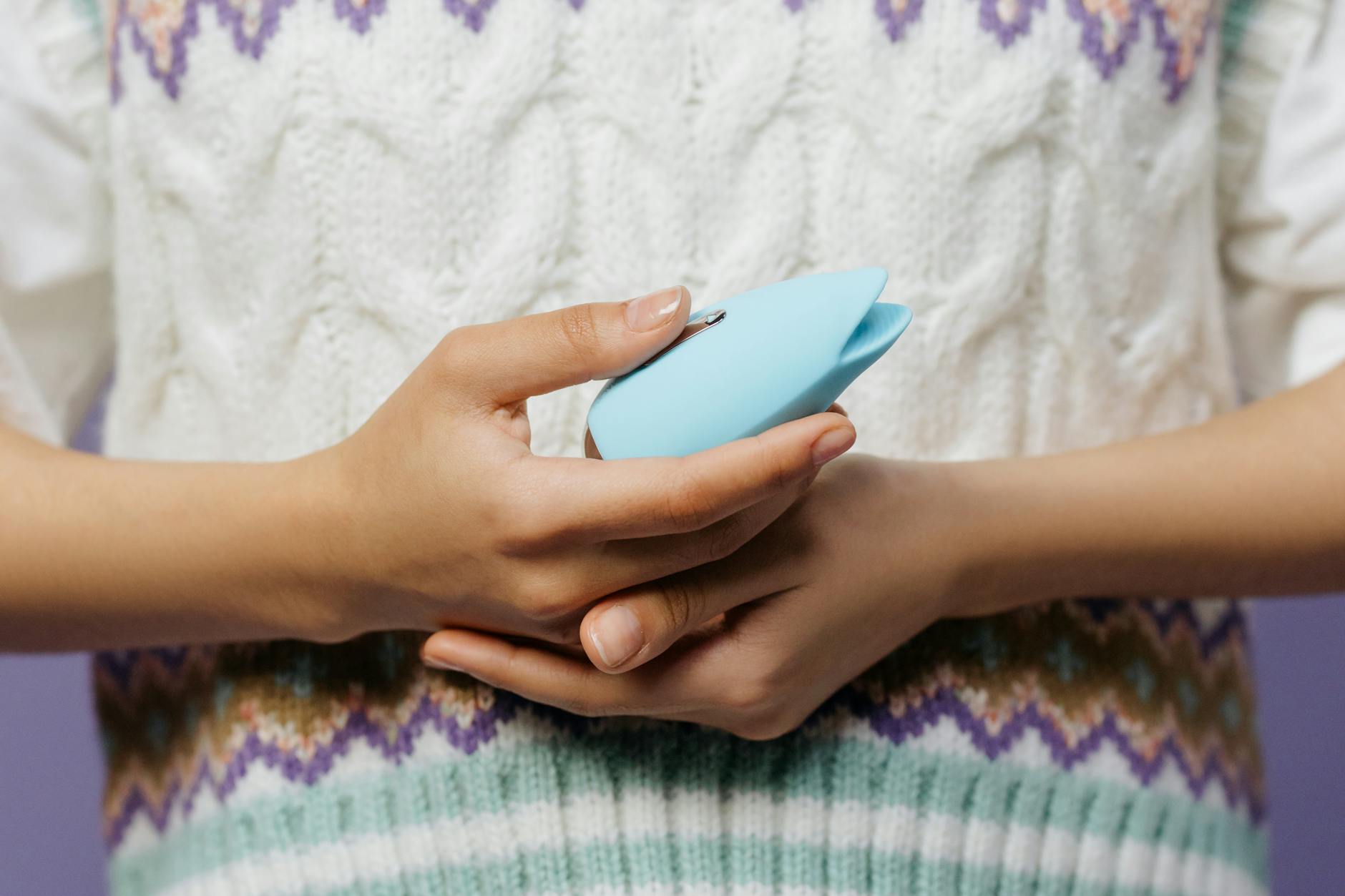
Here's what nobody tells you. A lemon vibrator changes the equation entirely. It's not about replacing your body's capacity. It's about giving your brain permission to stop the performance audit and actually feel something.
Why performance anxiety tanks arousal
When you're anxious, your sympathetic nervous system is in charge. That's your fight-or-flight response. Blood pools in your brain and limbs, away from your genitals. Your muscles tense. Your mind races. It's literally impossible to orgasm from that state, and your body knows it. So it doesn't even try.
The other layer: you start catastrophizing. "What if it doesn't happen?" becomes "It won't happen," which becomes "I can't do this." Your partner senses your tension. They get anxious too, wondering if they're the problem. Now you're both stuck in a feedback loop of worry.
This is where lemon clitoral vibrators actually solve a mechanical problem. The suction pattern of a lemon vibrator like the Lem bypasses a lot of the performance pressure because it provides consistent, intense stimulation that your hand alone might struggle to maintain under pressure. Your brain gets to step back and your body gets to respond.
Breaking the mental loop before it starts
Have the conversation before you're naked. Seriously. Tell your partner: "Sometimes my brain gets in the way. I want to use a vibrator not because anything's wrong with you, but because it helps me stop overthinking and actually feel."
The best partners will hear this as relief, not rejection. It takes pressure off them too. They don't have to be the sole source of stimulation. They can focus on connection, presence, and touch in other ways.
Then, establish this boundary: the vibrator is not a sign that something went wrong. It's a sign that you're prioritizing pleasure over performance. There's a massive difference. One is you failing. The other is you winning.
Practical setup that actually reduces anxiety
Start with the vibrator already in the room before you start. Don't introduce it mid-session when you're already frustrated. The surprise factor creates more performance pressure, not less.
Choose the setting before you begin. With a lemon clitoral vibrator, you've got options. Start at a mid-range pattern (around 3-4) rather than jumping to the most intense one. Your nervous system doesn't need maximum sensation right now. It needs enough stimulation that your brain can't maintain the anxiety narrative.
Have your partner's hands somewhere else. On your chest. Your thigh. Your back. Skin contact keeps you connected and reminds your nervous system that this is safe, while the vibrator does the technical work. This is crucial: your partner stays present but doesn't have to "perform" the stimulation.
The reframe that changes everything
You're not using a lemon vibrator because you're broken. You're using it because you respect your own nervous system and you want the experience to feel good for both of you. That's powerful. That's actually the most confident thing you can do.
Performance anxiety thrives in silence and shame. It dies when you name it, talk about it, and then build a plan that works. A lemon clitoral vibrator is part of that plan, not a failure within it.
Most partners find it wildly sexy that you know exactly what you need. That you communicate. That you've thought this through. The vulnerability of "my brain gets in the way sometimes" followed by "and here's what helps" is the opposite of a turn-off.
What happens after the first time
Your nervous system learns a new pattern. You learn that you can feel good even when your brain tried to convince you otherwise. That's huge. The next time performance anxiety creeps in, you'll remember: oh, I know how to handle this. You've already proven to yourself that it's possible.
Some people find that after a few sessions where the vibrator removes the pressure, they don't need it anymore. Others keep using it because it just feels better. Both outcomes are completely fine. The point is that you're not dependent on it. You're choosing it.
If your partner struggles with the presence of a vibrator at first, that's okay too. Give them time. Many of my clients report that their partners became huge advocates after realizing it made the entire experience more relaxed and connected. You're not competing with the vibrator. You're using it together.
When to talk to a therapist
If performance anxiety is severe enough that it's affecting your relationship or your self-worth, a sex therapist or couples counselor is genuinely worth it. I say this as someone trained in relationship work: this stuff is treatable. You don't have to white-knuckle your way through intimacy for years.
Cognitive behavioral therapy works really well for performance anxiety. So does couples therapy that focuses on communication and vulnerability. And sometimes a combination helps most. The point is: this is not a character flaw. It's a nervous system pattern, and patterns can change.
A lemon vibrator is a tool. Therapy is another tool. Both work better together than either does alone.
FAQs
Will my partner feel less involved if I use a lemon clitoral vibrator during sex?
Not if you set it up right. In fact, most partners report feeling more connected because you're more relaxed and present. You're not in your head. You're with them. The vibrator handles the technical stimulation while your partner handles the intimacy. Those are two different jobs, and separating them often makes both better.
How do I bring up using a lemon vibrator when I'm already anxious about sex?
Start the conversation fully clothed, not in bed. Say something like: "I've noticed performance anxiety sometimes gets in the way for me. I want to try using a vibrator to help me relax and stay present with you. Are you open to that?" Most partners appreciate the honesty and the fact that you're problem-solving instead of suffering in silence.
Can a lemon clitoral vibrator actually help if my anxiety is really severe?
It can help, but it's not a replacement for addressing the anxiety itself. A vibrator removes one barrier. Therapy addresses the root. If your anxiety is tied to relationship issues, body image, trauma, or deep-seated beliefs about sex, you'll benefit most from professional support alongside the practical tools.
What if my partner doesn't want me to use a vibrator?
That's information worth sitting with. Ask them why. Is it about feeling replaced? About vulnerability? About needing time to warm up to the idea? Understanding their concern helps you address it. Sometimes education helps. Sometimes compromise helps. Sometimes you realize you need a couples therapist to work through this together.
Does using a lemon vibrator mean I'll always need one to orgasm?
No. Your body's capacity doesn't change. What changes is your confidence and your nervous system's learned response. Some people find they don't need it after a while. Others keep using it because they like it. Neither path means you're dependent. You're just making choices about what feels good.
How do I know if the anxiety is about my partner or about me?
Performance anxiety is usually about you and your own internal narrative, not your partner. But it can be worsened by relationship issues, lack of trust, or feeling pressure from your partner. If you feel safe, heard, and like your pleasure actually matters to your partner, that removes a lot of the anxiety fuel. If you don't feel those things, that's a separate conversation worth having.
Performance anxiety doesn't mean you're broken. It means you're human. And using a tool like a lemon vibrator while you work on the deeper stuff is genuinely smart. Your pleasure matters. Your peace of mind matters. Your connection with your partner matters. A vibrator can help protect all three.
If you want to deepen this work further, we're here to help. Contact us if you'd like guidance on communication strategies or product recommendations tailored to your situation.