
Let's talk about the weirdest part of new relationships
You've got your lemon vibrator. You know exactly how it works. You've used it with your previous partner a hundred times, and your body responded the same way every time. Then you're with someone new, and suddenly the same device feels completely different. Not better necessarily. Not worse. Just... unfamiliar.
This isn't in your head, and it's not a sign that something is wrong. Your nervous system is literally responding differently because the context has changed. Let me break down what's happening in your body and brain when you introduce a lemon sexual toy into a new intimate relationship.
The nervous system shift
Here's the thing about pleasure. It's not just genital. Your entire nervous system is involved in how sensation gets processed. When you're with a new partner, your autonomic nervous system is in a different state than it was with someone familiar.
With a long-term partner, your parasympathetic nervous system (the relaxation branch) can drop into a baseline of safety. You know their touch, their rhythm, their presence. Your body doesn't have to allocate mental energy to assessment or curiosity.
With a new partner, even if you trust them and want to be there, your sympathetic nervous system is slightly activated. This is evolutionary. Your brain is still gathering data. It's checking for safety. It's processing novelty. This heightened arousal state actually changes how your vulva and clitoris respond to stimulation. Blood flow patterns shift. Sensitivity heightens in some areas and dulls in others. Your lemon clitoral vibrator isn't different, but your nervous system's interpretation of its sensation absolutely is.
The vulnerability variable
You also have fewer layers of protective armor with someone new. Vulnerability takes time to build. With a long-term partner, you've likely negotiated what feels safe to ask for, what patterns work, what's awkward and funny instead of mortifying.
With someone new, there's often an unspoken performance element, even if you're consciously rejecting it. Will they judge you if the lem vibrator is intense? Will they think you're inexperienced if you need warm-up time? Will they feel replaced by the toy? These questions don't always reach consciousness, but your nervous system is holding them.
That underlying tension changes everything about sensation. Your pelvic floor might be slightly more guarded. Your ability to relax into sensation might be conditional. You might be partially focused on their experience instead of fully present in your own. And all of that changes how a clitoral vibrator feels.
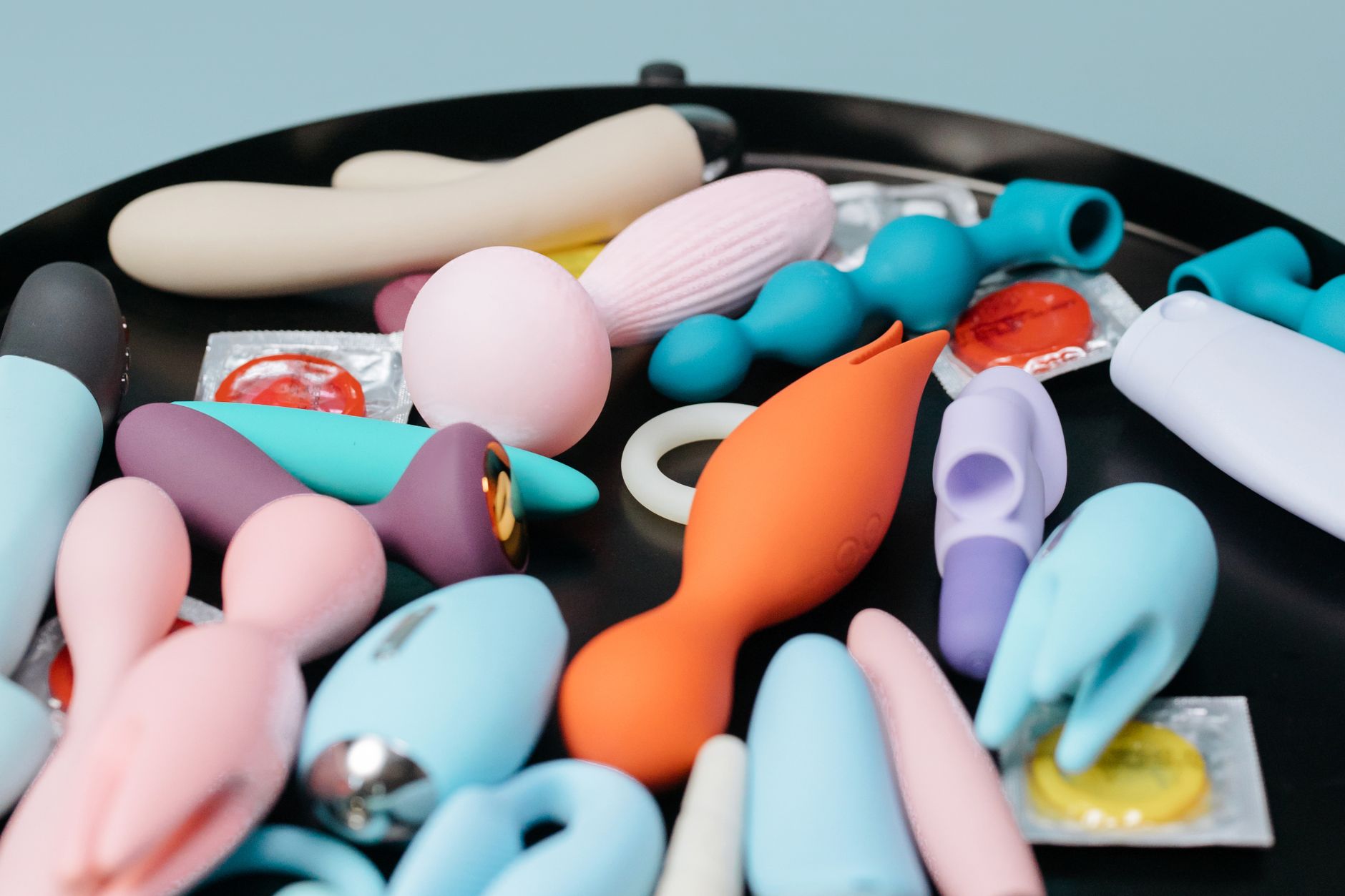
Photo by cottonbro studio on Pexels
The arousal timeline difference
With a familiar partner, arousal has a baseline. You often know what gets you there, how fast it happens, what the plateau feels like. With someone new, arousal doesn't follow the same script. It might be faster because of novelty and excitement. It might be slower because trust is still building and distraction is easier.
When you introduce a lemon vibrator into a relationship that's still settling into its rhythm, the device is meeting you in a different arousal state than it would have met your previous partner. This matters hugely. The sensitivity of your clitoris, the responsiveness of your entire vulva, the speed at which you can build to orgasm. These things are state dependent, not fixed.
If arousal is slower with this new partner, you might feel like the toy isn't working as well. In reality, your body is just operating in a different mode. It might need longer warm-up. It might need different patterns. It might respond better to simultaneous penetration. The lem vibrator is the same, but the context is entirely different.
What about desire
Desire is often higher in new relationships because of dopamine and novelty. But desire and arousal aren't the same thing. You can want something and have your body move slower in meeting that desire. You can be mentally excited and have your physical response feel muted. This is especially true if some part of you is nervous, even slightly.
I see this in my practice all the time. People say, "I really want this, so why does it feel less intense than with my ex?" The answer is usually that wanting something and being able to fully relax into it are different processes. Wanting requires desire. Relaxing requires safety and time.
The comparison trap
One of the most dangerous parts of this transition is the comparison. You've got reference data from your previous relationship. You know how your body responded to a lemon clitoral vibrator then. So when the sensation feels different now, the temptation is to measure it against that baseline and decide something is wrong.
Something isn't wrong. You're a different person with a different partner in a different context. That's not degraded. It's not an emergency. It's just human.
How to navigate this practically
First, talk about it. Not in a heavy way necessarily, but honestly. "Hey, I love this toy, but I'm noticing my body responds to it differently with you than it did in my past relationship." A partner who cares about your pleasure will see this as information, not criticism.
Second, treat the beginning of a new relationship like you're learning your lemon vibrator for the first time. Don't assume you know what settings will feel best or what speed you prefer. Let your body tell you. This is actually a gift. You get to discover this person and this toy together.
Third, give your nervous system time. Safety builds slowly. The fact that your parasympathetic nervous system isn't fully relaxed yet doesn't mean the relationship is wrong. It means you're new to each other.
Fourth, use lube generously. When you're navigating something new, lubrication becomes even more important. It reduces friction and allows your body to respond to sensation instead of managing pressure. Water-based lube works well with silicone toys and takes pressure off an already hypervigilant nervous system.
The good news
As this relationship deepens and your nervous system registers genuine safety with this person, the sensation will shift again. Not back to exactly what it was with someone else. That's not the goal. The goal is to discover what pleasure feels like in this specific relationship.
Many people tell me that their most intense and satisfying experiences with lemon adult toys have come not in the early stage of a relationship, but in the phase where trust is deep and novelty has settled into genuine familiarity. Your body will respond differently then too. Better, often. More integrated. Less guarded.
Right now, in this new chapter, you're not supposed to feel exactly what you felt before. You're supposed to feel something new. That's actually the whole point.
FAQ
Why does my clitoris feel less sensitive with a new partner than it did solo?
Your clitoris doesn't change, but your nervous system does. Arousal state, safety perception, and attention all shift sensation. When you're with someone new, even if there's desire present, a small part of your nervous system is still gathering data about safety. This divides your attention slightly and can mute sensation. This typically resolves as trust builds. Give it time rather than assuming you've lost sensitivity.
Can a new partner using the same lemon vibrator with me change how the toy feels?
Absolutely. The presence of a partner changes your baseline arousal state, your sense of vulnerability, and your ability to fully relax into sensation. The toy itself is identical, but your nervous system is processing the same stimulation in a completely different context. This isn't about the toy being better or worse with them. It's about how your entire body responds to being intimate with someone new.
Should I tell my new partner about my experience with lemon sexual toys from past relationships?
Yes, eventually and honestly. Not on date one, but once you're in the realm of physical intimacy, transparency helps. Something like "I've used toys before, I know what I like, and I'd love to explore together" removes mystery and sets a collaborative tone. Partners who want your pleasure will appreciate knowing that you understand your own body.
Does the lem vibrator work differently based on the partner using it with me?
The vibrator itself doesn't change, but your body's response to it does. How you're holding it, the angle, the pressure, the surrounding context. All of these shift with a new person. This is why communication is so important. What felt perfect with one partner might need adjustment with another, and that's completely normal.
How long does it take for sensation to feel "normal" again with a new partner?
There's no fixed timeline. For some people, weeks. For others, a few months. It depends on how quickly your nervous system registers safety with this specific person. Some relationship dynamics build safety faster than others. Rather than waiting for sensation to return to a previous baseline, try to notice when you're relaxing more and responding more freely. That's the marker that something is shifting.
What if my lemon clitoral vibrator still feels different after months with this new partner?
That's worth exploring with some honesty. If trust genuinely exists and your nervous system is registering safety, but sensation is still muted, the issue might not be about the newness. It could be about the relationship itself. Are you truly safe with this person emotionally? Does the dynamic allow vulnerability? Sometimes our bodies know things our conscious minds haven't fully processed yet. That's when a conversation about what's actually happening between you might help more than any adjustment to the toy.
What comes next
Pleasure in a new relationship isn't about replicating what came before. It's about discovering what's possible when two new people learn each other's bodies and rhythms. Your lemon vibrator is just a tool in that discovery. The real work is building the safety and trust that allows your nervous system to relax enough to fully feel sensation. That takes time. And it's worth it.