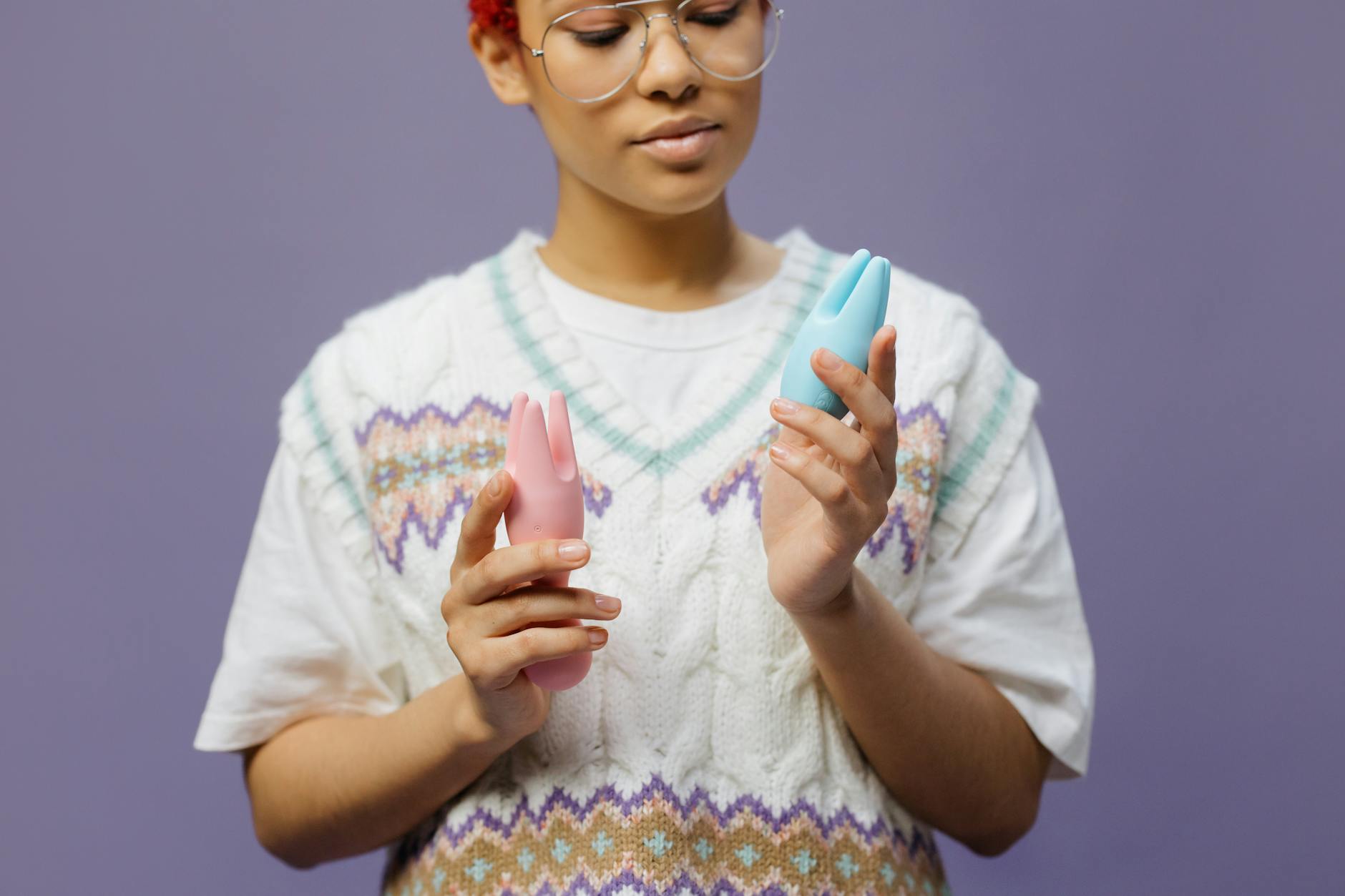
Let's talk about what traditional vibrators actually do to sensitive skin
Most vibrators work through direct oscillation. They press against your skin and buzz back and forth, sometimes hundreds of times per second. If your vulva is reactive, inflamed, easily irritated, or just naturally sensitive, that constant mechanical friction can feel abrasive instead of pleasurable. You might experience rawness, temporary numbness, or a kind of overstimulated soreness that lingers after play.
That's not a you problem. That's a tool mismatch.
Lemon vibrators use a completely different mechanism. They rely on gentle suction and pulsation instead of vibration. This distinction matters enormously for sensitive tissue because it changes the entire physics of how stimulation reaches your nerves.
How suction-based lemon clitoral vibrators differ from traditional vibrators
When you use a traditional vibrator, the stimulation is direct. The device touches your clitoris and vibrates. Your tissue absorbs all that mechanical force. If your vulva is sensitive to friction, hyperresponsive to pressure, or dealing with inflammation from conditions like vulvovaginitis or lichen sclerosus, that direct contact can backfire fast.
A lemon vibrator (or lemon sucker, as they're sometimes called) works differently. It creates a gentle seal around the clitoral area and uses gentle pulsing waves of suction. Instead of friction against skin, you get a rhythmic pulling sensation. This activates different nerve endings. Your clitoris has roughly 8,000 nerve endings concentrated in a tiny area, and different types respond to different stimuli. Suction activates a distinct subset that traditional vibration doesn't always reach as effectively.
The practical upshot: you get intense, focused stimulation without the mechanical wear and tear.
The tissue protection factor
Here's what I see with clients who switch from traditional vibrators to lemon clitoral vibrators. Their skin stays calm. No post-play redness. No that-worn-out feeling that sometimes takes hours to fade.
This happens for three reasons.
First, suction distributes pressure across a slightly larger surface area. Instead of one vibrating point drilling into one spot, you get a gentler pull across the whole vulvar area. Second, because the device isn't scraping or moving against skin, there's no friction burn accumulation. Third, the sensation itself often satisfies faster. People with sensitive tissue report reaching orgasm more quickly with suction-based tools, which means less total contact time and faster recovery.
If you've been dealing with constant low-grade irritation from vibrator use, switching to a lemon vibrator can feel like relief.
When sensitive skin is a dealbreaker with traditional tools
Certain conditions make traditional vibrators genuinely uncomfortable or unsafe. Lichen sclerosus, vulvodynia, post-surgical sensitivity, thrush recovery, or even just naturally thin vulvar tissue all benefit from gentler stimulation methods. A lemon sucker doesn't eliminate sensation. It redirects it. You still get pleasure, intensity, and orgasm. You just get there without the abrasion.
I've also worked with clients on topical treatments for conditions like lichen sclerosus, and they often report that lemon vibrators feel safer during active treatment than traditional vibrators do. The absence of friction means less irritation of already-compromised tissue.
If you've had negative experiences with vibrators in the past, it's worth considering whether the vibrator design itself was the issue, not your capacity for pleasure.
Lubricant compatibility and skin safety
Traditional vibrators, especially silicone ones, have material constraints. Silicone-based lubricants can damage silicone toys, so you're often locked into water-based lube if you want to protect your device. Water-based lubes work, but they dry out faster and can feel thin on sensitive tissue.
Most lemon vibrators are also silicone, so the same rules apply. But here's the practical difference: because suction-based stimulation doesn't rely on friction the way traditional vibrators do, you often need less lubricant overall. Less lubricant means less chance of buildup or irritation from lube ingredients themselves.
If you have sensitivities to common lube additives (glycerin, nonoxynol-9, fragrance), a lemon vibrator paired with a minimal, clean water-based lubricant often works better than a traditional vibrator because you're using less product overall.
The desensitization question
A common concern I hear: won't I lose sensation faster with a vibrator, especially if I'm already dealing with sensitive skin? The logic seems backwards, but here's the real answer. Desensitization typically happens from repeated overstimulation. If a tool is too intense or causes micro-irritation, your nervous system can actually downregulate sensation as a protective mechanism.
Gentle, consistent stimulation that doesn't stress your tissue typically doesn't cause the same desensitization. If anything, lemon vibrators preserve sensation because they're not creating that defensive irritation response.
That said, here's what helps: cycle tools, vary intensity, and take breaks. Using a lemon vibrator three times a week at medium intensity is gentler than using a traditional vibrator once a week at high intensity.
How to transition if you're coming from traditional vibrators
If your past vibrator experiences have been uncomfortable, ease into a lemon vibrator slowly. Start at the lowest setting. Let your body adjust to suction-based stimulation, which genuinely feels different. Spend time exploring solo before bringing a partner into it, if that's relevant for you.
Also reset your expectations around pressure. A lemon vibrator isn't supposed to feel like a jackhammer. If you're used to intense, friction-heavy vibration, the first time you use a suction-based tool might feel underwhelming. Give it three or four sessions. Most people find that the sustained, focused stimulation builds to something genuinely powerful.
Water-based lubricant helps here too. Even though you need less than you might with a traditional vibrator, having some present makes the seal work smoothly and reduces any sensation of friction.
Material matters
Lemon vibrators are typically made from medical-grade silicone, which is inert and doesn't leach chemicals into sensitive tissue. Compare that to lower-quality vibrators made from porous plastics or jelly rubber, which can harbor bacteria and break down faster. If you have sensitive skin, material quality isn't optional. It's foundational.
Look for devices made from silicone, glass, or stainless steel. Avoid anything porous or made from unclear materials. The same care you'd take with skincare products (reading ingredients, checking for irritants) applies to vibrators when sensitivity is a factor.
Real talk about pleasure and accessibility
Here's what matters most: you shouldn't have to sacrifice pleasure because of skin sensitivity. A lemon clitoral vibrator isn't a compromise tool. It's a different tool designed with a different set of needs in mind. For many people, it actually delivers more consistent, enjoyable sensation than traditional vibrators ever did.
You deserve stimulation that feels good without leaving your body irritated. That's not asking too much. It's just asking for the right fit.
Frequently asked questions
Can I use a lemon vibrator if I have vulvodynia?
Maybe. Vulvodynia is highly individual. Some people find that gentle suction feels better than vibration; others find any vibrator irritating. Start conservatively. Many people with vulvodynia find that lower-intensity suction with generous lubricant feels manageable. If you're under a provider's care, worth checking in before trying new tools.
How is a lemon sucker different from a traditional clitoral vibrator?
A lemon sucker uses suction and pulsation instead of direct vibration. Instead of a vibrating head that touches your skin, you get a gentle seal that creates waves of suction. For sensitive tissue, this typically feels less abrasive and stimulates different nerve pathways. You can learn more about how to use a lemon vibrator with sensitive vulva tissue for specific techniques.
Will a lemon vibrator irritate skin conditions like lichen sclerosus?
Less likely than traditional vibrators, because there's no friction component. That said, any stimulation has potential to irritate compromised tissue. If you're managing lichen sclerosus or similar conditions, get clearance from your provider and start with the gentlest possible settings.
Is water-based lubricant necessary with a lemon clitoral vibrator?
Not always, but it helps. If you produce sufficient natural lubrication, you might not need additional lubricant. If your tissue is dry or sensitive, water-based lubricant creates a smoother experience and reduces irritation. Silicone-based lubes will damage silicone toys, so stick to water-based.
How long does it take to feel results if I switch from traditional vibrators?
Some people notice a difference immediately. If your past issues were friction-related, you might feel less irritation after your first session. If you're rebuilding sensitivity after desensitization, give it two to three weeks of consistent (but not excessive) use before evaluating whether sensation is returning.
Can I use a lemon vibrator if I'm already numb or less sensitive?
Yes, and it might actually help. Because suction-based stimulation activates different nerves than vibration does, it can sometimes register as novelty stimulation even if traditional vibrators have stopped working. If you've been dealing with how to regain clitoral sensitivity with a lemon vibrator after numbness, switching to a different mechanism often helps reset your nervous system's response.
The bottom line
If traditional vibrators have left you uncomfortable, irritated, or unsatisfied, the issue might not be you. It might be the tool. A lemon clitoral vibrator offers a gentler, friction-free alternative that works beautifully for sensitive skin, reactive tissue, or anyone who's had bad experiences with conventional vibrators. Your pleasure shouldn't come with irritation as the cost. There's a better way, and you deserve to find it.
Have questions about whether a lemon vibrator might work for your specific situation? Reach out to us at /contact. We're here to help you find what works.