Let's be real about postpartum pleasure
After you have kids, sex becomes this weird thing that used to make sense and suddenly doesn't. Your body is different. Your mind is somewhere between the baby monitor and the grocery list. Your vulva may feel numb, swollen, or like it belongs to someone else entirely. And somewhere in there, you're supposed to still want orgasms.
Here's what nobody tells you: orgasms don't disappear after motherhood. They just get harder to access. Your nervous system is running on high alert. Your pelvic floor is recovering from either birth trauma or the surgical repair of a caesarean. The tissue around your clitoris may be less sensitive, especially if you're breastfeeding (which tanks estrogen). And you have maybe 7 minutes of alone time before someone needs you again.
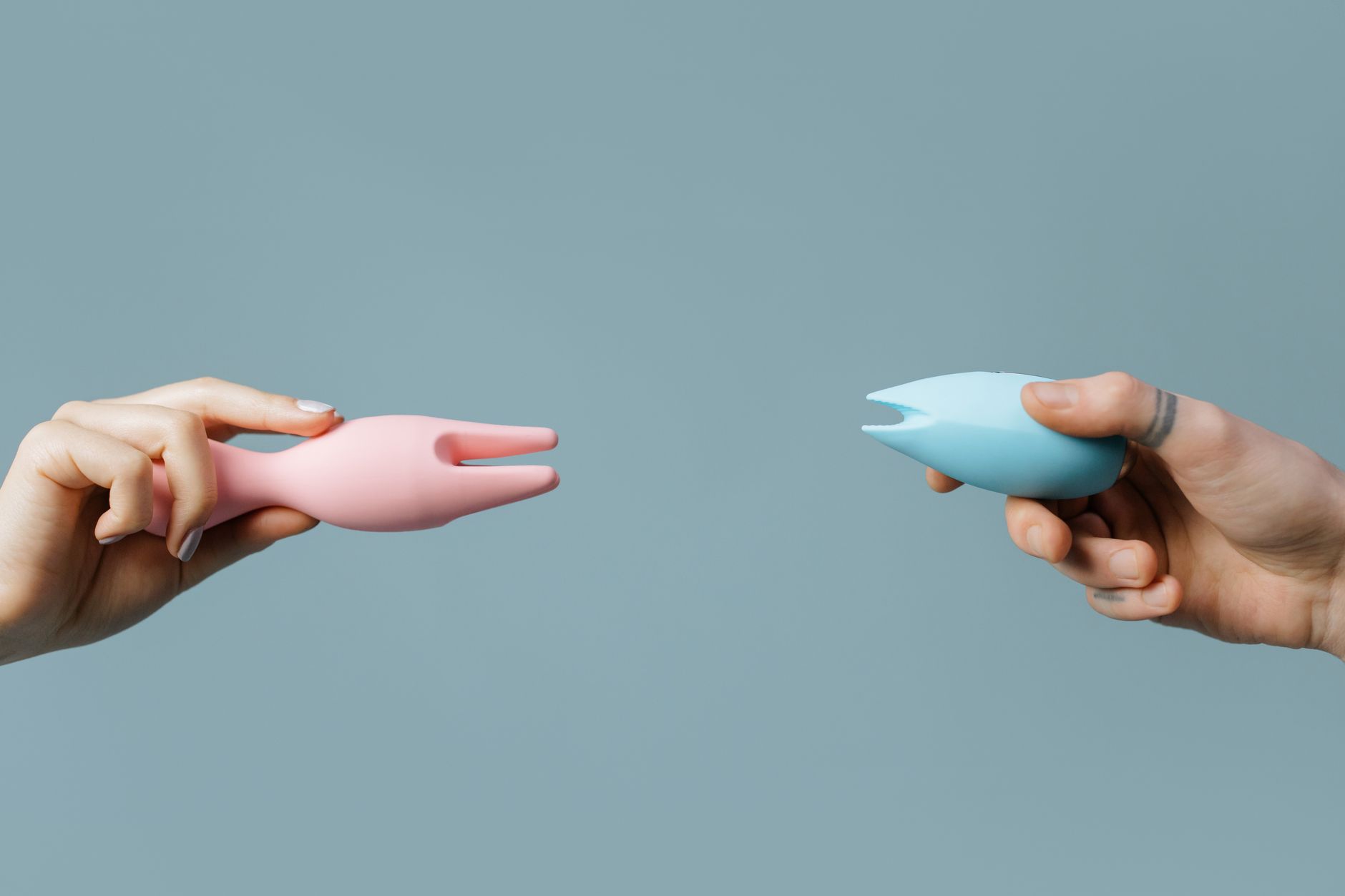
A lemon vibrator, specifically the kind designed as a clitoral suction device, is built for this exact situation. Not because it's a magic fix, but because it works with your postpartum body rather than against it.
Why lemon vibrators work differently for postpartum bodies
Most traditional vibrators rely on direct vibration against sensitive tissue. After pregnancy, especially if you had vaginal tearing, episiotomy, or a surgical birth, direct pressure can feel overwhelming or even painful. Your clitoris may also be slightly less engorged, which means standard vibration just doesn't reach the nerves effectively.
A lemon clitoral vibrator uses gentle suction combined with pulsing waves. This approach doesn't rely on raw friction. Instead, it mimics the sensation of oral sex without any pressure on healing tissue. For postpartum bodies, this is the difference between "that feels like nothing" and "oh, that's actually working."
The suction mechanism is also gentler on compromised pelvic floor muscles. If you had forceps delivery, tearing, or diastasis recti (abdominal separation), you need stimulation that doesn't require your pelvic floor to work harder. A lemon vibrator does the heavy lifting for you.
The timeline matters more than you think
When you can start using any toy postpartum depends entirely on your birth story. If you had a straightforward vaginal birth with minimal tearing and got cleared by your GP at the 6-week mark, you're technically cleared for penetrative sex. But cleared for sex doesn't mean cleared for pleasure.
If you had tearing, an episiotomy, or a caesarean, give yourself at least 8-10 weeks before trying anything, even external stimulation. If you're having pain during healing, wait longer. Pain is information. Don't override it.
Once you're cleared, start with external-only stimulation. No penetration, no pressure inside. A lemon vibrator works perfectly for this because the suction sits entirely on your clitoris. You're not asking your internal tissues to do anything yet.
How to actually use it when you're exhausted
This is the part nobody mentions. You're going to be tired. Bone-tired. The kind of tired where arousal feels theoretical.
Start by not expecting arousal. Seriously. Forget the idea that you need to be "in the mood." You're reclaiming sensation and teaching your body that pleasure is still available to you. That's the goal, not necessarily an earth-shattering orgasm.
Set a timer for 15 minutes. Lock the door. Turn on something that makes you feel like yourself, not something you think you're supposed to like. A podcast, a book chapter, a song that made you feel sexy five years ago. Whatever.
Apply water-based lubricant generously. Postpartum tissue, especially if you're breastfeeding, is drier than before pregnancy. Lube isn't optional. It's essential.
Start on the lowest setting of your lemon vibrator. This is not a moment to jump to intensity 5. Place it gently against your clitoris and let it sit there. You're not trying to chase an orgasm. You're trying to remember what sensation feels like.
Give yourself permission to feel nothing at first. Your nervous system might need several sessions to recognize this as safe, pleasurable stimulation rather than another demand on your body. That's completely normal.
Managing the guilt that shows up
Here's the thing about postpartum pleasure: the guilt arrives first. You feel guilty that you're not available to your partner. You feel guilty that you're thinking about your own pleasure when the baby needs feeding in three hours. You feel guilty that your body doesn't work the way it used to. You feel guilty for taking 15 minutes alone.
This is not a character flaw. This is what happens when your nervous system has been in survival mode for months.
Your pleasure matters because your nervous system matters. When you allow yourself to experience sensation and orgasm, even alone, you're signaling to your body that it's safe to feel good again. You're reminding yourself that you're not just a feeding machine or a caregiver. You're a person who deserves to feel pleasure.
If you have a partner, this conversation is separate from sex with them. You're not cheating. You're not rejecting them. You're rebuilding your own capacity for sensation so that eventually, sex with them becomes possible again instead of just another obligation.
What to expect from your first few sessions
Session one: You might feel nothing. Or tingling. Or a dull pressure. This is fine. Your nervous system is saying hello to pleasure again.
Session two or three: You might start to feel more. Actual arousal. A building sensation. You might orgasm, or you might get close and lose it. Both are completely normal.
Session four through eight: Your body remembers. Orgasms come faster. The sensations deepen. You start looking forward to this time instead of treating it like another task.
Sessions nine onward: You've reclaimed this part of yourself. It's not frantic. It's not desperate. It's just yours.
Some people report that their postpartum orgasms feel different. Smaller, sometimes. More concentrated. Or suddenly incredibly intense after months of numbness. There's no "right" way for your orgasm to feel. Only your way.
When to reach out for support
If you're experiencing pain during or after using a lemon vibrator, pause and get checked. Infection, excessive scar tissue, or incomplete healing can all create pain that needs professional attention, not more vibration.
If you're not feeling any sensation at all after eight weeks of regular sessions, and you're not breastfeeding or on medications that kill libido, a conversation with your GP is worth having. Sometimes postpartum depression or anxiety blocks pleasure signals. Sometimes there's a physical reason.
If you're struggling with the emotional piece around reclaiming your body and sexuality, a therapist who specializes in postpartum experiences can help enormously. Your pleasure doesn't have to feel complicated, but untangling the emotions around motherhood and desire often makes the physical part easier.
The bigger picture
Using a lemon clitoral vibrator after having kids isn't about performing sexuality or proving you're still sexy. It's about rebuilding trust with your own body. About learning that sensation is still available to you. About claiming 15 minutes as yours without apologizing.
Your body grew and birthed a human. It deserves pleasure. You deserve pleasure. Not eventually, not when the kids are older and you have more time. Now. In whatever small, fragmented way you can access it.
Start small. Be patient. Let your body set the pace. A lemon vibrator is designed to work with you, not demand anything from you. That's the whole point.
People also ask
Is it safe to use a lemon vibrator if I'm breastfeeding?
Yes, completely. Breastfeeding doesn't make your clitoris unsafe to stimulate. What breastfeeding does do is drop your estrogen levels, which can make tissue feel drier and less responsive. This is why lubricant and a gentle approach matter so much. If you're concerned about any topical product, water-based lube is completely safe and won't affect your milk supply.
How long does it take for sensation to come back after birth?
Every body is different, but most people start noticing improved sensation within 4-6 weeks of regular gentle stimulation, once they're cleared by their GP. Some people feel noticeable changes within days. Others take months. Your timeline isn't wrong. It's just yours. Consistency matters more than intensity.
Can I use a lemon vibrator if I had a caesarean section?
Absolutely. In fact, a lemon clitoral vibrator can be easier to use after a caesarean because you're not putting any pressure on your incision site. The suction mechanism works entirely on your external clitoris, far away from where your surgical scar is healing. Just wait until your GP clears you for any sexual activity, and start gently.
What if my partner wants to use a lemon vibrator with me?
That's a completely separate conversation. You might start solo, feel confident, and decide you want to incorporate it with a partner. Or you might prefer it as your private reclamation. Both are valid. If your partner is involved, communication is everything. Talk about what you want, what you don't want, and what you need from them (which might be just their presence, or might be that they stay somewhere else while you explore). How to Talk to Your Partner About Using a Lemon Vibrator Together covers this in detail.
Does using a lemon vibrator make it harder for me to orgasm with my partner later?
No. If anything, the opposite is true. When you know your body can still orgasm, when you've rebuilt that neural pathway and remembered what sensation feels like, it becomes easier to access that feeling with a partner. You're not training your body to need a vibrator. You're reminding your body that pleasure is possible. That's information your partner benefits from too.
Will a lemon vibrator feel weird or clinical?
It might at first. It's a silicone device. It's not a person. It won't judge you, ask you to perform, or make you feel like you're not enough. For many postpartum people, that clinical distance is actually the whole point. You're not trying to have hot sex. You're trying to remember that your body is yours and it can feel good. Once you get past the initial weirdness, most people find the sensation deeply pleasurable and nothing clinical about it at all.