
Here's the thing nobody tells you about introducing toys
It's not actually about the toy. It's about what the toy represents. Your partner might worry you're bored. Or that you're comparing them to something. Or that asking means the relationship is broken. None of these things are true, but they're the thoughts running beneath the surface. Once you understand that, the conversation gets easier.
The difference between a conversation that goes well and one that derails comes down to timing, framing, and knowing what questions your partner is actually asking underneath their words.
Why now is the right time
There's a myth that you should introduce toys when things are already great sexually. That's backwards. The best time is when you're feeling connected in other parts of the relationship. Not in the middle of a conflict. Not when you're already negotiating something else like kids, money, or time apart.
If you and your partner are laughing together, you're planning a trip, you're making decisions as a team. That's the window. When the relationship already feels solid, a conversation about pleasure reads as curiosity, not dissatisfaction.
Wait for a moment that feels calm and private. Not in bed. Not immediately before or after sex. A weekend afternoon. A drive somewhere. A moment when you're both relaxed and there's no rush to transition somewhere else.
The setup that actually works
Start by making it about you, not the relationship. "I've been thinking about exploring something that might feel really good for me, and I wanted to talk to you about it" is the opening that doesn't trigger defensiveness.
Avoid: "I think we should try something new." That "we" makes it sound like your partner is failing you somehow.
Better: "I've been curious about this, and I want to bring you into it because I want you there." The distinction is subtle and entirely important.
Then be specific about what you want to try. Name the thing. "I've been reading about clitoral vibrators, and specifically about lemon vibrators. They work differently than wands because they use suction instead of direct vibration. I think it might feel amazing."
That detail matters. It says you've done your homework. It says this isn't a random impulse. It says you're interested in the why, not just the what.
Answering the questions your partner won't ask out loud
After you explain, pause. Don't rush to fill silence. Your partner might need a moment to process. They might have feelings to sort through.
Here's what they're probably wondering:
"Are you not satisfied with me?" Address this directly. "What I love about what we have is X, Y, Z. This isn't about anything being wrong. This is about expanding what feels good for my body. That has nothing to do with you." Then let them feel it. Don't oversell it.
"Are you comparing me to something or someone else?" Say no. Mean it. Then explain: "I'm curious about my own body. I want to discover what works for me. And I want you to be part of that discovery." Inviting them into the exploration rather than excluding them is the key difference.
"Will you still want me?" This one cuts deep for some people, especially if they've internalized the myth that toys replace partners. Honesty here: "Using a vibrator when I'm alone, or with you, doesn't replace what happens between us. It's a different kind of sensation. I want both." Then follow through by showing them. Use the vibrator when they're present. Let them see that it's not a solo thing. Let them participate.
"Are you going to want this all the time now?" Some partners worry toys become a crutch or a requirement. You can say: "I don't know yet. I want to experiment and see what works. But whatever we discover, I want it to be something we do together sometimes, not something that changes what we already have." That's honest and it's reassuring.
What to do if they say no
If your partner isn't ready, that's information. It's not a closed door forever, but it is a boundary right now. Push back gently if you need to. "What would help you feel more comfortable?" might reveal something specific. Maybe they want to research it together. Maybe they want to start with something smaller. Maybe they're just processing.
If it's a hard no, you have some choices. You can explore alone. You can wait and revisit it in six months. You can ask what would need to change for them to consider it. But don't punish them for the boundary, and don't secretly do it anyway.
Setting expectations before the first time
Once you've had the conversation and your partner is on board, set some light ground rules. Nothing rigid, just clarity.
Talk about whether this is something you'll use sometimes during partner sex or if you want to try it solo first. Talk about whether your partner wants to be involved in the selection process. Talk about where it will live. Talk about whether you want to use it every time or once in a while.
These practical details feel unsexy but they're actually the most romantic thing you can do. They say: I respect you enough to make space for your comfort as we do this together.
One thing that helps: let your partner hold it, see it, know what it is before you use it together. Mystery builds anxiety. Familiarity builds comfort.
The first time you use it together
Don't make it a performance. Don't make it the whole point of the night. Use it as part of foreplay, not instead of everything else you do. Let your partner be nearby. Let them touch you somewhere else while you use it. Let them see your face and hear what feels good.
This is where communication during sex becomes actual, moment-to-moment feedback. "That feels good," "Try this angle," "I like it better this way." You're not just using a new toy. You're teaching your partner what you love. You're inviting them deeper into your pleasure.
Why some people find this easier than others
If you grew up in a household where sex was talked about openly, this is straightforward. If you didn't, it might feel awkward. That's normal. You're rerouting a lifetime of learned silence in one conversation. Give yourself grace.
Some partners jump on board immediately. Others need time. Some will be curious about using it on you but feel weird about the fact that it exists. All of these responses are workable if you're patient and keep the conversation open.
When the conversation goes sideways
If your partner gets defensive or shuts down, pause. Don't push harder. Sometimes people need a few hours or a few days to sit with the idea. Sometimes they're worried about something specific that they need to work up to saying.
You might say: "I can see this landed differently than I expected. That's okay. What if we both just sit with this for a bit and we can talk about it again in a few days?" That takes the pressure off. It says you're not rushing them. It says you're patient.
If your partner comes back with "I don't want to use toys," that's different from "I need more time." The first is a boundary. The second is a door that's closed temporarily. Know which one you're hearing.
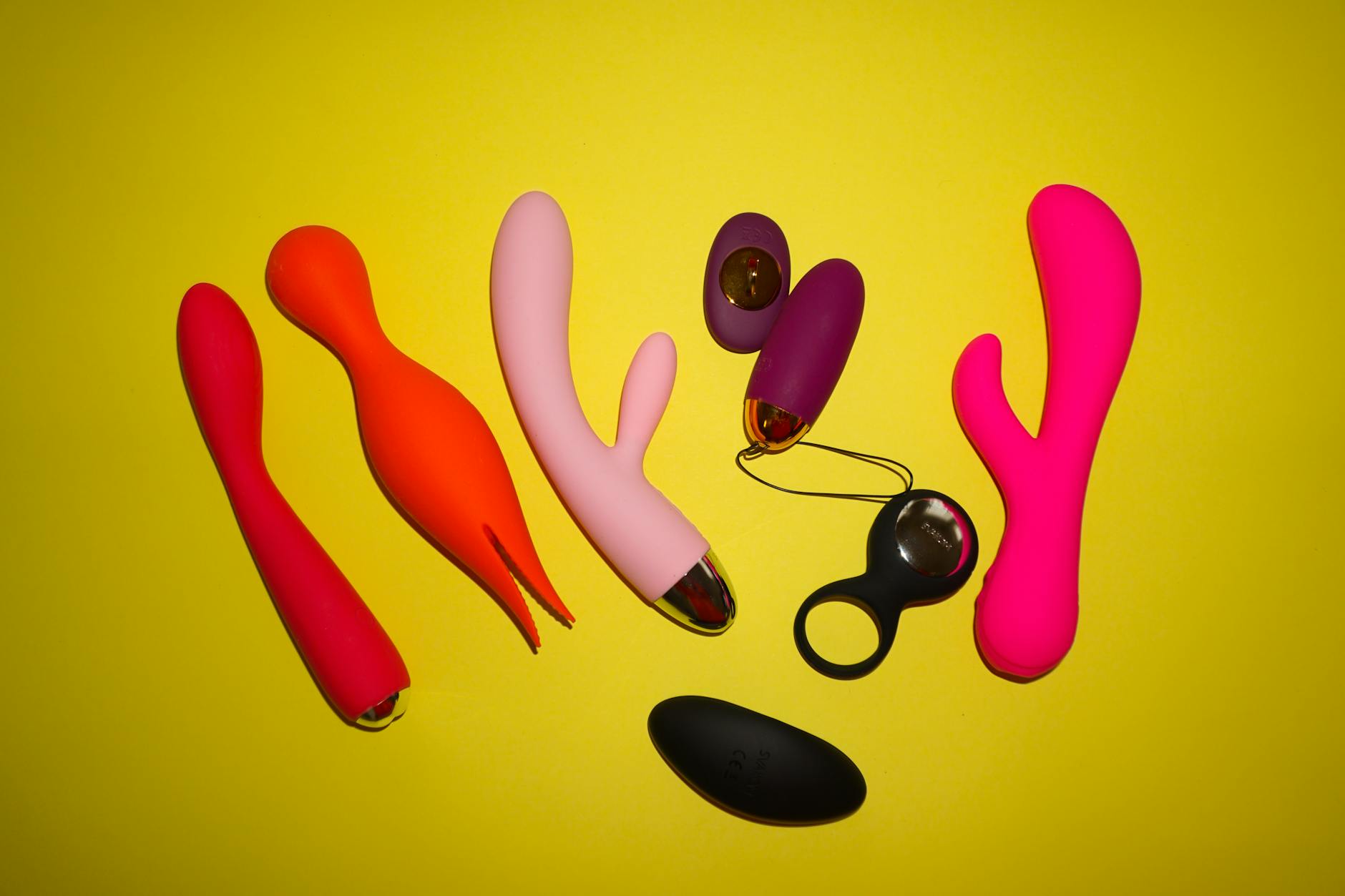
Photo by FounderTips on Pexels
Making it a shared decision, not a decree
The best partnerships around pleasure are ones where both people have agency. Your partner should feel like they chose this too, not like they were convinced into it. That happens when you present it as curiosity and invite them to join the exploration, not when you present it as a conclusion you've already made.
If your partner suggests a different toy, or wants to try it in a different way than you imagined, that's not less than. That's them showing up. That's them making it shared.
After the conversation
Once you've talked about it and hopefully used it together, check in. Not immediately after. Maybe the next day or a few days later. "How did that feel for you?" "Is there anything you want to do differently?" "What did you like?" These questions normalize the toy as just another part of your intimate life.
If it didn't feel good, that's information too. Maybe the timing was wrong. Maybe a different vibrator would feel better. Maybe you want to wait and try again. The conversation doesn't end with the first use. It keeps going.
What changes after you've had this talk
Once you've successfully introduced the idea of using a clitoral vibrator with your partner, something shifts. You've proven that talking about pleasure isn't dangerous. You've shown that bringing something new doesn't threaten what already exists. You've created space for curiosity.
If you're dealing with other blocks around pleasure or sensation, you might find that opening this door makes it easier to explore those too. Whether that's communication around different pleasure needs or working through anxiety during intimate moments, this foundation of honesty becomes the ground everything else stands on.
FAQ
Will my partner feel replaced by a vibrator?
Not if you frame it as an addition, not a replacement. A vibrator does one thing beautifully. Your partner does a hundred things you can't replace. Those are different categories. Using a lemon vibrator during partner sex or inviting your partner to be present while you use one solo actually deepens connection because you're being vulnerable and honest about what your body needs.
What if my partner wants to use the vibrator on me but isn't sure how?
Show them. Put your hand over theirs and guide them to the angle and pressure that feels good. This is one of the hottest things you can do because it's intimate and direct. You're not hidden. You're not performing. You're literally teaching them your body. That's the opposite of removing them from the equation.
Should we talk about using toys before we even have them?
Yes. Absolutely. The conversation should come before the purchase. Otherwise you're asking them to respond to a done deal, which feels exclusionary. Talk first. Then buy together or have them choose which lemon vibrator appeals to them visually if that helps. Shared ownership helps.
What if we have different comfort levels with toys?
That's workable. Maybe your partner isn't interested in using one themselves but is fine with you using one solo or during partnered sex. Maybe they want to be in the room but not directly involved. Maybe they need to build up to using it together. These are all legitimate compromises. The goal isn't to get everyone on the same page. The goal is to respect each other's boundaries while exploring what you both want.
How do I bring this up if we've had awkward sex conversations before?
Start small. You don't have to dive into the deep end. You could say something like "I read something interesting about how different people experience pleasure differently. I'm curious if you ever think about that." Let them respond. Build from there. Small conversations build toward bigger ones more safely than trying to have the whole thing at once.
Is it weird to ask my partner how they'd feel about it before we're even thinking about sex that day?
No. Actually, that's ideal. You're talking about it in a neutral moment, not when arousal is complicating things or when anyone's feeling vulnerable. Neutral conversation space makes room for honesty.
The conversation that changes everything
Introducing a lemon vibrator or any clitoral vibrator to your partnership isn't complicated. It just requires you to be honest about what you want, to make space for your partner's feelings, and to keep talking as you go. The toys themselves are easy. The trust that makes toys feel safe and exciting rather than threatening. That's the thing you're actually building.
If you need support navigating bigger relationship shifts or patterns around pleasure and communication, reach out. Hello Nancy's contact page can help you find resources or connect with someone who can guide you through these conversations more deeply.